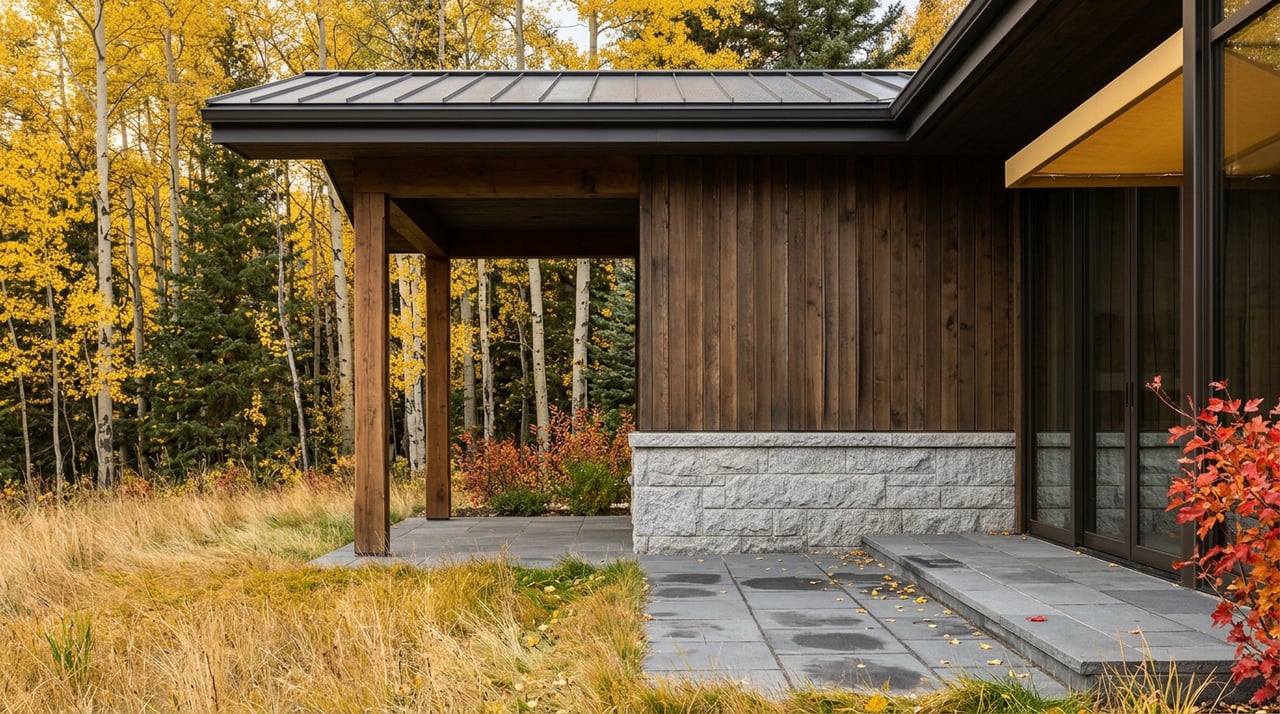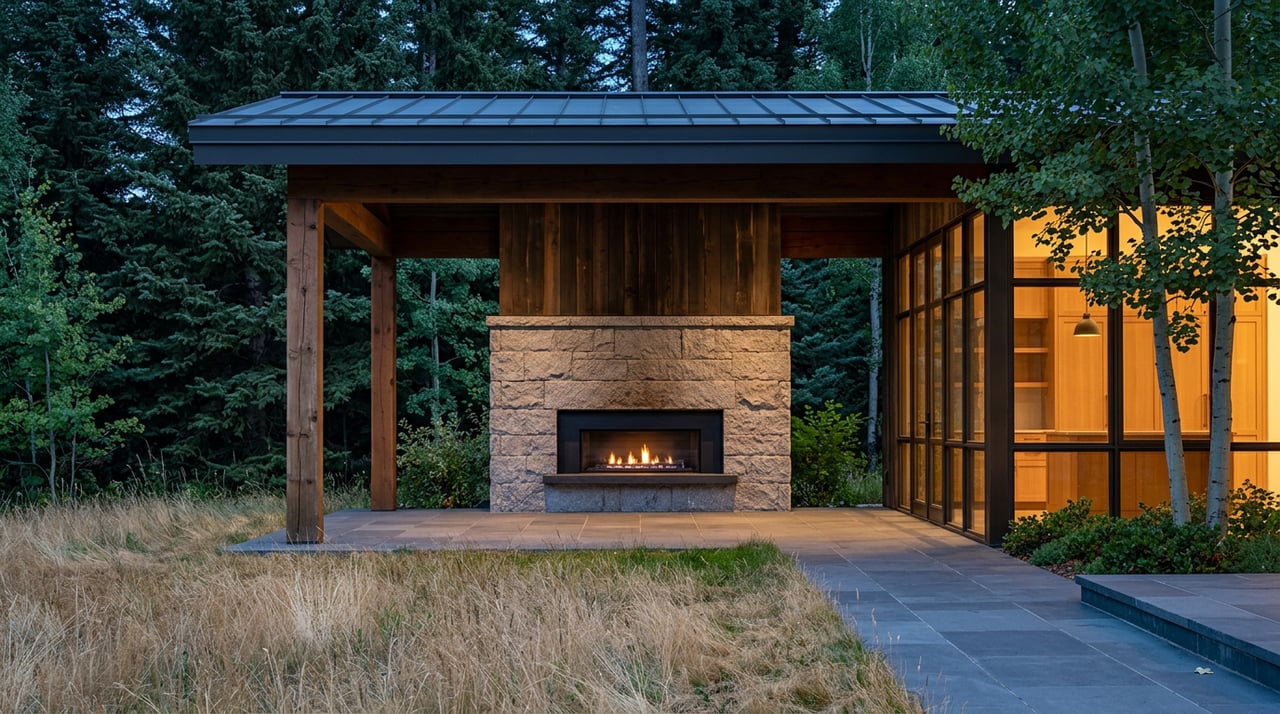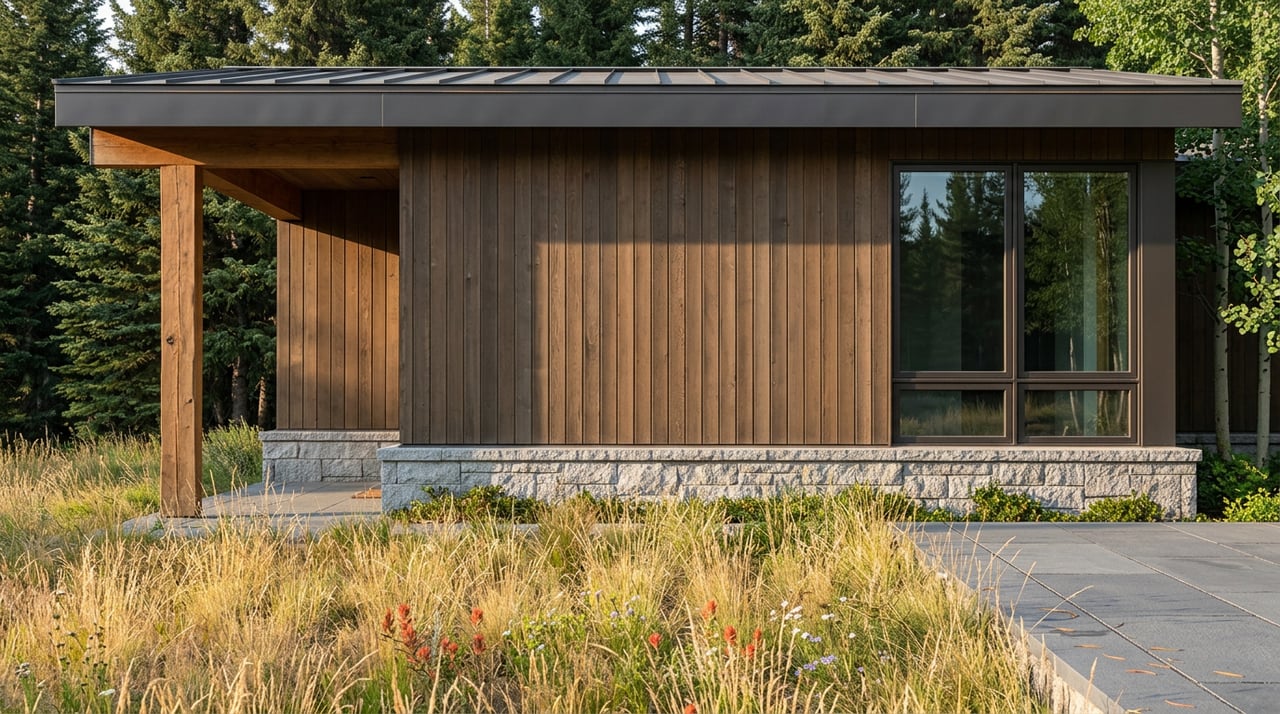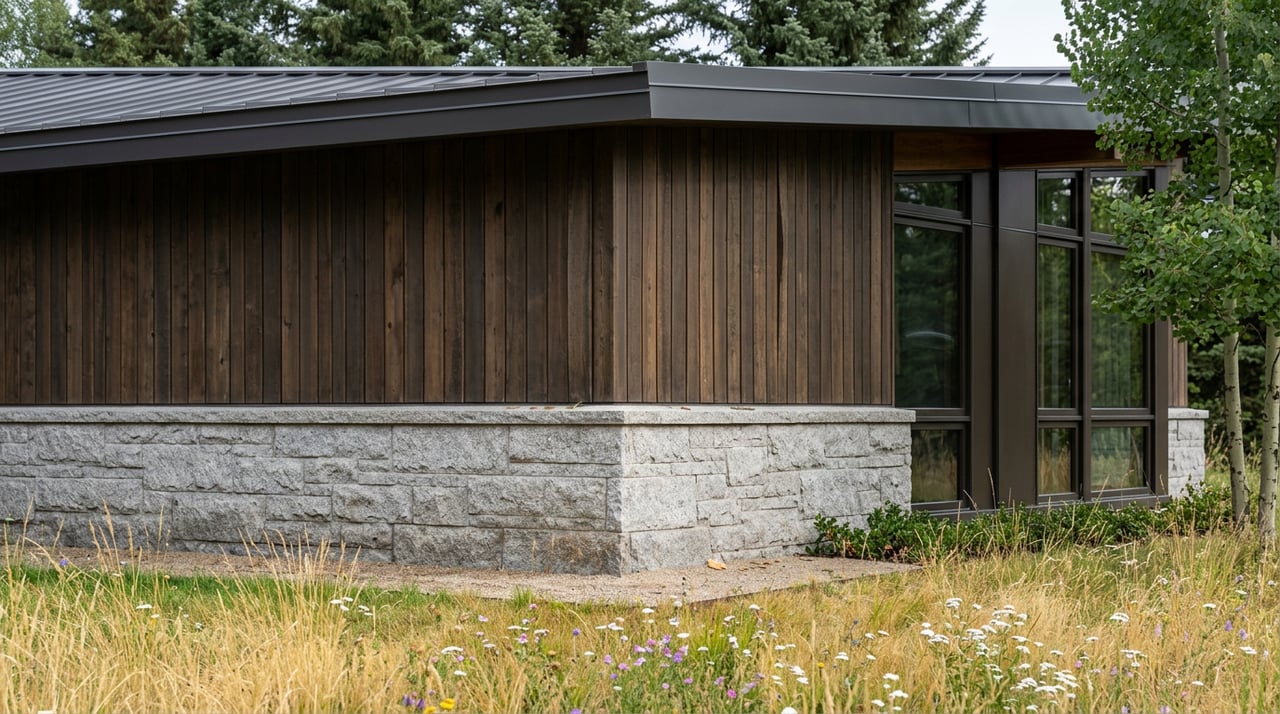
If you are considering a ski-in/ski-out property in The Colony, one question matters more than the label itself: how does access actually work on that specific parcel? That is an important distinction because ski access inside The Colony is shaped by recorded easements, plat designations, physical terrain, and current resort operations. When you understand how those pieces fit together, you can evaluate a homesite with more clarity and confidence. Let’s dive in.
Recorded easements shape ski access
In Utah, an easement is a land interest that gives one owner a limited right to use another owner’s property. When an easement is appurtenant, it runs with the land and is typically created by deed or another recorded conveyance.
Inside The Colony at White Pine Canyon, that legal framework is central to how ski access is planned and preserved. The community is described by the HOA as a ski-in/ski-out residential neighborhood spanning about 4,600 acres, and its design guidelines state that the project was master planned with open-space corridors and development envelopes intended to preserve both the skiing experience and the natural landscape.
The stewardship framework goes further than a general community concept. The master plan is implemented through recorded plat designations and easements, including Perpetual Open Space, Ski Easement, and Lift and Ski Easement. In practical terms, ski access here is not informal or assumed. It is documented.
Some parcels serve ski functions
Not every parcel inside The Colony is a residential homesite. A Summit County memo explains that some parcels are designated for Lift and Ski Easement purposes or as Ski Run parcels.
That matters because those parcels may support lift-related, maintenance, or resort-operational uses rather than homes. The same county memo also states that amenities and structures within the Colony portion of the resort are intended for owners and guests rather than the general public.
For a buyer, this reinforces an important point: the layout of The Colony reflects a larger mountain-access system, not just a collection of private lots. Ski circulation, open space, and residential development were planned together.
Ski-in/ski-out can vary by lot
Two properties can both be described as ski-in/ski-out and still offer very different day-to-day experiences. In The Colony, ski access is delivered through recorded ski easements and private groomed lanes that connect homesites to in-bounds runs and lifts, but the first lift you reach depends on the lot.
That means the phrase “ski-in/ski-out” is only the starting point. The more useful question is which route a homesite uses from the door to the first merged trail and then to the first lift.
A current example shows how specific that can be. One Colony property, 207 White Pine Canyon, is marketed with ski access via Blaise’s Way and Snowonder, with connections to Dreamcatcher, Flat Iron, and Quicksilver Gondola.
More broadly, common lift touchpoints within The Colony area can include Day Break, Dreamcatcher, Dreamscape, Tombstone Express, Iron Mountain Express, and Quicksilver Gondola. Depending on the parcel, your route may connect into the resort in a different way.
Resort connectivity affects convenience
Park City Mountain’s 2025-26 winter trail map lists 7,300 skiable acres and more than 330 trails. The map names nearby lifts including Red Pine Gondola, Quicksilver Gondola, Dreamcatcher, Dreamscape, Day Break, Flat Iron, Iron Mountain Express, Saddleback Express, Sunrise, and Tombstone Express.
For Colony owners, this larger mountain network is part of the appeal. Canyons Village also provides direct access to Orange Bubble Express, which is described as the country’s first bubbled and heated chairlift.
Still, mountain connectivity and parcel-level access are not the same thing. A broad resort map can show what is nearby, but it does not replace the recorded route tied to a specific homesite.
New lifts do not automatically change rights
Lift projects can improve convenience across the resort, but they do not automatically rewrite recorded easement rights. That distinction is especially important for buyers comparing access today with what may be possible in future seasons.
A current example is the Sunrise Gondola Project. Park City Mountain says the Sunrise chairlift was replaced with a 10-passenger gondola for the 2025/26 winter season to improve circulation from Canyons Village to the Red Pine area, reduce wind-related holds, and create a third lift option alongside Red Pine Gondola and Orange Bubble Express.
That kind of resort investment can improve how you move through the mountain once you are connected. However, Utah’s Property Rights Ombudsman explains that the scope of an easement is usually fixed when it is created, and easements can generally be changed or relocated only by agreement or through limited statutory or court processes.
So while resort engineering can change convenience, it does not necessarily change the legal route attached to a parcel. The result is a simple but important takeaway: better resort circulation does not mean your homesite’s access rights have been expanded.
What to verify before you buy
If you are evaluating a homesite inside The Colony, the cleanest approach is to verify access in layers. Start with the recorded documents, then match them to the terrain and current resort operations.
Review the recorded plat first
The recorded plat and HOA documents should be your first stop. They help show whether a ski easement, lift easement, open-space designation, or ski-run relationship affects the parcel you are considering.
This matters because access can be clarified or updated through formal processes. Summit County minutes from a 2020 amendment for Lot 71 show a real example where the county found that an existing ski run had been improved after the lot was platted, and the amendment added ski easements over areas that were already being skied.
That example underscores the larger point. In The Colony, ski access is documented through recorded instruments and approvals, not based on assumption.
Confirm the actual route
Once the documents are clear, look at the physical route from the residence or building envelope to the first merged trail. This is where a property’s real ski convenience becomes easier to understand.
Ask practical questions such as:
- Which private groomed lane serves the homesite?
- Where does that lane merge into an in-bounds trail?
- Which lift do you realistically reach first?
- Could the route feel different depending on grooming conditions?
Because lot locations vary, the answers can differ meaningfully from one estate to the next.
Use current resort tools
Static marketing language is not enough when you want to understand present-day ski flow. Park City Mountain’s current trail map and lift-status tools are the best reference for named trails, lift operations, and seasonal changes.
That matters because a route that is excellent on paper may feel different depending on the day’s grooming choices or lift operations. Current mountain conditions can shape convenience, even when the underlying easement rights stay the same.
Consider construction restrictions
The Colony’s HOA guidelines also connect ski access with development activity. According to the guidelines, ski trails are closed to all construction activity, and from November 1 through June 1 there is no access for construction or adjacent excavation that would affect the ski trail unless written approval is granted.
For buyers planning a custom build, this is an important detail. It means ski-trail management and construction logistics are coordinated together, which can affect timelines and site planning.
A better way to compare homesites
When you compare Colony properties, it helps to move beyond the basic question of whether a home is ski-in/ski-out. A more useful comparison looks at the recorded route, the likely first lift, the physical terrain, and whether any resort project or plat amendment could affect the practical path.
That approach gives you a clearer picture of day-to-day use. It also aligns with how ownership works in a community where open space, ski corridors, and homesites were master planned together.
For many buyers, this level of detail is where confidence comes from. Ski access inside The Colony is one of its defining features, but the best understanding comes from pairing the legal framework with on-the-ground knowledge of the mountain.
If you want help evaluating a specific homesite, the on-site team at The Colony at WPC can help you understand recorded access, parcel-level routing, and how a property fits into the broader mountain plan.
FAQs
How do ski easements work inside The Colony at White Pine Canyon?
- Ski easements in The Colony are recorded land-use rights that help define how certain parcels connect to ski corridors, trails, or lift-related areas, and those rights are part of the community’s larger master-planned framework.
What does ski-in/ski-out mean for a specific Colony homesite?
- For a specific Colony parcel, ski-in/ski-out typically means the homesite connects through recorded ski easements and private groomed lanes to in-bounds runs and lifts, but the exact route and first lift can vary by lot.
Can a new Park City Mountain lift change a Colony property’s ski easement?
- Not automatically. A new lift may improve overall mountain circulation, but the scope of a recorded easement is usually fixed when created and generally changes only through agreement or a formal legal process.
What should you verify about lift access before buying in The Colony?
- You should review the recorded plat and HOA documents, confirm the physical route from the homesite to the merged trail, identify the likely first lift, and compare that information with current resort trail maps and lift operations.
Are all parcels inside The Colony buildable homesites?
- No. Some parcels within The Colony are designated for Lift and Ski Easement purposes or as Ski Run parcels, which means they may support resort-related or maintenance uses instead of residential development.
Do construction rules affect ski access inside The Colony?
- Yes. The HOA guidelines state that ski trails are closed to construction activity, and from November 1 through June 1 construction or adjacent excavation affecting a ski trail requires written approval.