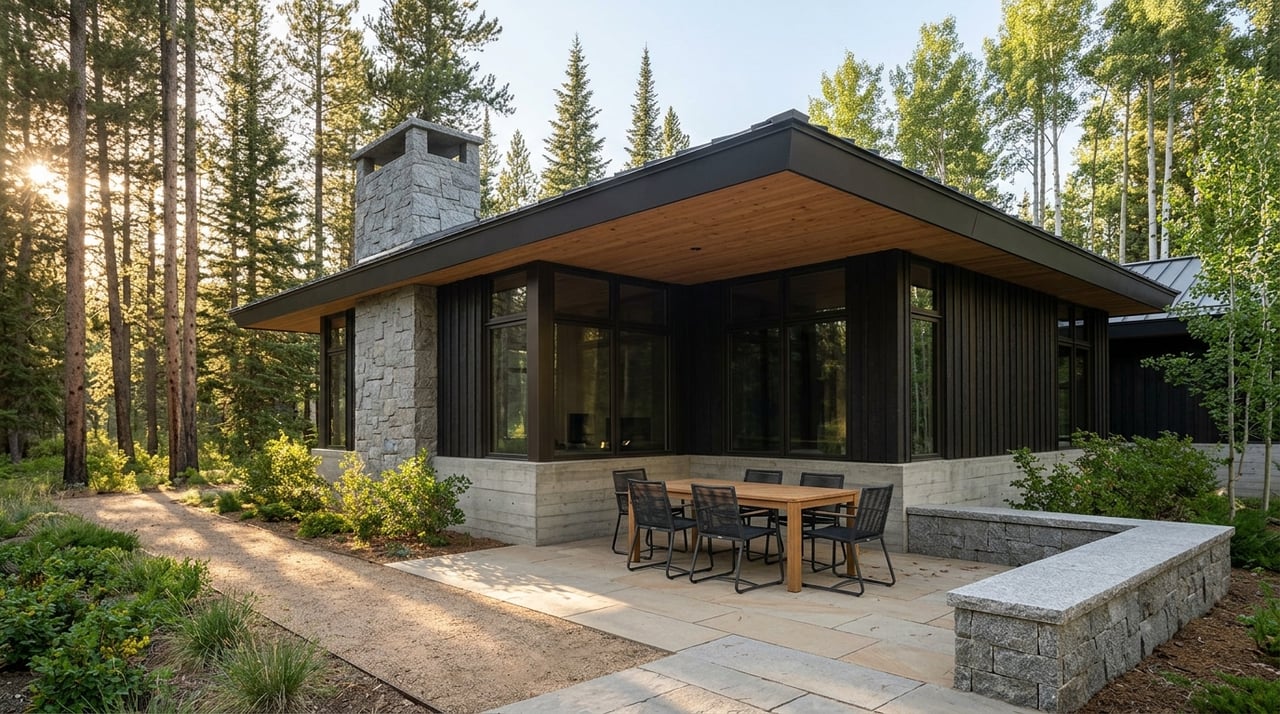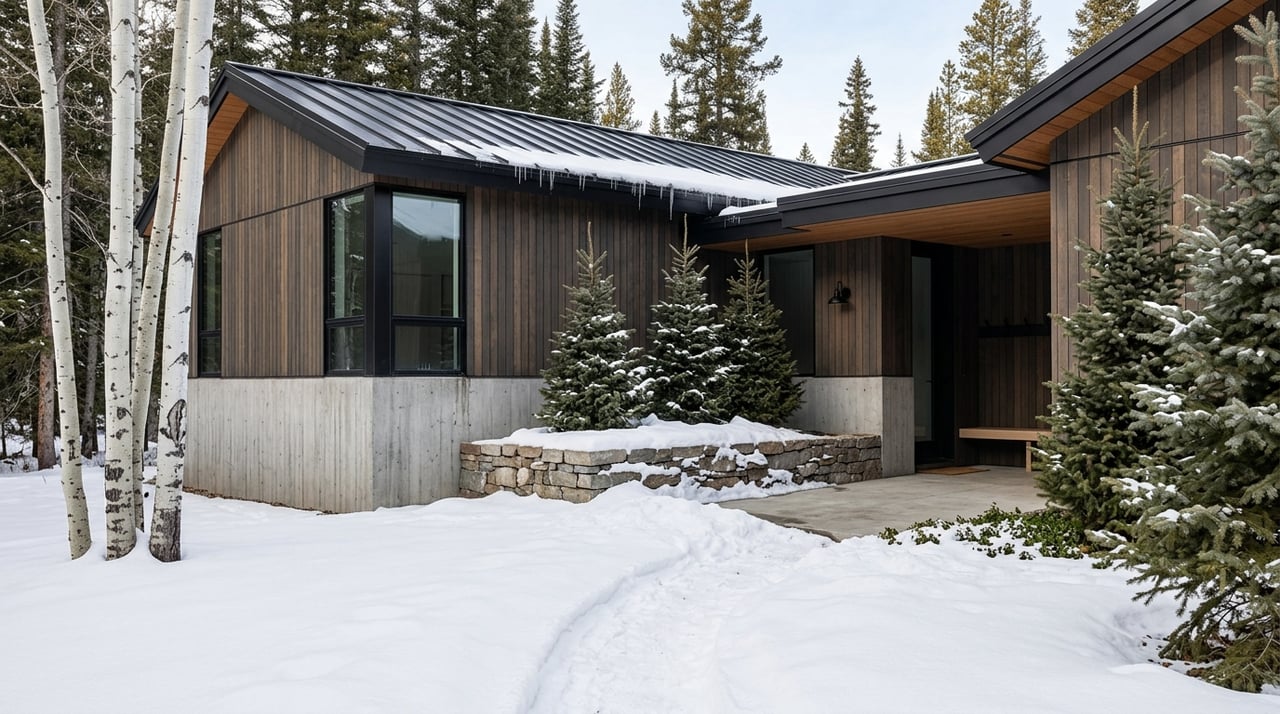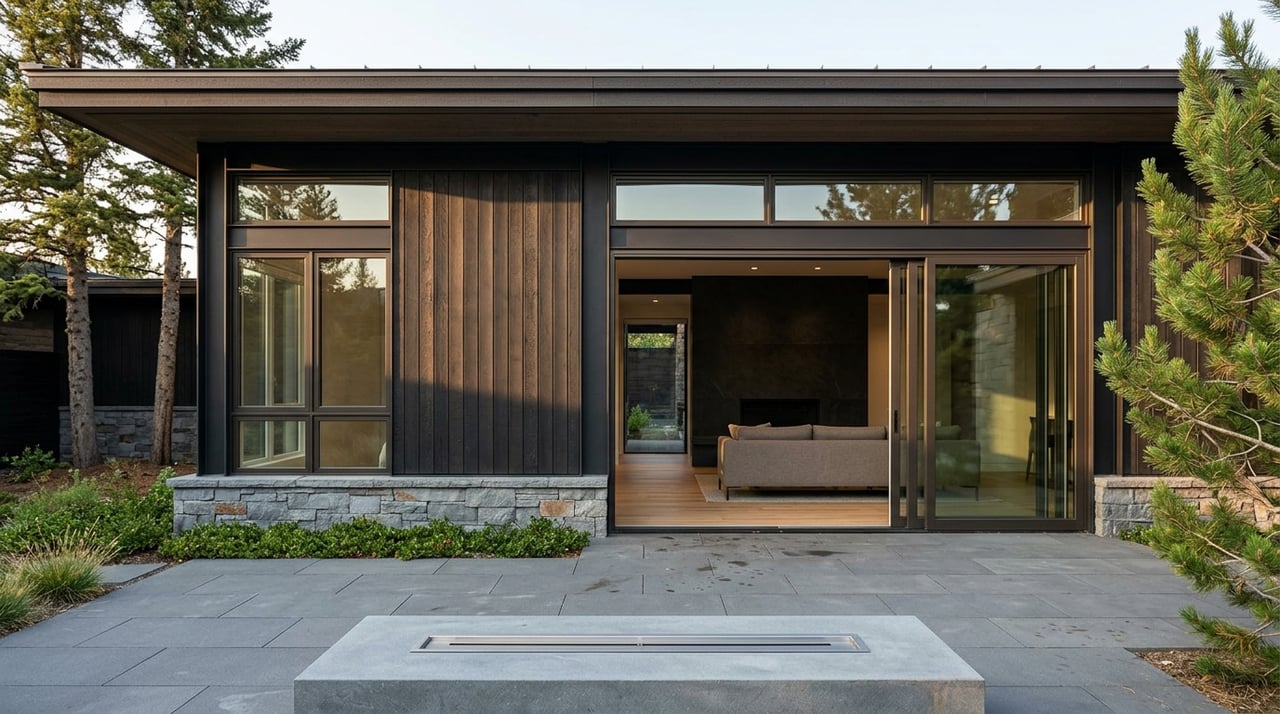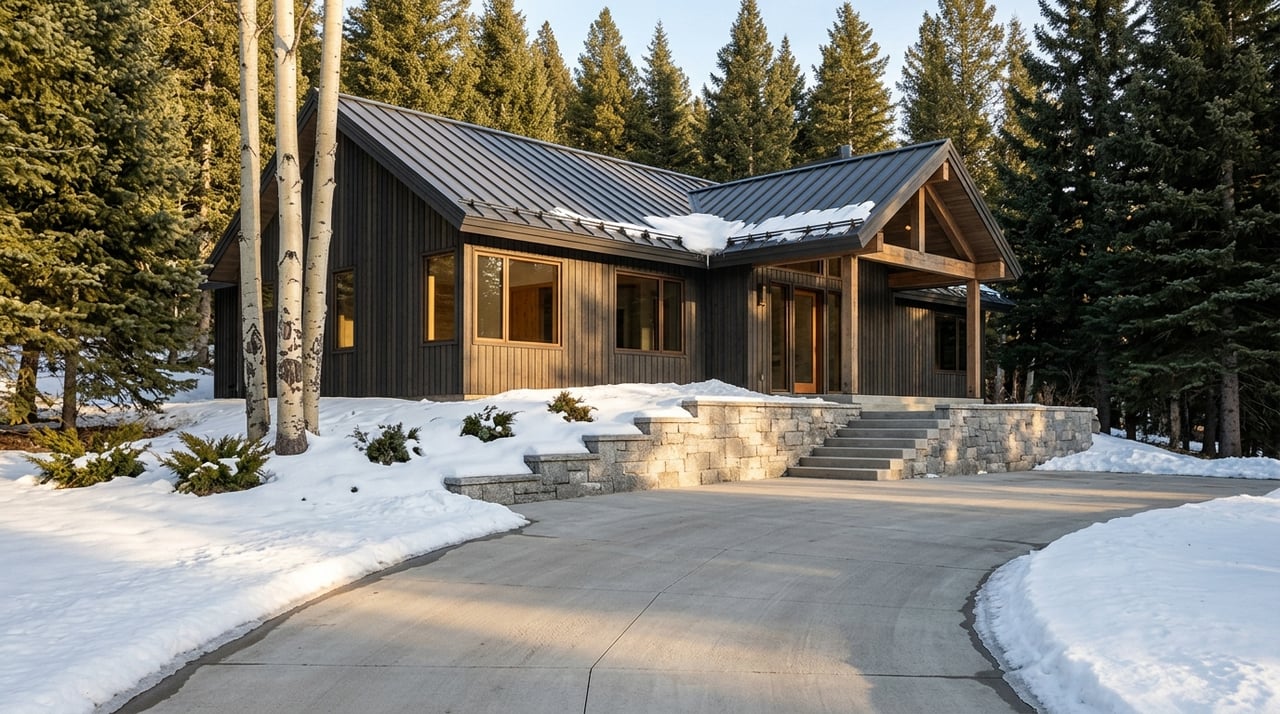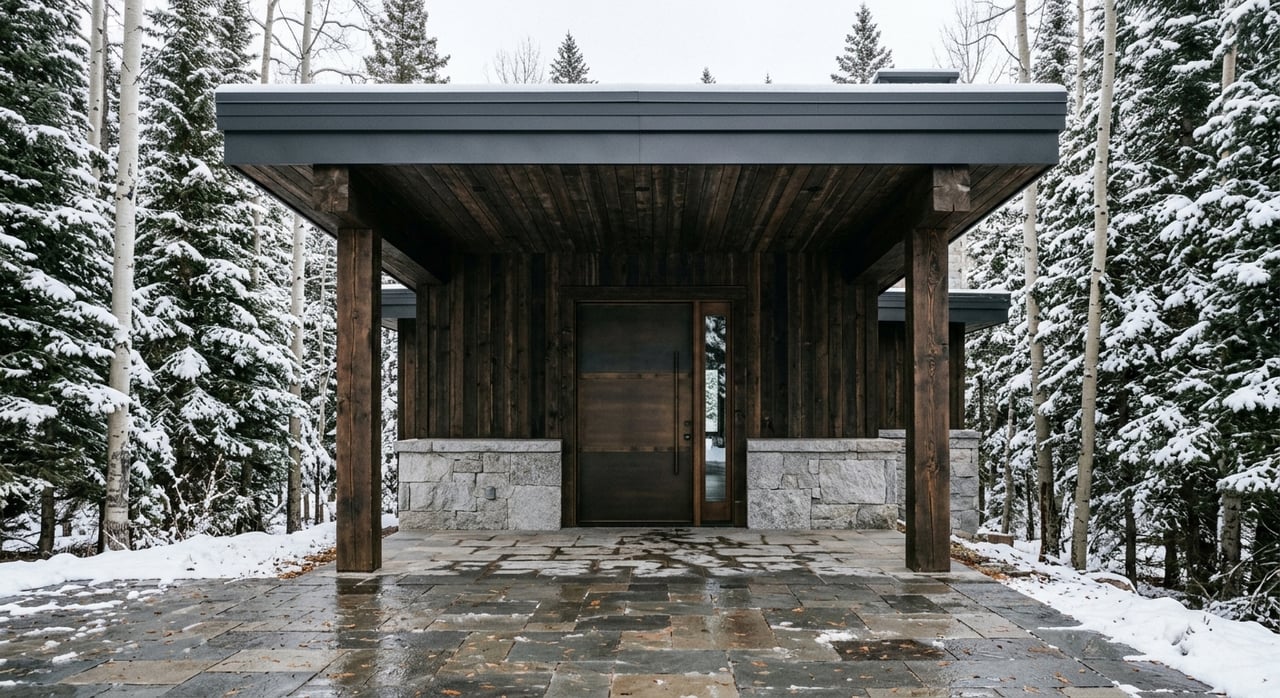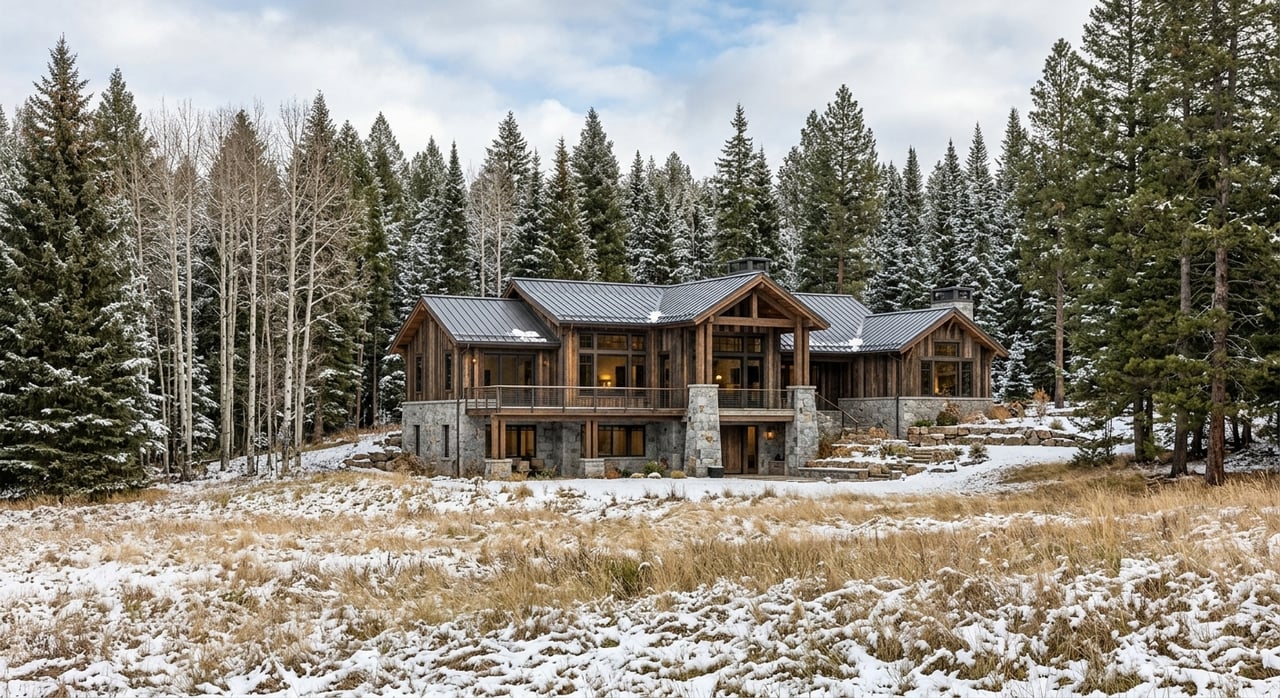
Buying in The Colony is not a typical home search. You may be comparing a finished ski-in/ski-out estate with a homesite that carries years of long-term potential, each with very different questions to answer before you commit. This guide walks you through what to expect from your first tour to closing in The Colony at White Pine Canyon, so you can move forward with more clarity and confidence. Let’s dive in.
Start With The Right Tour
The Colony at White Pine Canyon is a gated community in White Pine Canyon with more than 4,600 acres, 286 homesites, and roughly 90% preserved as open space. The current community materials also note an average lot size of about seven acres. That scale shapes the buying process from the start because you are often evaluating not just a residence, but also privacy, access, land use, and long-term fit.
Inventory may include both finished homes and homesites, so your first conversations should reflect what you are actually considering. A turnkey purchase usually centers on layout, finishes, condition, and timing. A homesite purchase adds another layer, including what can be built, how the site is accessed, and what approvals may be required later.
What To Share Before Touring
A productive first tour usually starts with a clear conversation about your goals. The on-site sales office can help you narrow the tour around the details that matter most to you.
Helpful topics to discuss before you arrive include:
- Whether you want a finished home or a homesite
- Your preferred acreage and setting
- Ski access priorities
- Your expected timeline
- Whether you plan to bring an outside broker or other advisors
- Whether you are exploring a custom build path
The Colony Sales Office is located on-site at 2455 White Pine Canyon Road in Park City. That on-site presence matters because it gives you access to a team that works within the community every day and can help coordinate the process from first consultation through closing and beyond.
Understand What You Are Really Buying
In The Colony, a property decision can also be a land-use decision. Community guidance says each homesite can support a main house, a guest house, and a third auxiliary building, but some lots have added restrictions tied to topography, height, tree removal, view sensitivity, and permitting. That means two properties with similar acreage may offer very different build paths.
For many buyers, this is where a private tour becomes especially valuable. Walking the site helps you look past surface appeal and focus on practical questions like building envelope, driveway corridor, ski access, and how the terrain may shape design options.
Homesite Questions That Matter Early
If you are considering land, ask lot-specific questions before design assumptions take hold. The most important answers often affect timing, budget, and what is realistically possible.
Focus on items like:
- The development envelope
- Driveway access and corridor placement
- Topography and lot geometry
- Whether additional permits may be required
- Whether approved plans exist and whether they transfer
- Any site-specific review or design limitations
The Colony’s build guidance also notes that approved plans do not automatically transfer with a lot without written permission from both the seller and the architect. That is an important point if you are weighing a parcel that appears to come with a head start.
Know How The Offer Process Works In Utah
Once you identify the right property, the next stage typically moves into contract, disclosures, and due diligence. In Utah, the standard Real Estate Purchase Contract, often called the REPC, sets the framework for many of these steps. It is built to work with outside brokers, lenders, title professionals, and other advisors you may choose to involve.
That flexibility is helpful in The Colony, where buyers often bring a broader advisory team. The contract also includes fields for agency disclosure and buyer brokerage, which means the process can accommodate outside representation rather than replace it.
What Your Contract May Cover
The purchase contract can include more than price and closing date. Depending on the transaction, it may also address earnest money, due diligence timing, appraisal conditions, financing terms, and possession.
In general, buyers should expect to review:
- Seller disclosures
- Property condition information
- Title commitment
- CC&Rs and community rules
- HOA minutes, budget, and financial statements
- Lease or rental documents, if applicable
- Management agreements, if applicable
- Water rights or shares, if applicable
- Known environmental or zoning issues
This review starts early and can affect both your pricing strategy and your closing timeline. In a community like The Colony, document review is not a side task. It is part of understanding the full ownership picture.
Use Due Diligence To Reduce Surprises
Utah’s standard contract gives buyers a formal due diligence period to inspect the property and review disclosures. If the results are not acceptable, the contract allows the buyer to cancel by the deadline and receive earnest money back, or to resolve objections with the seller in writing. That makes the due diligence window one of the most important phases of the transaction.
For a finished home, this phase often centers on condition, title, and community documents. For a homesite, due diligence usually expands to include build feasibility, review timing, access, and whether the lot aligns with your design goals.
HOA Documents Deserve Early Attention
Because The Colony is an HOA-controlled mountain community, the governing documents are central to your review. Utah guidance says buyers should request these documents early because the association can have up to 14 days to respond to the seller’s request.
Your review may include:
- Recorded governing documents
- CC&Rs and rules
- Fee schedules
- Recent meeting minutes
- Budget and financial statements
- Reserve analysis
- Rental restrictions
- Transfer or reinvestment fees
- Information about common-area condition and maintenance
These details matter because they shape how ownership works day to day. In a large mountain community, shared-road maintenance, community rules, and long-term stewardship can influence your experience almost as much as the private parcel itself.
For Homesites, Review SARC Early
If you are buying a homesite, one of the most important Colony-specific considerations is the SARC review process. Community guidance describes a three-step review path that includes pre-planning, conceptual review, and final plan review. It also notes that HOA review is separate from Summit County review.
That distinction matters for timing. The Colony advises buyers to expect at least a 12-week full review process, and some lots may require additional approvals or low-impact permits.
Why Pre-Planning Matters
Pre-planning should happen after you select your design team and before conceptual plans are drawn. For many buyers, that means early coordination with an architect and, in some cases, a builder or land-use advisor is important.
The community also notes that prospective buyers may seek non-binding pre-purchase input from SARC before committing to a homesite. If you are weighing a custom build, that early feedback can help you assess fit before moving too far down the path.
Prepare For Title, Escrow, And Settlement
As closing approaches, the process becomes more document-driven and logistics-focused. In Utah, escrow is the holding of funds for a real estate purchase, and title insurance protects against pre-existing ownership defects. Utah also requires title agents and escrow officers to be licensed.
You may choose any title agency unless a separate contractual arrangement says otherwise. That gives you room to coordinate with the providers and advisors who best fit your transaction.
What Happens At Closing
Under Utah’s standard contract, settlement occurs when the required funds and documents have been delivered. Closing is not complete until the transaction is recorded with the county recorder, and the form contemplates recording within four calendar days after settlement.
Possession is generally delivered upon recording unless the parties agree to a different arrangement. The contract also states that property taxes, HOA dues, rents, and similar prorations are handled as of the settlement deadline unless the parties agree otherwise, and utilities shift to the buyer after that deadline.
Expect A More Guided Handoff
The final steps in The Colony are about more than signatures. Whether you are taking ownership of a completed estate or beginning the next chapter with a homesite, the handoff often includes practical questions about documents, access, community coordination, and next steps.
That is where an on-site, community-specific resource can make the experience feel more connected. The Colony’s sales team positions itself as a continuity resource from first consultation through long after closing, helping buyers navigate tours, offer coordination, and post-closing questions with a steady, local point of contact.
If you are beginning your search or refining a short list, a private tour can help you compare homes, homesites, and long-term possibilities with better context. To start that conversation, connect with The Colony at WPC.
FAQs
What should you ask before touring property in The Colony?
- Share whether you are looking for a finished home or a homesite, your acreage and ski-access preferences, your timeline, and whether you plan to bring an outside broker or other advisors.
What makes buying a homesite in The Colony different from buying a finished home?
- A homesite purchase usually requires added review of the building envelope, driveway corridor, topography, design limits, possible permit needs, and the SARC review path.
What documents should buyers review during due diligence in The Colony?
- Buyers should review seller disclosures, title information, CC&Rs, HOA rules, meeting minutes, budget and financial statements, fee schedules, and any property-specific items such as leases, management agreements, or water rights if applicable.
How long can HOA document delivery take in Utah?
- Utah guidance says buyers should request HOA documents early because the association may have up to 14 days to respond to the seller’s request.
What is the SARC process for homesites in The Colony?
- Community guidance describes a three-step process that includes pre-planning, conceptual review, and final plan review, and the full review process should be expected to take at least 12 weeks.
When is a real estate closing complete in Utah?
- Under Utah’s standard purchase contract, closing is not complete until the transaction is recorded with the county recorder, even after settlement documents and funds have been delivered.