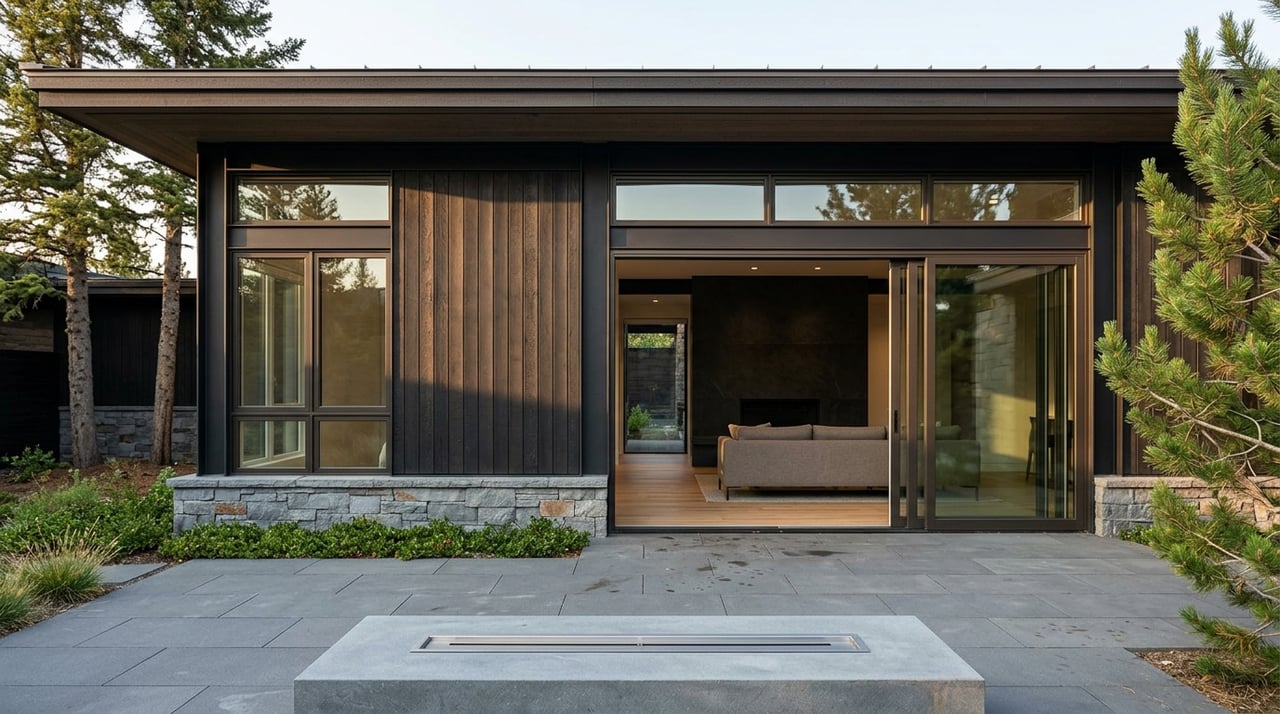
What makes a mountain home feel timeless instead of trendy? In The Colony at White Pine Canyon, the answer is not one signature look, but a carefully shaped architectural language rooted in the land. If you are exploring a homesite, planning a custom build, or simply trying to understand what sets this community apart, this guide will walk you through the design principles that define The Colony’s distinct mountain modern character. Let’s dive in.
Mountain Modern at The Colony
The Colony’s architecture is best understood as a spectrum rather than a single style. On one end, you will find legacy alpine lodge and family-estate forms. On the other, you will see lighter mountain modern and mountain contemporary homes.
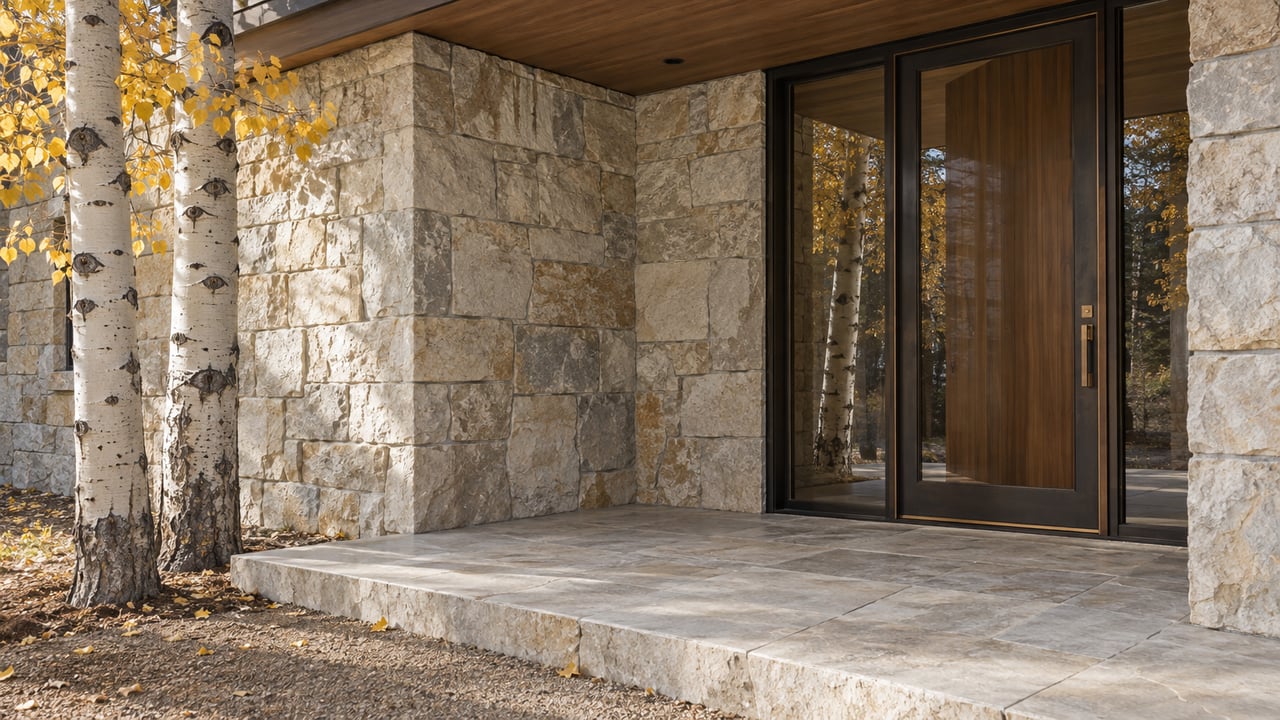
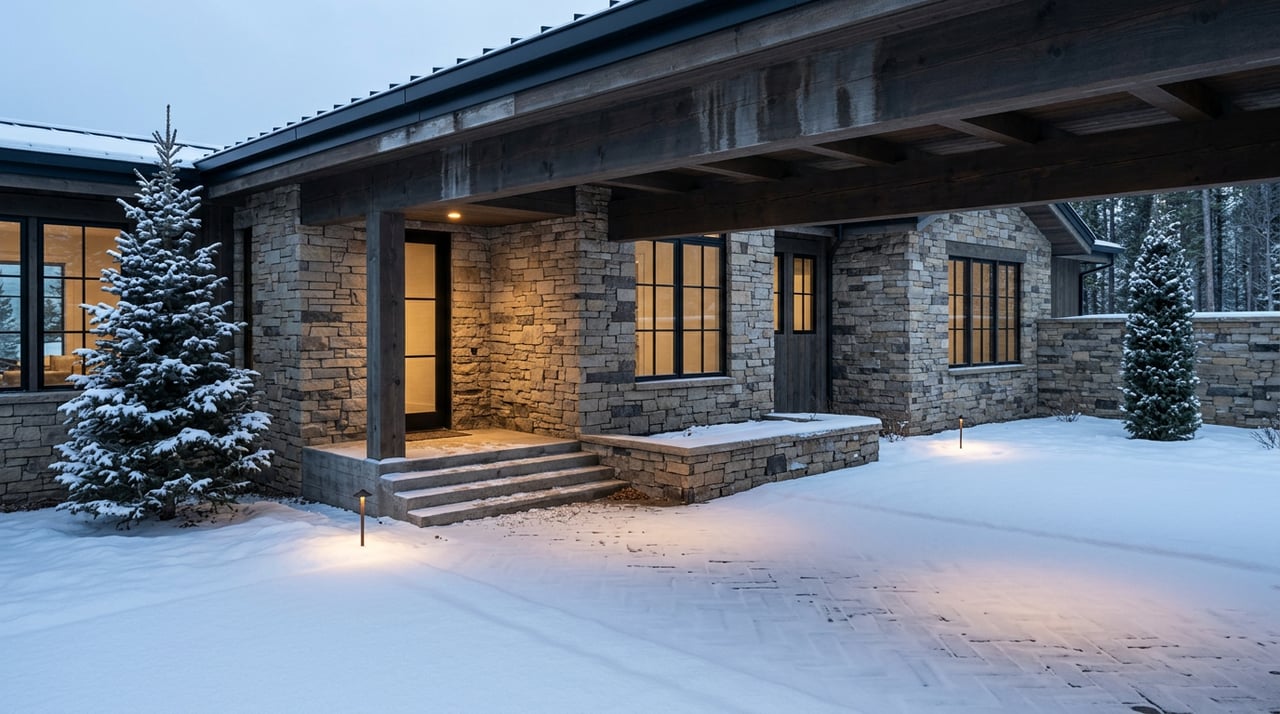
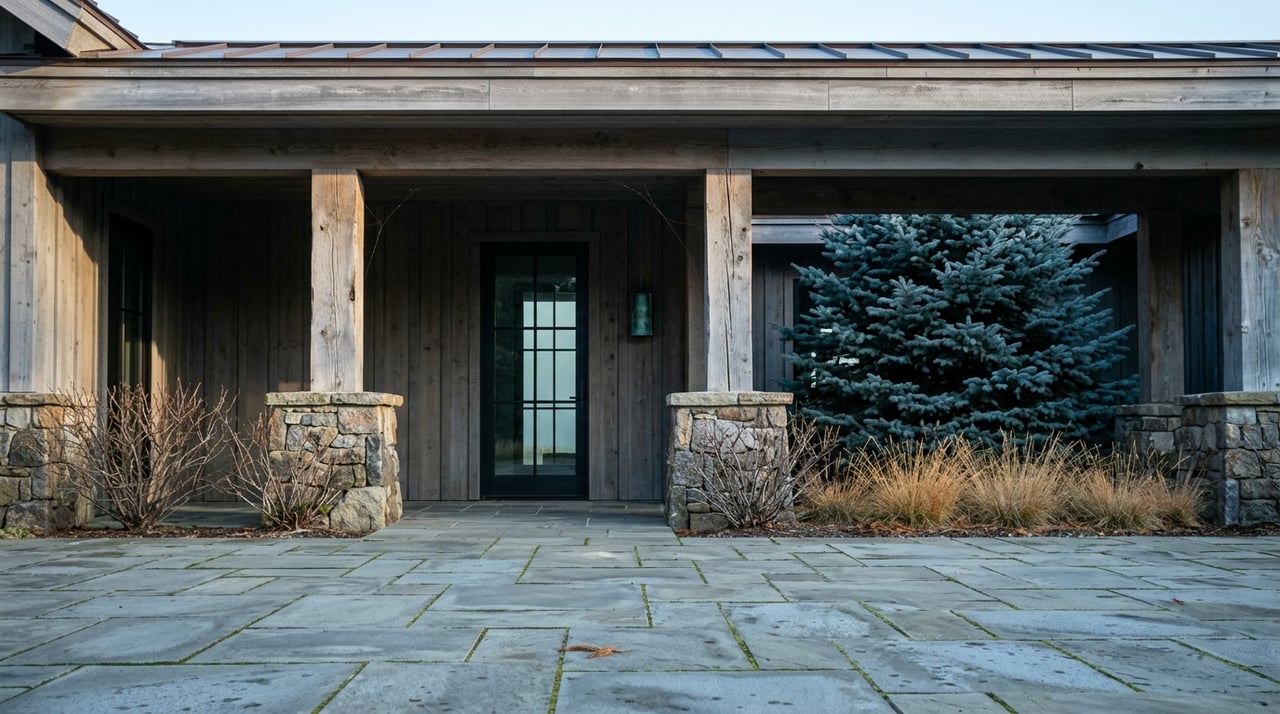
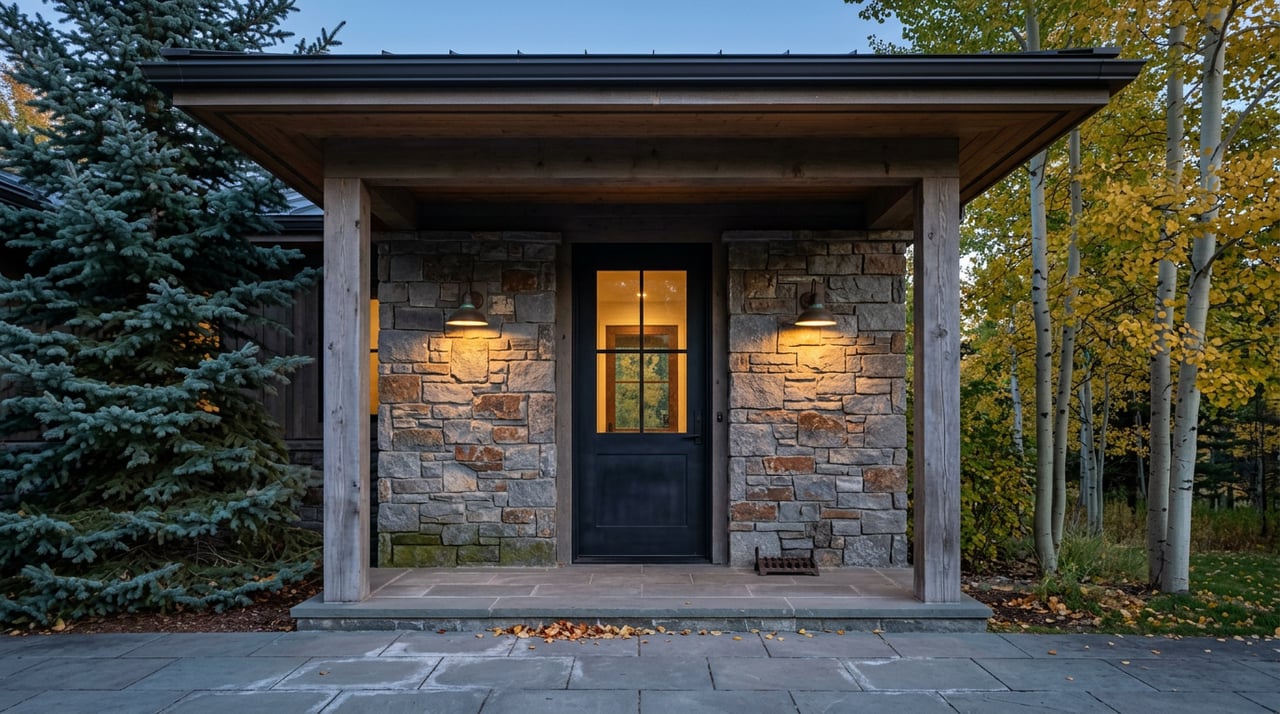
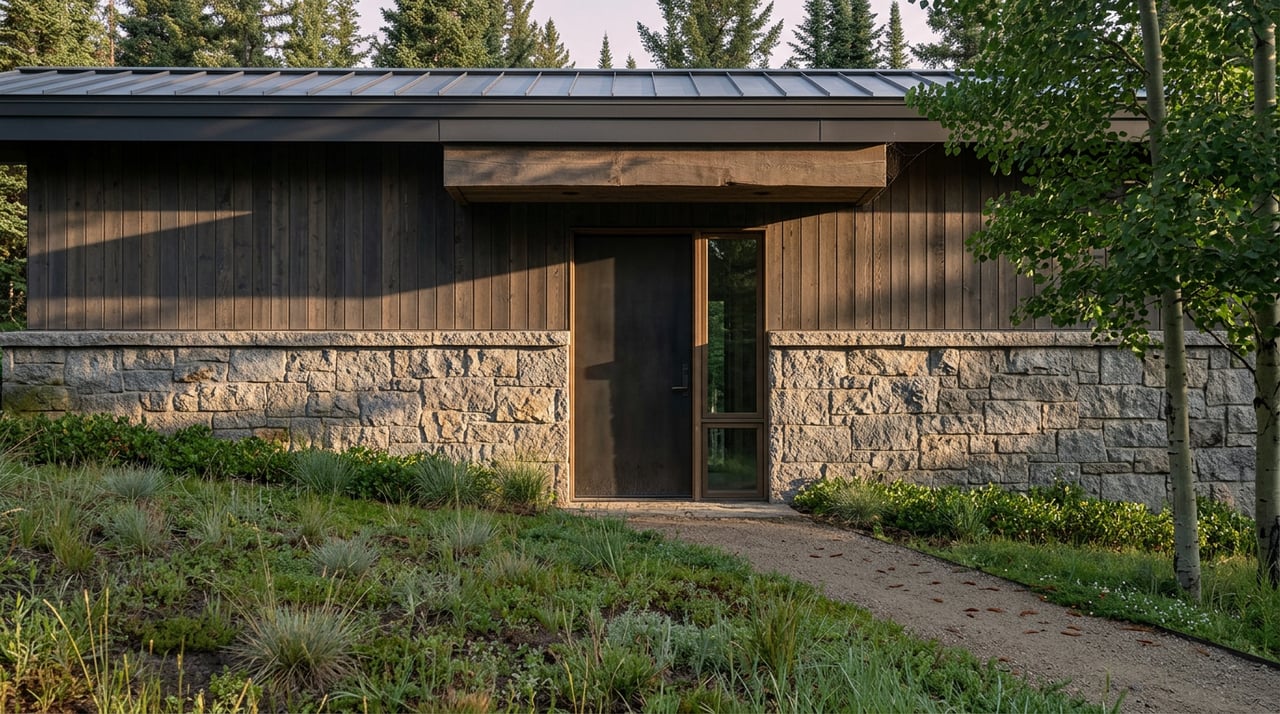
What ties these homes together is a shared design framework. Across the community, the emphasis stays on natural materials, dark non-reflective roofs, recessed openings, terrain-responsive massing, and strong connections between indoor and outdoor living.
That is why mountain modern here does not read like a generic glass box dropped into the mountains. Instead, it feels warm, grounded, and responsive to the forested ski setting.
Why The Colony Feels Cohesive
The Colony at White Pine Canyon is a gated ski-in, ski-out mountain community spanning roughly 4,600 acres. Community materials describe about 90% of the land as preserved open space, which plays a major role in how the built environment is experienced.
The result is a community with a very limited number of large homesites rather than a dense pattern of homes. That lower-intensity layout helps architecture feel more private, more site-specific, and more connected to the surrounding terrain.
Design consistency is not left to chance. New construction and site changes are reviewed by the community’s SARC as well as Summit County, and the design guidelines are treated as recorded restrictions rather than casual suggestions.
Design Starts With the Site
One of the most important ideas in The Colony is that design is envelope-driven. In simple terms, the homesite and approved building area do a great deal to shape what can be built, where it can sit, and how outdoor improvements fit into the property.
Unlike many communities, the main house size is not defined by a stated minimum or maximum square footage cap in the public guidance. Instead, the final outcome is shaped more by the site, the development envelope, total site coverage rules, and the review process.
This approach encourages homes that respond to their setting instead of forcing every property into the same formula. It also supports the sense that each residence belongs to its specific hillside, meadow edge, or forest backdrop.
The Two Main Architectural Expressions
Legacy Alpine Lodge
Some of The Colony’s most iconic homes lean into the warmth and permanence of classic alpine design. These residences often read as family-estate properties, with a sense of scale, tradition, and long-term stewardship.
A strong example is the style described at 125 White Pine Canyon Road, also known as Dream Catcher Lodge. It is presented as blending timeless mountain elegance with the warmth of a legacy estate, while also embracing ski-oriented features and outdoor living tied to views and terrain.
Mountain Modern and Contemporary
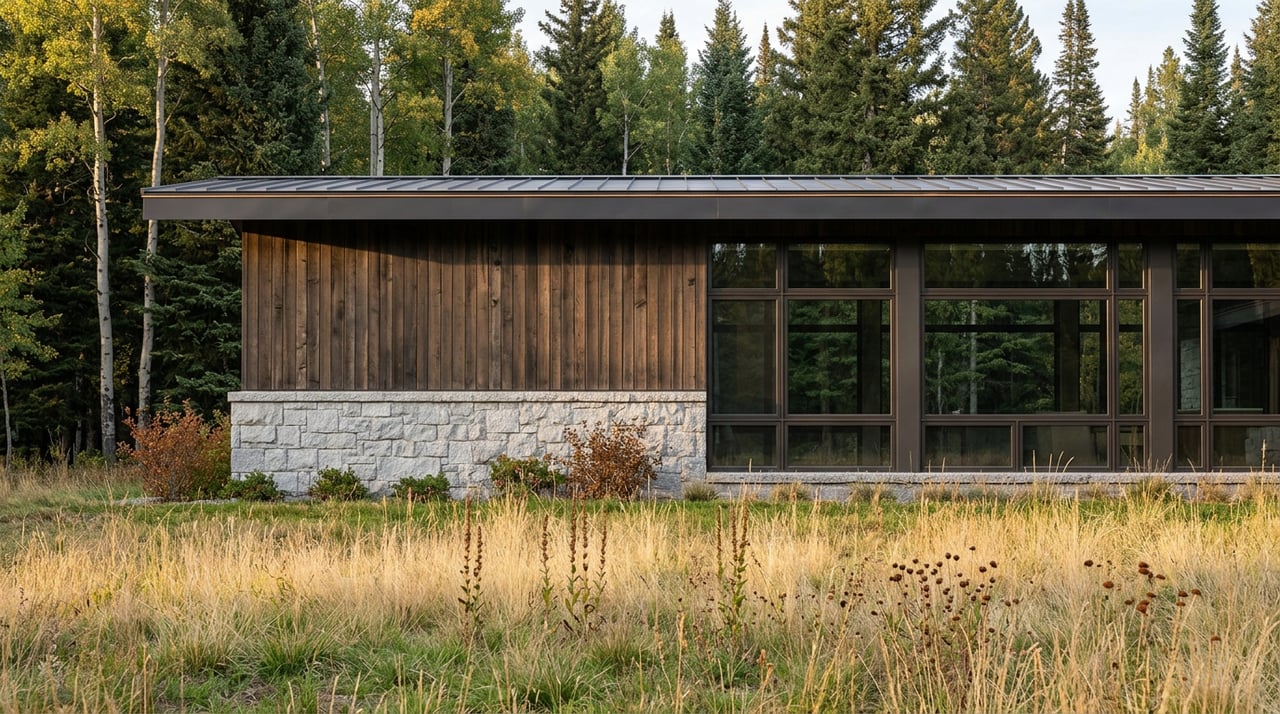
Other homes take a lighter and more contemporary approach. In these residences, expansive glass, open gathering spaces, and clean-lined forms help connect the interior to the alpine landscape.
At the same time, the style remains grounded in natural materials and mountain warmth. A home like 258 White Pine Canyon shows how contemporary design in The Colony still feels rooted in place rather than stark or overly urban.
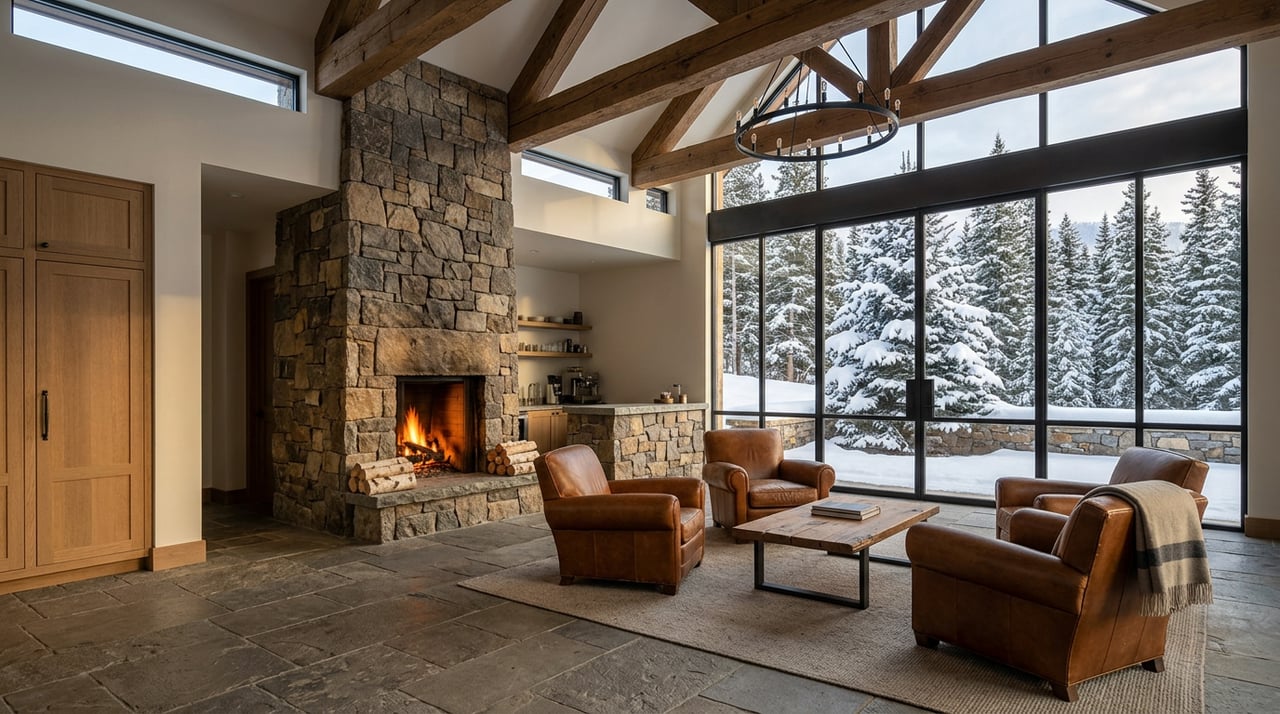
Listings within the community also commonly use the term mountain contemporary. At 137 White Pine Canyon Road, that label is expressed through rich hardwoods, vaulted ceilings, fireplaces, expansive windows, solid stain-grade wood doors, and outdoor elements designed for year-round enjoyment.
Natural Materials Shape the Look
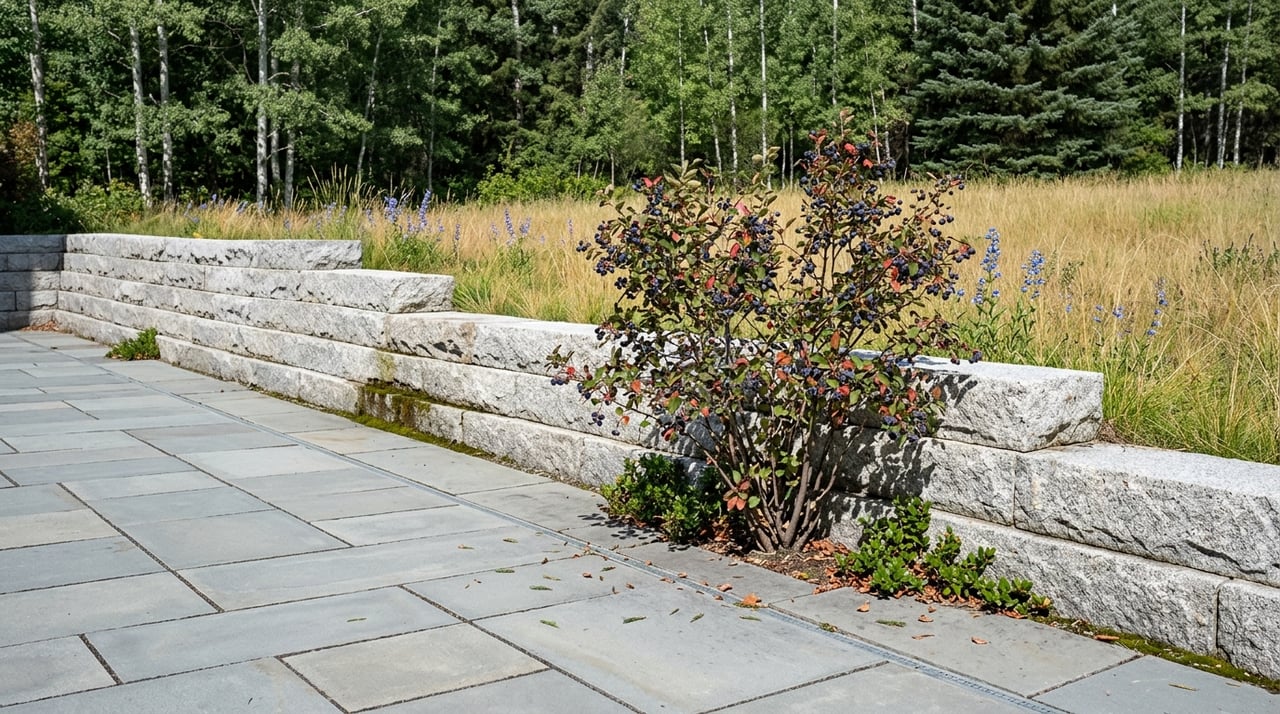
The material palette is one of the clearest ways The Colony protects its visual identity. Exterior materials are intentionally natural, with stained or natural wood, stone, and logs forming the core vocabulary.
Some additional materials may appear, but only in a supporting role and with approval. Board-form concrete, metal siding or corrugated metal, and brick may be used as subordinate materials, while manufactured or synthetic cladding is discouraged.
Color matters too. White is generally not permitted except as an accent, which helps homes sit more quietly in the landscape.
Rooflines and Massing Matter
Mountain modern in The Colony is not just about finishes. The shape of the home matters just as much.
The guidelines call for roof design that reflects the steeper mountain landform, and roof materials are expected to be non-reflective and aligned with the darkest forest tones. This helps homes blend into the environment rather than stand out against it.
The same thinking applies to walls and massing. Continuous flat wall planes should be avoided, and homes are encouraged to step with the topography.
That creates architecture that feels more layered and less imposing. It also helps preserve mature forest stands and rock outcroppings that give each homesite its character.
Expansive Glass, Without Losing Warmth
Large windows are a major part of the mountain modern experience in The Colony. They frame ski runs, tree canopies, ridgelines, and changing light in every season.
But the strongest examples balance glass with darker materials, segmented volumes, and a grounded composition. That is an important distinction.
In The Colony, expansive glazing is common, but it is usually paired with forms and finishes that soften the modern edge. The result is a home that feels open and view-focused without losing the comfort associated with a mountain retreat.
Indoor-Outdoor Living Is Essential
A defining part of The Colony’s architecture is how homes extend into the landscape. This is not just about adding a deck. It is about designing spaces that support life in every season.
Current examples across the community highlight terraces, patios, heated outdoor areas, hot tubs, ski rooms, mud rooms, and even private ski bridges. These features make the transition from slope to home more natural and help outdoor living feel integrated instead of secondary.
This is one reason the architecture feels so tied to the setting. The homes are designed not only to face the landscape, but to function with it.
Local Rules Influence the Final Design
Summit County standards also shape how homes look and live over time. For example, dark-sky requirements affect exterior lighting, with outdoor bulbs required to be fully shielded, down-directed, and 3,000K or less.
That has a practical benefit for nighttime comfort, but it also contributes to the community’s understated visual character after dark. Lighting is meant to support the home and site, not overwhelm them.
Topography also influences the review process. Summit County notes that slopes of 15% or greater require geotechnical reports during permit review, which reinforces the reality that architecture here must respond to mountain conditions from the earliest planning stages.
Why Homes Feel Low-Slung and Site-Sensitive
Another piece of the visual identity comes from height and profile. The Colony blog references a Summit County height standard of 32 feet, measured from natural or finished grade, whichever is lower.
On more visible sites, lower-profile massing may also be encouraged. Together, those standards reinforce the community’s low-slung mountain profile and help larger homes feel more integrated into the terrain.
This is a key reason The Colony’s architecture often feels expansive without seeming overbuilt. Scale is balanced by contour, setbacks, and composition.
What Distinct Mountain Modern Really Means Here
If you are trying to define mountain modern in The Colony in one phrase, think of it as contemporary architecture filtered through mountain warmth and site stewardship. It values openness, light, and clean lines, but never at the expense of material authenticity or landscape sensitivity.
You will see natural cladding, dark roofs, recessed windows and doors, segmented massing, and strong indoor-outdoor connections again and again. You will also notice that the community does not aim for sameness.
Instead, it protects privacy, environmental quality, and architectural character across a broad but disciplined design range. That balance is what gives The Colony its distinct identity.
If you are considering a homesite or custom residence here, understanding these principles can help you evaluate both design potential and long-term fit. For guidance on available opportunities and the nuances that shape each property, you can schedule a private tour with The Colony at WPC.
FAQs
What architectural style defines The Colony at White Pine Canyon?
- The Colony is defined by a range of styles from legacy alpine lodge to mountain modern and mountain contemporary, unified by natural materials, dark roofs, terrain-responsive design, and strong indoor-outdoor connections.
What materials are commonly used on homes in The Colony?
- The core exterior palette includes stained or natural wood, stone, and logs, while materials like board-form concrete, metal siding, corrugated metal, and brick may be used only as subordinate elements with approval.
What makes mountain modern homes in The Colony different?
- Mountain modern homes in The Colony typically combine expansive glass and open interiors with darker, earthier materials, segmented forms, and a warmer mountain character rather than a stark modernist look.
How do design guidelines shape homes in The Colony?
- New construction and site modifications are reviewed by the community’s SARC and Summit County, and the design guidelines help shape building placement, site coverage, materials, massing, and overall compatibility with the landscape.
How does the landscape influence architecture in The Colony?
- Homes are designed to respond to topography, preserve mature forest stands and rock outcroppings when possible, and step with the land instead of relying on flat, uniform massing.
What role does indoor-outdoor living play in The Colony homes?
- Indoor-outdoor living is central to the design language, with features such as terraces, patios, heated outdoor spaces, ski rooms, mud rooms, hot tubs, and ski-access elements helping homes function with the mountain setting.