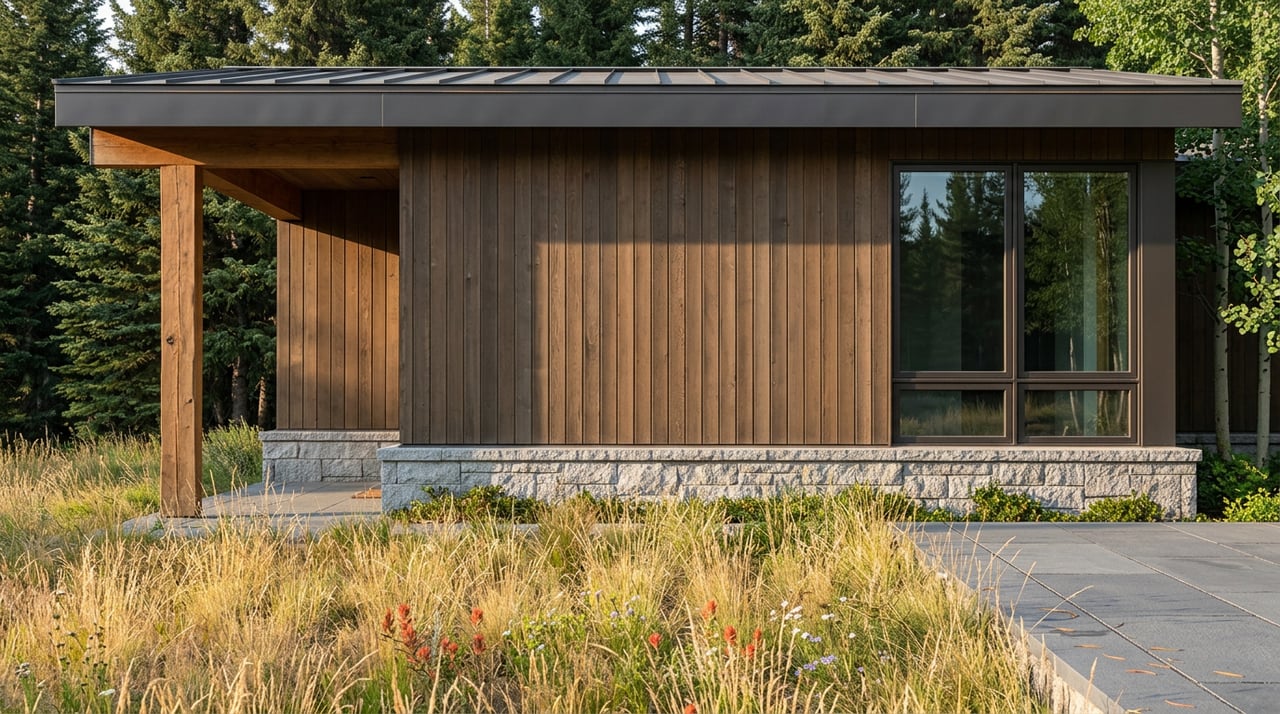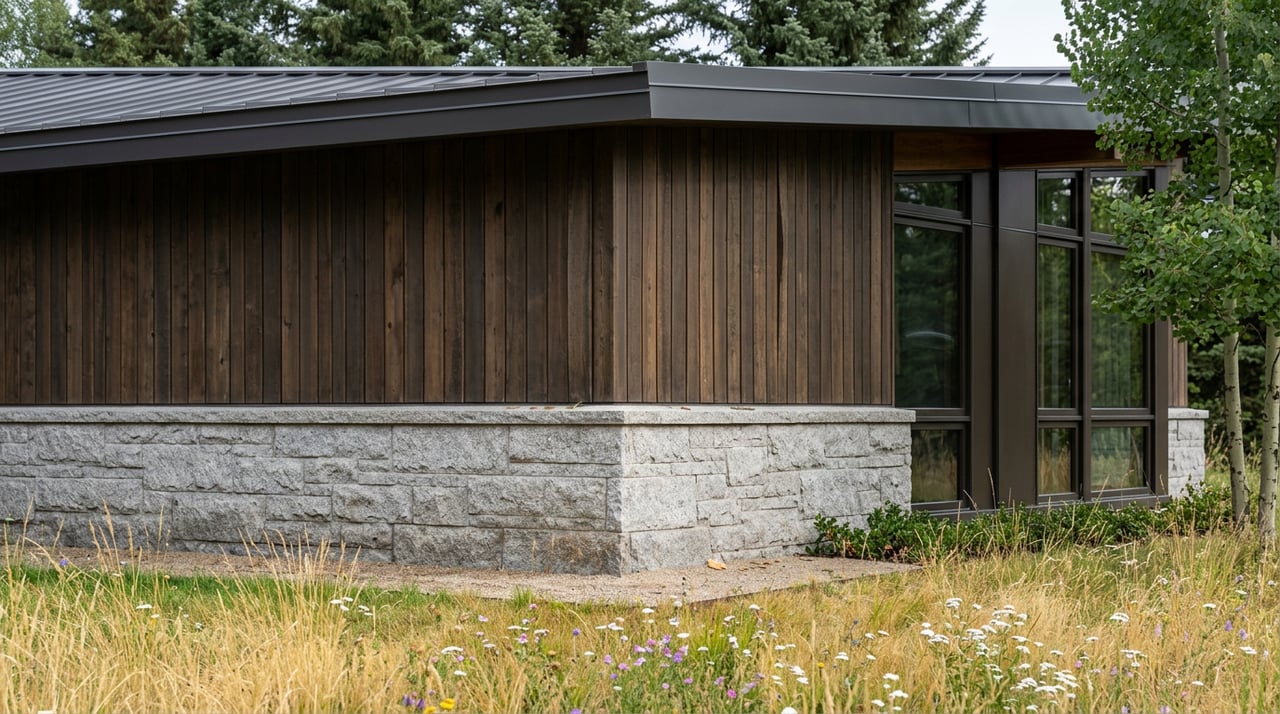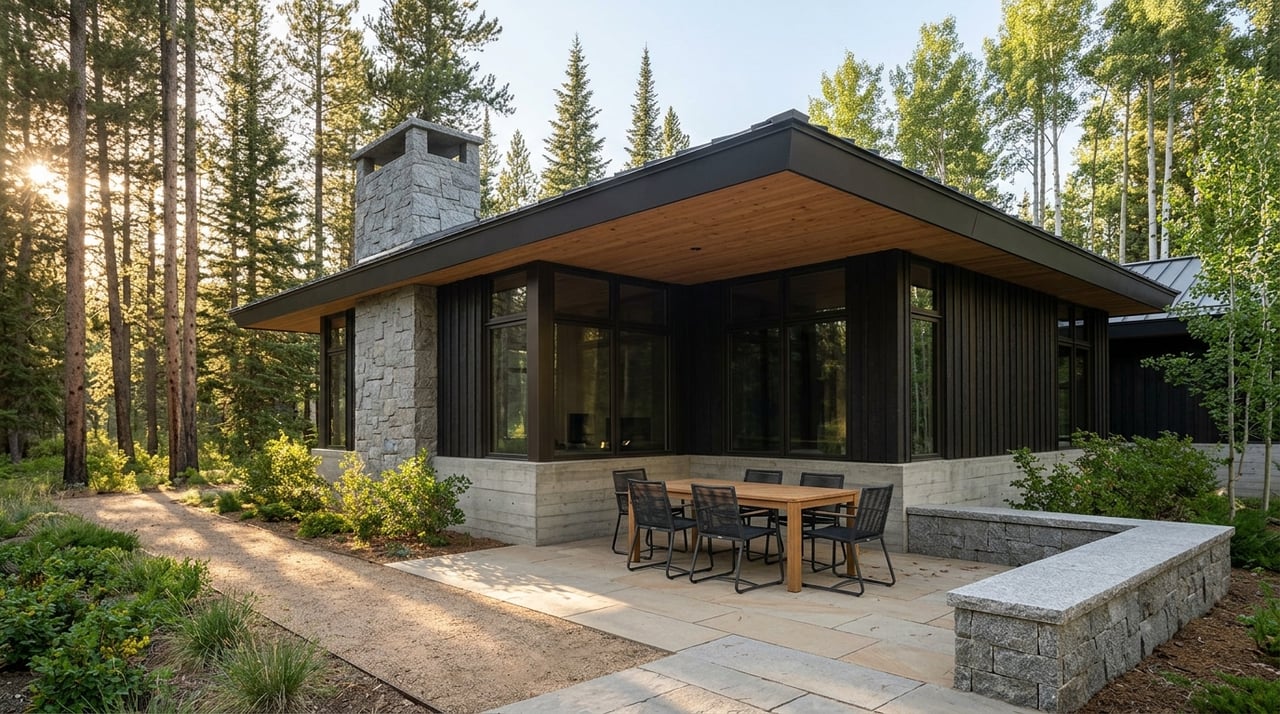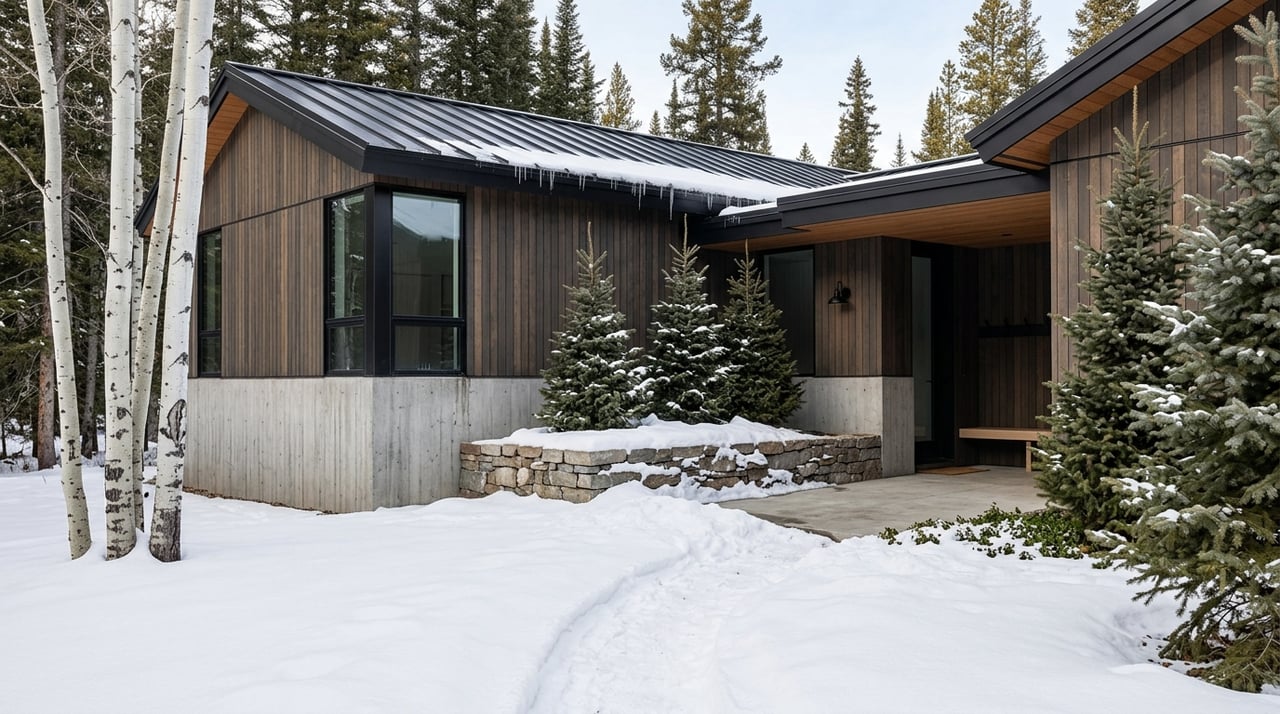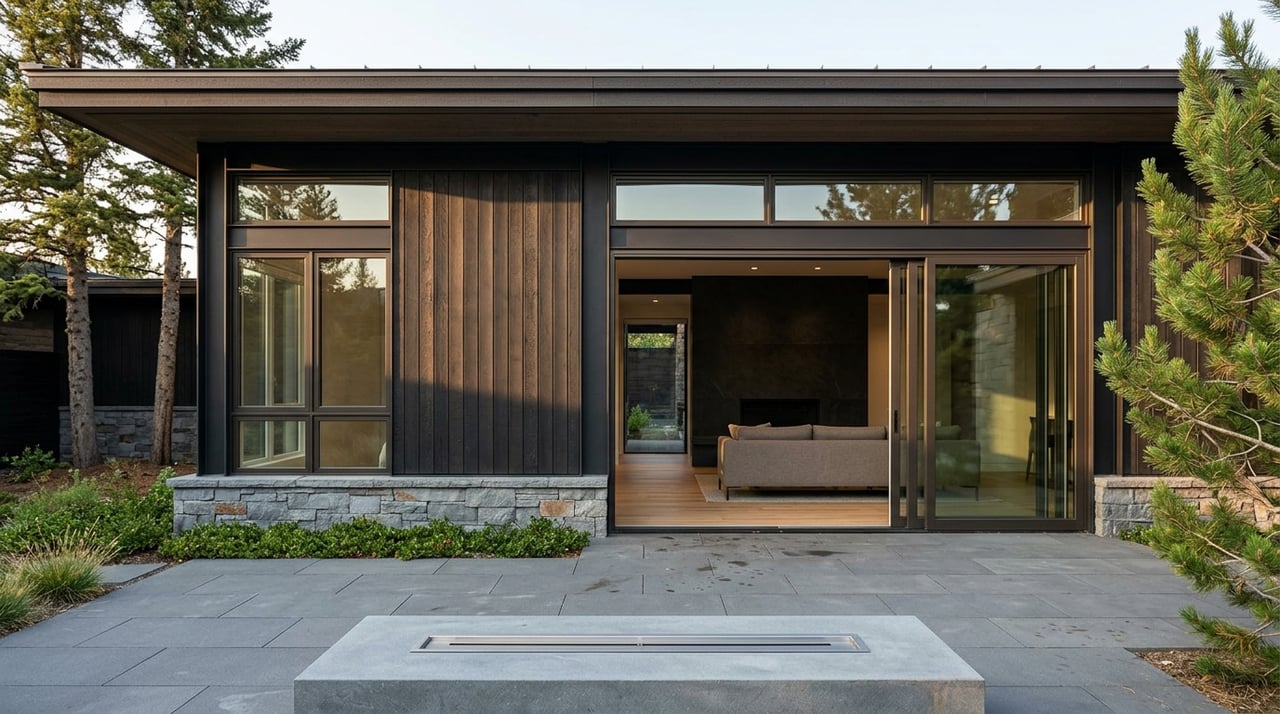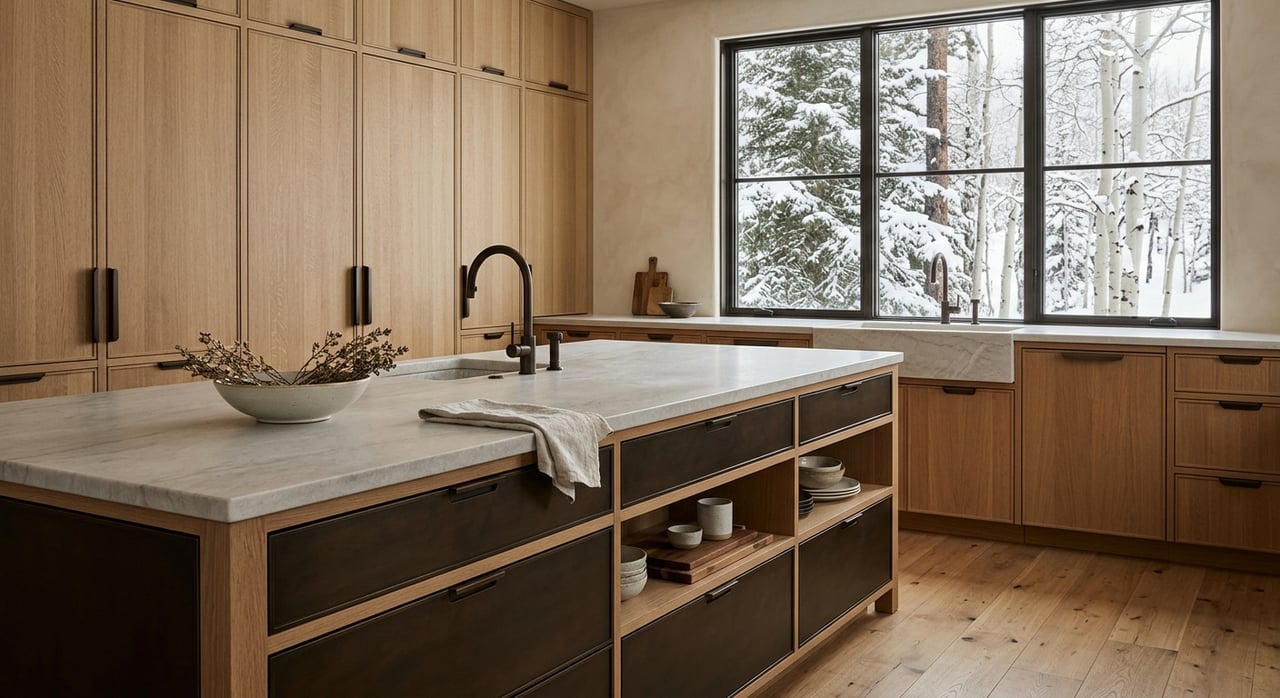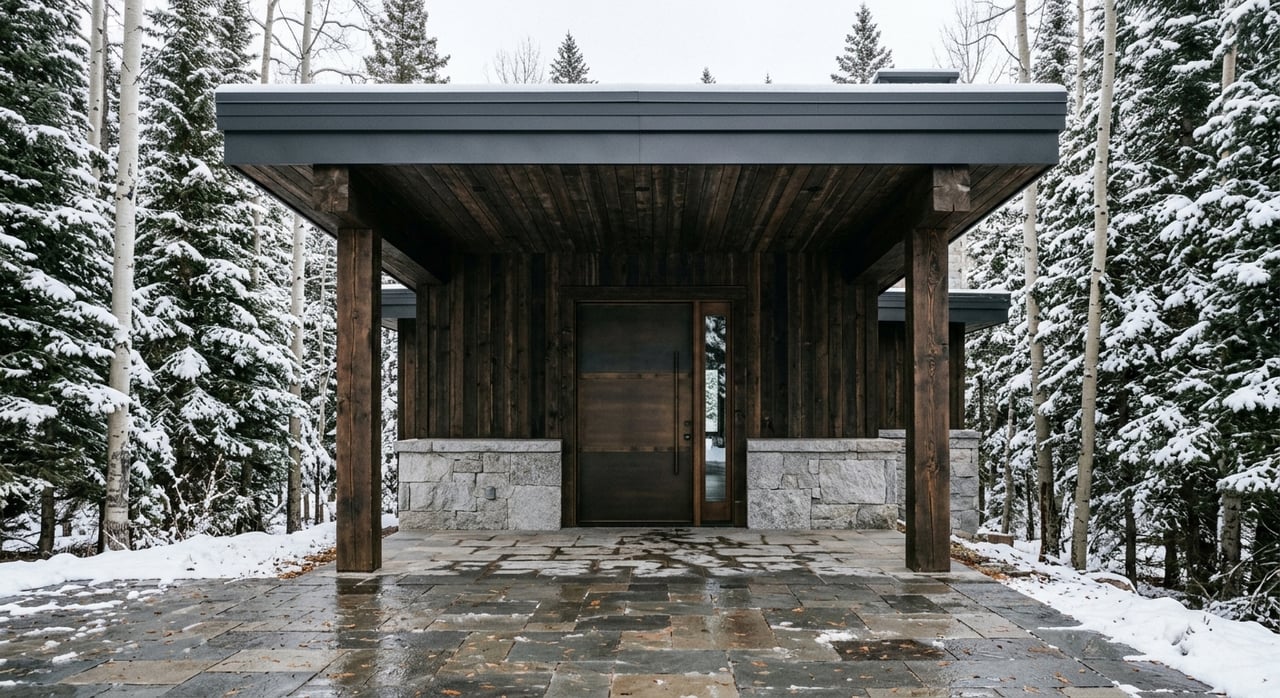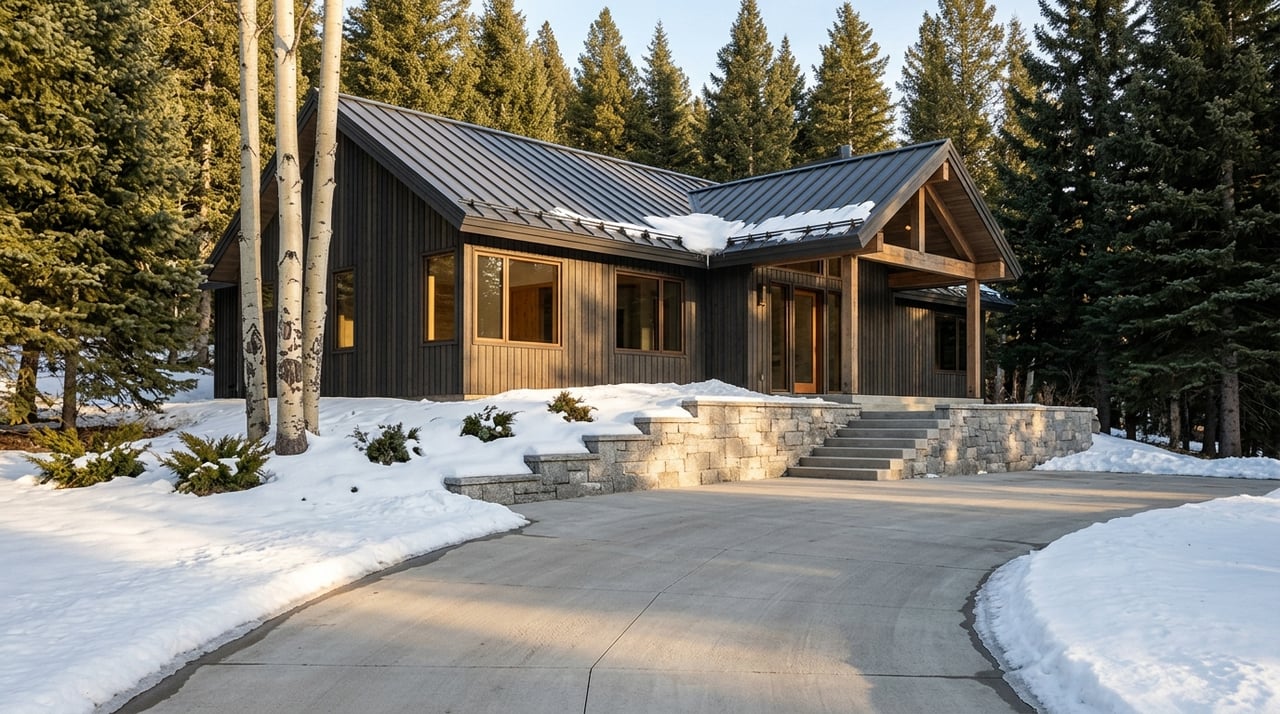
If you are searching for land in The Colony at White Pine Canyon, you already know that not all homesites offer the same experience. In a community with more than 4,600 acres, about 90% open space, and ski-in/ski-out access inside Park City Mountain, the difference between a good parcel and an exceptional one can be meaningful. The right homesite can shape your views, privacy, ski access, build timeline, and long-term enjoyment. Let’s take a closer look at what truly sets the best homesites apart.
Why homesites vary in The Colony
The Colony is not a raw land offering or a simple subdivision. It is a private, gated mountain community with over 26 miles of paved roads, underground utilities, and infrastructure already in place for completed phases. That means you are evaluating homesites inside an established neighborhood framework, not speculating on future basic improvements.
Location also plays a major role in value. The community is about 35 miles from Salt Lake City International Airport and about 5 miles from Historic Main Street, which creates a rare blend of mountain privacy and practical access. For many buyers, that balance is part of what makes homesite selection here so important.
Views that shape daily living
An exceptional homesite usually starts with the way it captures the landscape. In parts of The Colony, design guidelines specifically encourage homes to take advantage of meadow, lake, and long-range mountain views. That means the best parcel is often the one with the strongest natural view corridor, not simply the one with the biggest acreage number.
Orientation matters, but not in a generic way. In The Colony, the real question is how a future home will sit on the land and open toward the most compelling outlook. A homesite that naturally supports that relationship can create a much stronger result than one that looks similar on paper.
Why downhill lots can work well
Many Upper Meadow homesites are downhill lots, and those often pair naturally with walk-out basement designs. That can make it easier to create living spaces that open toward the landscape while working with the site instead of against it. In the right setting, that relationship can improve both architecture and day-to-day livability.
Privacy goes beyond acreage
Buyers often assume that more land automatically means more privacy. In The Colony, privacy depends on several factors, including tree cover, building envelope placement, window orientation, and the position of neighboring homesites. Two parcels of similar size can feel very different once a home is designed and placed.
Official design guidance notes that some homesites are close enough for glazing and windows to be visible from adjacent lots. That makes site planning especially important. A parcel with strong natural buffers and thoughtful siting potential may offer a more protected feel than a larger homesite with more direct visual exposure.
Trees and low-visibility design
The community’s design standards support a low-visibility mountain character. Site lighting is limited to low-level lighting that is not visible from off-site, which helps preserve the natural nighttime setting. Dense tree cover can also strengthen privacy, though it comes with stewardship and wildfire-mitigation responsibilities that should be part of your planning.
Ski access should be specific
In a ski-in/ski-out community, access quality can separate an average homesite from a standout one. The Colony includes ten lifts within the community, and that broad access is a major part of its appeal. Still, the best homesites are usually the ones where ski access feels direct, clear, and easy to verify.
That means looking beyond broad marketing language. You want to understand how the ski route connects to the lot, how it appears on the recorded plat, and how it aligns with the official trail map. A parcel that is technically close to a ski route may perform very differently from one with a more immediate and practical connection.
Four-season access adds value
Ski access is not only about downhill use. Recent homesite releases in Meadow Lakes highlighted private ski access, a Nordic ski track, and private walking and snowshoe trails. For many buyers, that kind of four-season circulation adds real value because it expands how the land can be enjoyed throughout the year.
Topography affects design and comfort
Some of the most exceptional homesites are the ones that make building easier. Flat or gently sloped building pads are often premium because they can reduce excavation, simplify driveway planning, and preserve more of the natural site. They can also make the design and construction process more straightforward.
That advantage is especially relevant in a mountain setting. The Colony’s design guidelines call for driveways and grading that work with natural topography and minimize cuts and fills. Summit County also requires geotechnical reports for lots with slopes of 15% or greater, so steeper sites may involve added technical review.
Driveway geometry matters more than many buyers expect
Driveway design is one of the most practical factors in homesite quality. Colony guidelines state that driveway grade should not exceed 12%, and the first 20 feet from the road should not exceed 5%. Driveways are typically 12 feet wide, and parking areas should be arranged to reduce visibility from roads, ski runs, and nearby homes.
In real terms, a parcel with a calm, efficient approach can be more desirable than a larger lot with a more difficult entry sequence. Ease of arrival matters, especially in a mountain environment where weather and grade can influence daily use.
Build potential is about more than lot size
A great homesite should fit your vision for the property you want to create. In The Colony, each homesite includes a building envelope of roughly one-half acre, and owners may build a main residence, a separate guest house, and an accessory building. The guest house footprint cannot exceed 2,500 square feet, and some pre-designated lots allow horses.
That flexibility is meaningful, but it still sits within clear design controls. Total site coverage within the development envelope is generally capped at 20,000 square feet, with limited exceptions up to 40,000 square feet on the largest homesteads. Within the envelope, approved elements can include the residence, guest house, barns and accessory outbuildings, pools, spas, approved fencing, grading, and low-level lighting.
Lot-specific conditions can change the picture
Not every homesite follows the same path. Some lots near ridgelines, meadows, or Pinecone areas may have added visibility-sensitive restrictions, including lower height limits or tree-removal review. That means two parcels with similar views or acreage may have different design opportunities and approval considerations.
The best homesite is buildable on a realistic timeline
An exceptional parcel is not only beautiful. It should also be realistic to design, approve, and build. In The Colony, site and house plans must go through architectural review, and Summit County requires building permits for construction and related work.
County review may also require planning approval before a building permit is submitted. Within The Colony, the SARC review process adds several steps of its own. Approved plans are not automatically transferable, and approvals expire if work does not begin within the required time frame.
For that reason, due diligence matters. Before you commit, it is wise to confirm:
- The recorded plat
- Ski easements and access routes
- Building envelope boundaries
- Driveway corridor feasibility
- Slope conditions and geotechnical needs
- Utility stub locations
- Tree-removal requirements
- Wildfire-mitigation obligations
- Any lot-specific overlays or special restrictions
Buy now or wait for another release?
This is one of the most common questions buyers ask in The Colony. The community has been developed in phases, and official materials show that releases are selective rather than constant. Recent release messaging for Meadow Lakes described eight new Phase 5 homesites as among the largest available, with commanding views and flat building pads.
That does not mean every future release will offer the same qualities. Waiting may make sense if you have a highly specific wish list for views, ski route, or topography. Buying now may make more sense when a current parcel already fits your estate plan, because the right homesite can matter more than perfect market timing.
What exceptional really means in The Colony
In the end, an exceptional homesite in The Colony is usually the parcel that balances five core elements well: view, privacy, ski access, topography, and future buildability. It is the homesite that supports your vision without forcing unnecessary compromises. In a community built around conservation, legacy ownership, and mountain access, that balance is what often creates lasting value.
If you want help comparing homesites, understanding recorded controls, or identifying the parcels that best match your long-term plans, the on-site team can offer the local context and technical guidance that matters. To explore opportunities within the community, connect with The Colony at WPC.
FAQs
What makes a homesite exceptional in The Colony at White Pine Canyon?
- An exceptional homesite usually offers a strong balance of views, privacy, ski access, workable topography, and realistic build potential within the community’s design guidelines.
How important is ski access when choosing a homesite in The Colony?
- Ski access is one of the most important differentiators, but the best lots are the ones with access that is direct, practical, and verifiable on the recorded plat and official trail map.
Do all homesites in The Colony offer the same building flexibility?
- No. While homesites generally allow a main residence, guest house, and accessory structures within the building envelope, some lots have additional visibility or design-related restrictions.
Why does topography matter for a homesite in The Colony?
- Topography affects excavation, driveway design, grading, construction complexity, and in some cases geotechnical review, which can all influence comfort, cost, and timeline.
Should you wait for a future homesite release in The Colony?
- Waiting can make sense if you want a very specific combination of features, but selective releases mean a comparable parcel may not appear on a predictable schedule.