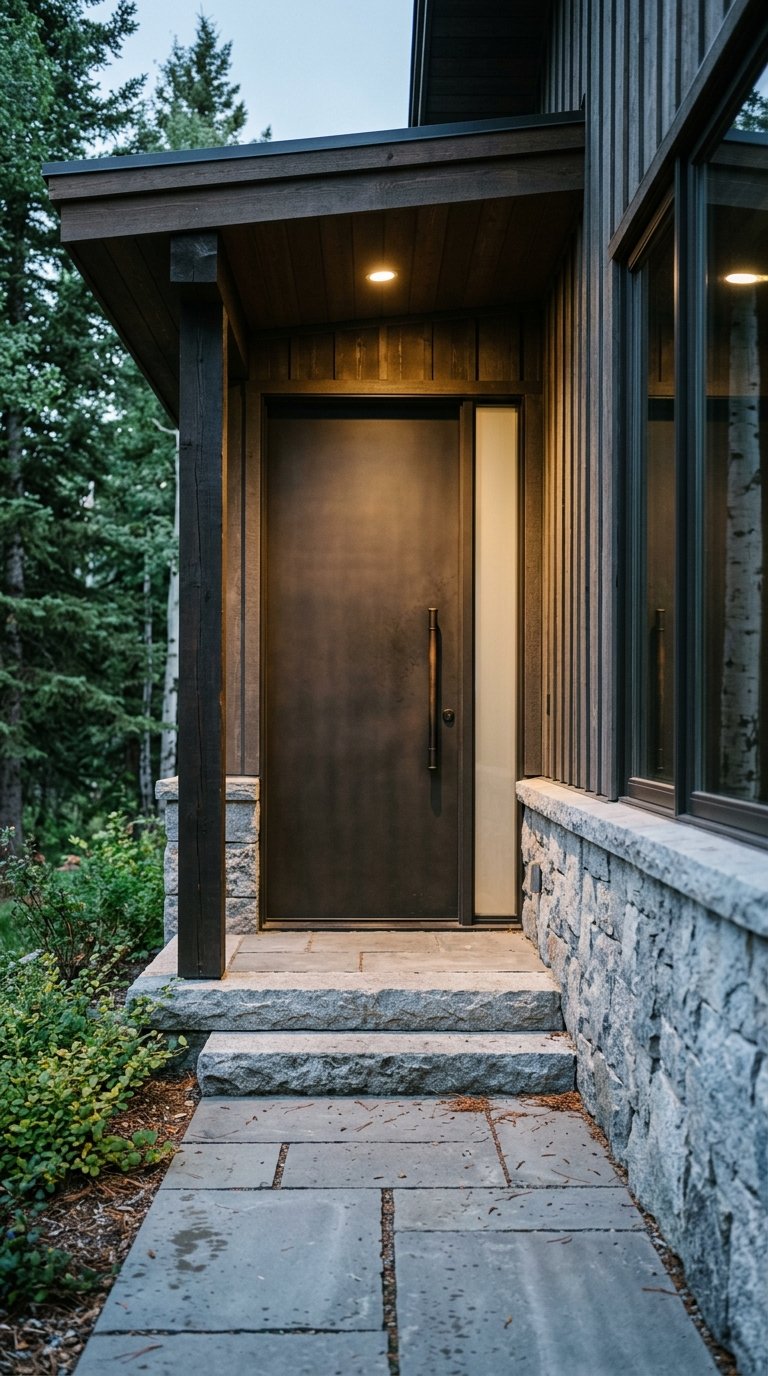
Wondering why homes in The Colony at White Pine Canyon feel so private, cohesive, and connected to the land without all looking the same? That result is not accidental. It comes from a detailed HOA framework and design review process built to protect the long-term character of the community, the surrounding landscape, and the ownership experience. Let’s dive in.
What the HOA is designed to do
At The Colony, the homeowners association is intended to serve and protect the collective interests of owners. As development phases are completed, maintenance responsibilities shift to the HOA, which handles operations management, forest oversight and protection, seasonal social events, and regular owner communications.
The governing structure is also more layered than many buyers expect. Publicly available community documents include CC&Rs, bylaws, reserve-study materials, rental policy documents, fine schedules, and the Design and Development Guidelines. That matters because it shows the community is guided by recorded standards and formal procedures, not informal custom.
For buyers, that structure can be reassuring. In a large private mountain community, clear rules help set expectations around upkeep, design review, use restrictions, and long-term stewardship.
Why design guidelines matter here
The design guidelines at The Colony are not about making every home look identical. Their stated purpose is better understood as protecting long-term character, privacy, views, and environmental quality while allowing custom architecture within a mountain-appropriate framework.
That distinction is important. The documents consistently emphasize low density, restrained architecture, and careful stewardship of open space rather than a one-style-fits-all approach.
In practical terms, that means you can expect thoughtful limits on where structures go, how visible they are, what materials are used, and how site improvements relate to the land. The goal is for the mountain setting to remain visually dominant.
How the approval process works
SARC and Summit County both matter
Any application for a building or site-modification permit within The Colony must be reviewed by the Site and Architectural Review Committee, known as SARC, and also approved by Summit County. The design guidelines are recorded restrictions, and they cannot be amended or waived without both SARC and the Summit County Community Development Director.
That dual layer of review is a major reason the community has maintained a consistent feel over time. It also means owners should think of planning and design as a formal process, not a simple administrative step.
The three-step review process
The review process follows three main stages:
- Pre-planning with the owner, architect, and SARC
- Conceptual design review focused on site planning, massing, materials, view relationships, and overall design direction
- Final plan review based on a full package of plans
There is also a helpful option for prospective buyers. The guidelines allow a non-binding pre-purchase consultation, which can give you early insight before you commit to a homesite.
Expect a detailed submittal package
Design review at The Colony is thorough. Depending on the project, submissions may include surveys, topography, tree and wetland identification, conceptual and final site plans, floor plans, elevations, grading and drainage plans, landscape plans, and in some cases a three-dimensional model and site staking.
The guidelines also require owners to engage a licensed architect familiar with mountain design, and they encourage the use of a licensed landscape architect. If you are planning to build, this is one of the clearest signs that early professional guidance matters.
Review is case by case
Final plan review takes place in an open meeting, and adjacent owners receive notice. SARC then issues a written approval, conditional approval, or denial within 14 days.
Just as important, prior approvals do not establish precedent. In other words, a design approved elsewhere in the community does not guarantee a similar outcome on your lot. Each homestead is reviewed on its own conditions, visibility, and relationship to the land.
How the guidelines shape the land
Building envelopes drive site planning
One of the most important concepts at The Colony is the development envelope. With the exception of the driveway, structures and site improvements must fit within that designated area, including the primary residence, guest house, accessory buildings, pools, lawns, and other recreational features.
Official community materials describe each homesite as having a designated building envelope of roughly one-half acre, while the rest of the lot is preserved as open space. This approach helps reduce visual impact and preserve the wider mountain setting.
Site coverage is intentionally limited
The guidelines set a base limit of 20,000 square feet of total site coverage within the envelope. On the largest homesteads, limited exceptions can allow up to 40,000 square feet when SARC determines the increase is appropriate and not visible off-site.
That kind of containment is central to the planning philosophy. It allows for substantial custom homes while still emphasizing open space and minimizing the appearance of overbuilding.
Height and massing protect views
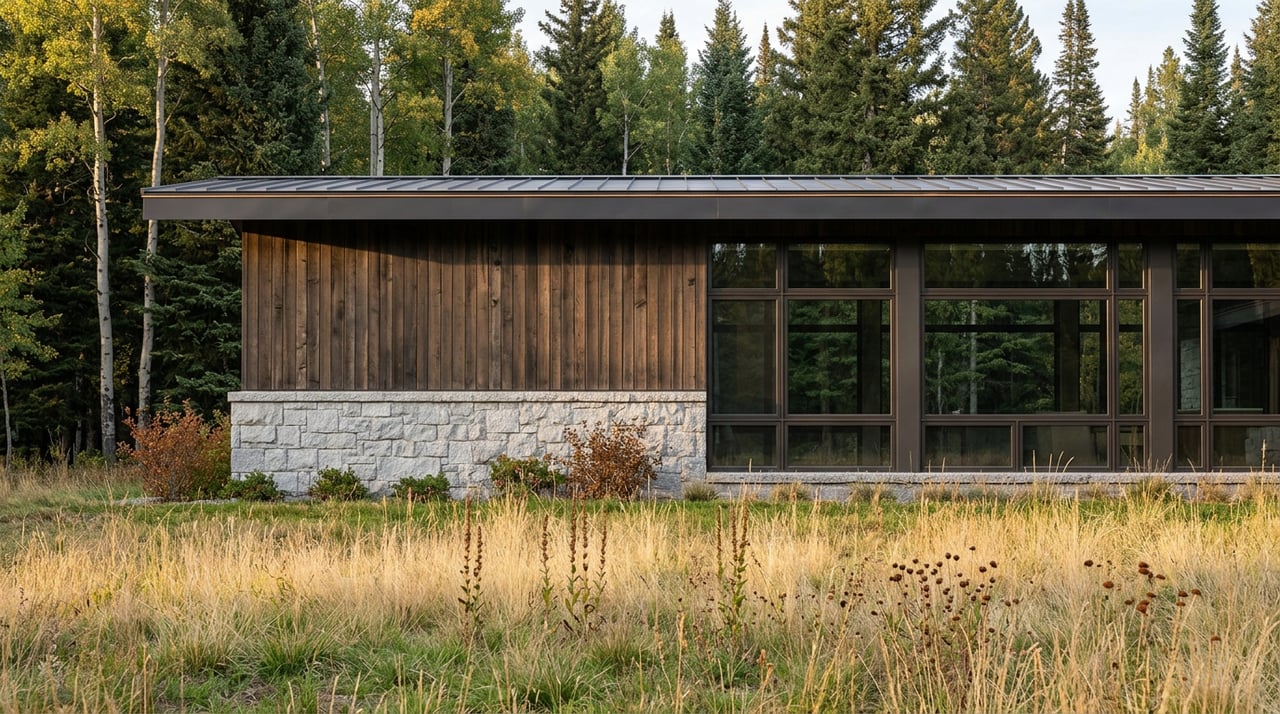
Buildings are expected to sit into the terrain rather than appear perched above it. Maximum height generally does not exceed 32 feet, and in more visible locations SARC can require lower profiles, more excavation, or tighter ridgeline setbacks.
For you as a buyer or builder, this means view protection is not handled by chance alone. Height and massing controls are part of how the community seeks to preserve privacy and neighboring view relationships.
How the guidelines shape architecture
Materials follow a mountain palette
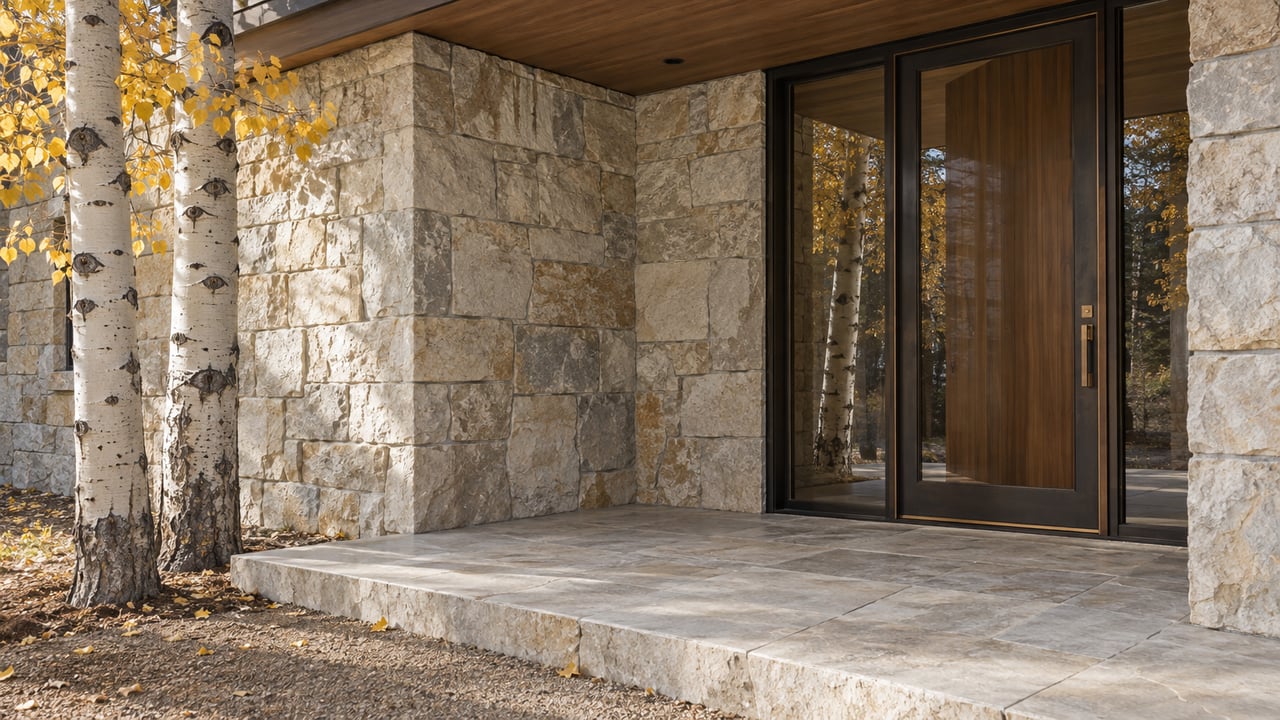
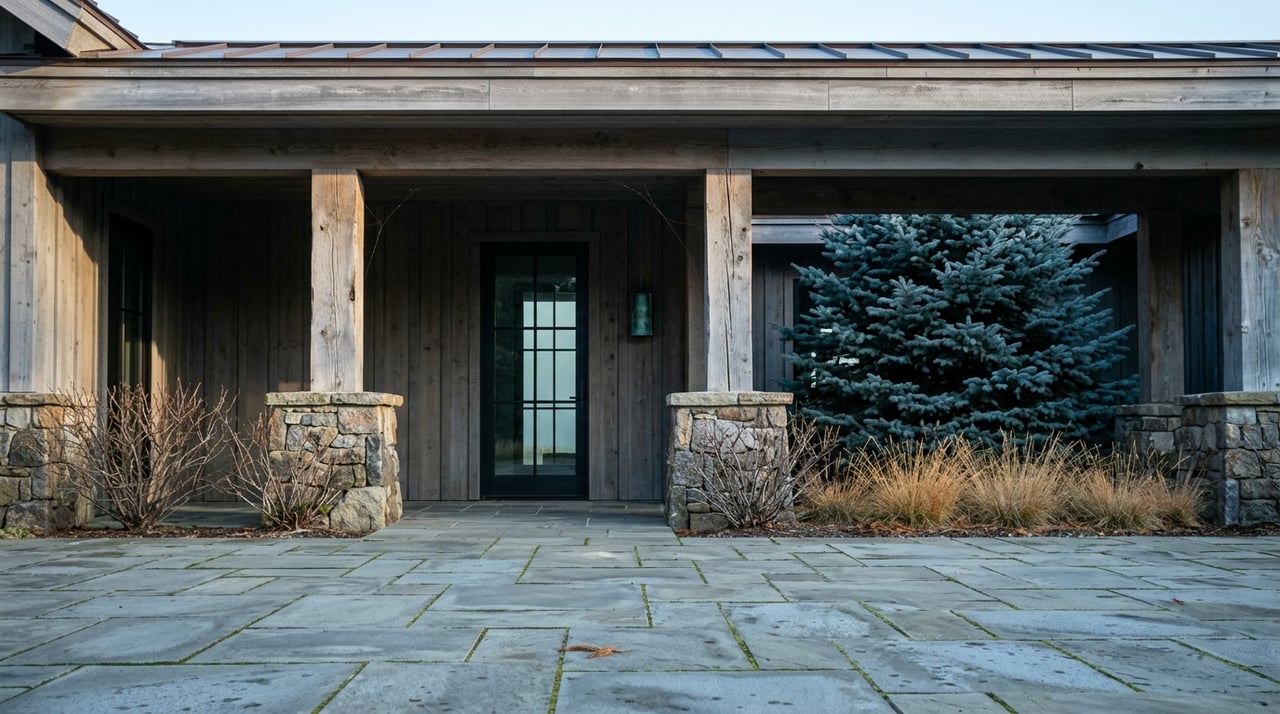
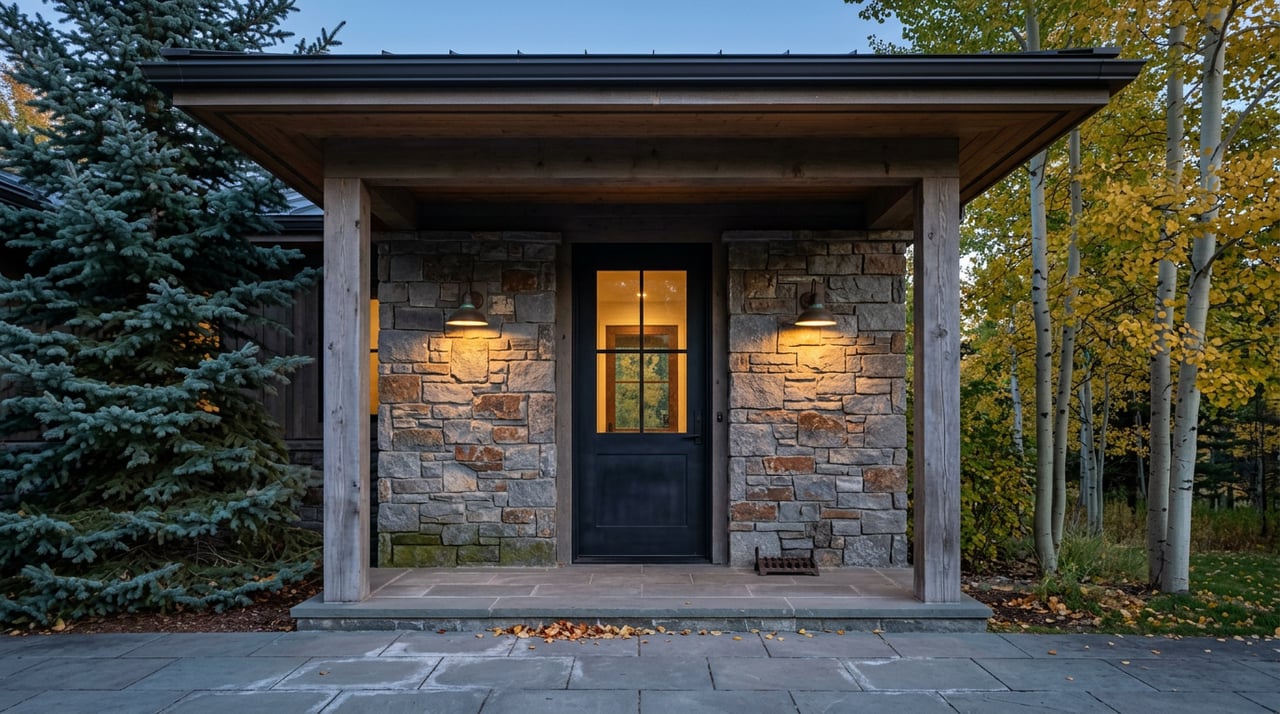
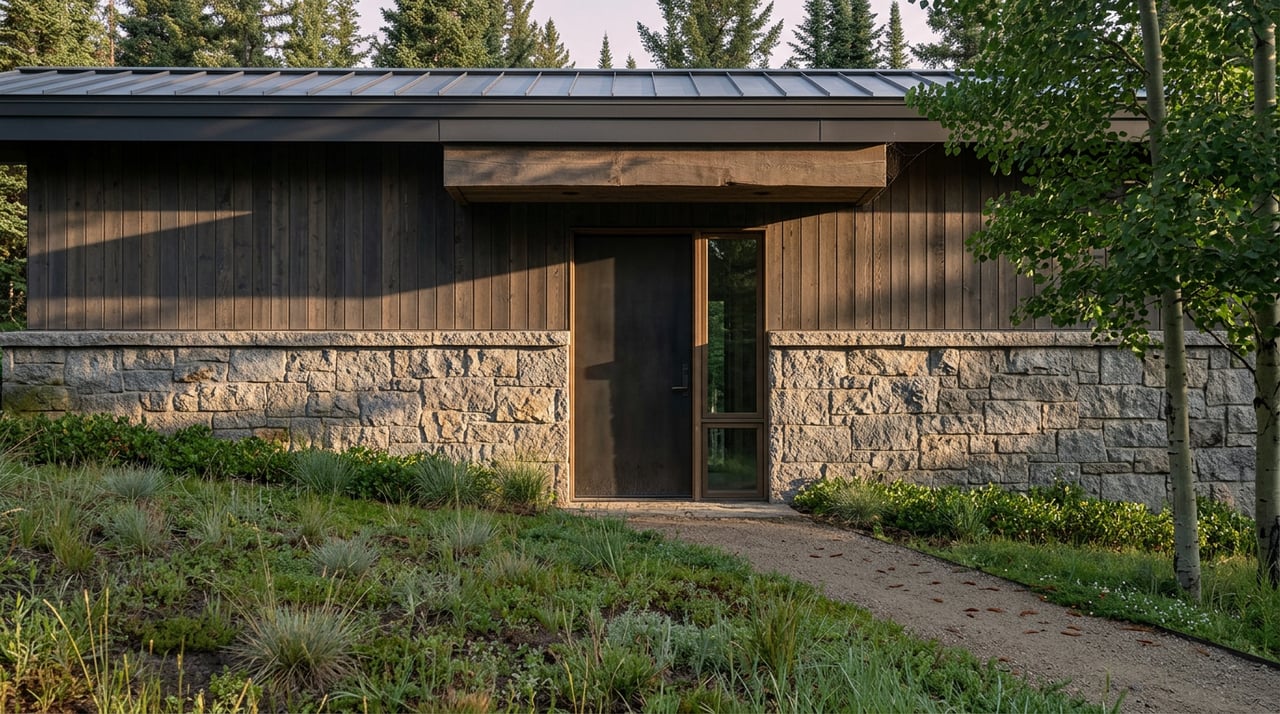
The architectural palette is intentionally restrained. Approved exterior materials include stained or natural wood, stone, and logs, while some subordinate materials may also be allowed.
At the same time, synthetic cladding is discouraged, white is generally not permitted on new structures except as an accent, and roof materials are intended to match the darkest values in the surrounding landscape. Low-reflective, mountain-appropriate finishes are favored over visually loud choices.
Homes can be distinctive without being disruptive
This is where The Colony’s design philosophy stands out. The guidelines support custom homes, but they aim to prevent a house from visually overpowering its setting or interrupting neighboring privacy.
So while homes are not standardized into one style, they are expected to share a common respect for scale, materials, terrain, and visibility. That balance helps explain why the community feels both refined and natural.
How the guidelines shape daily use
Lighting and fencing are tightly controlled
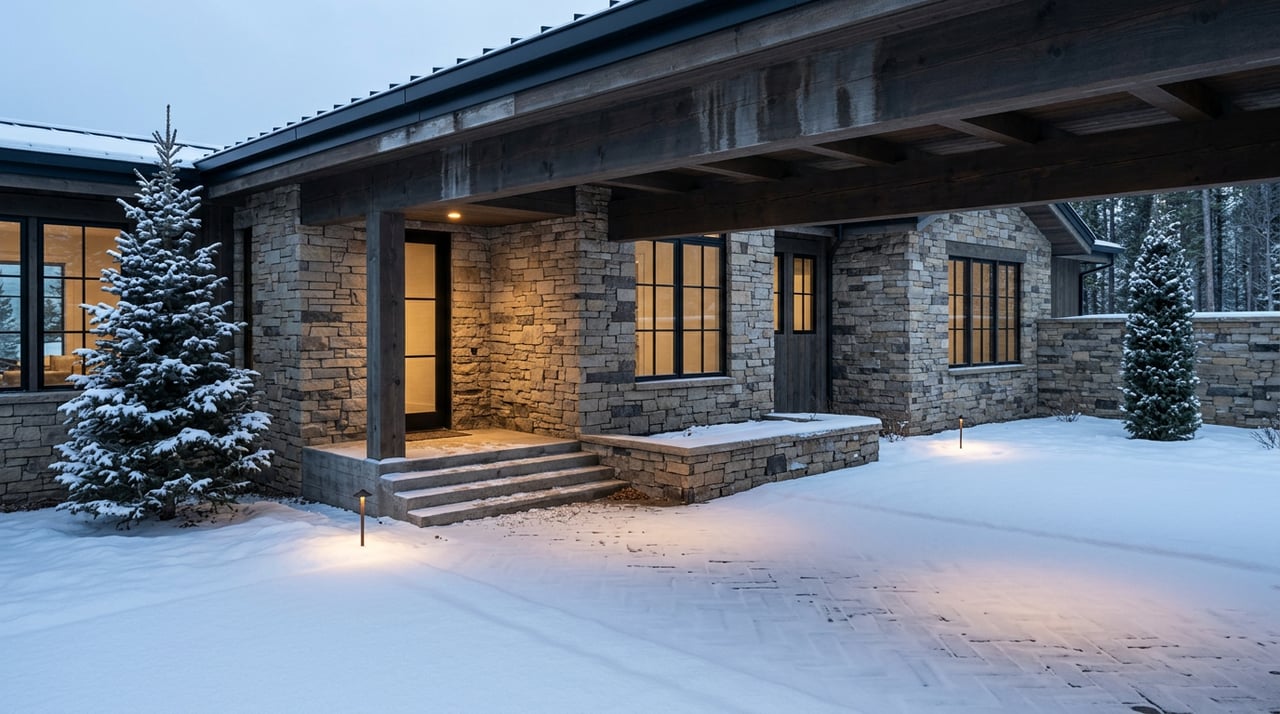
Lighting is limited to shielded, low-intensity fixtures, and it is not permitted outside the development envelope and driveway corridor. These limits help protect privacy and preserve the area’s night-sky character.
Fencing is also tightly regulated. Perimeter and lot-line fencing are prohibited, while certain approved styles may be allowed along main roads and meadow edges. Within the envelope, fences, garden walls, dog runs, and corrals must either look like an architectural extension of the home or follow approved rail designs.
Landscaping favors restraint and stewardship
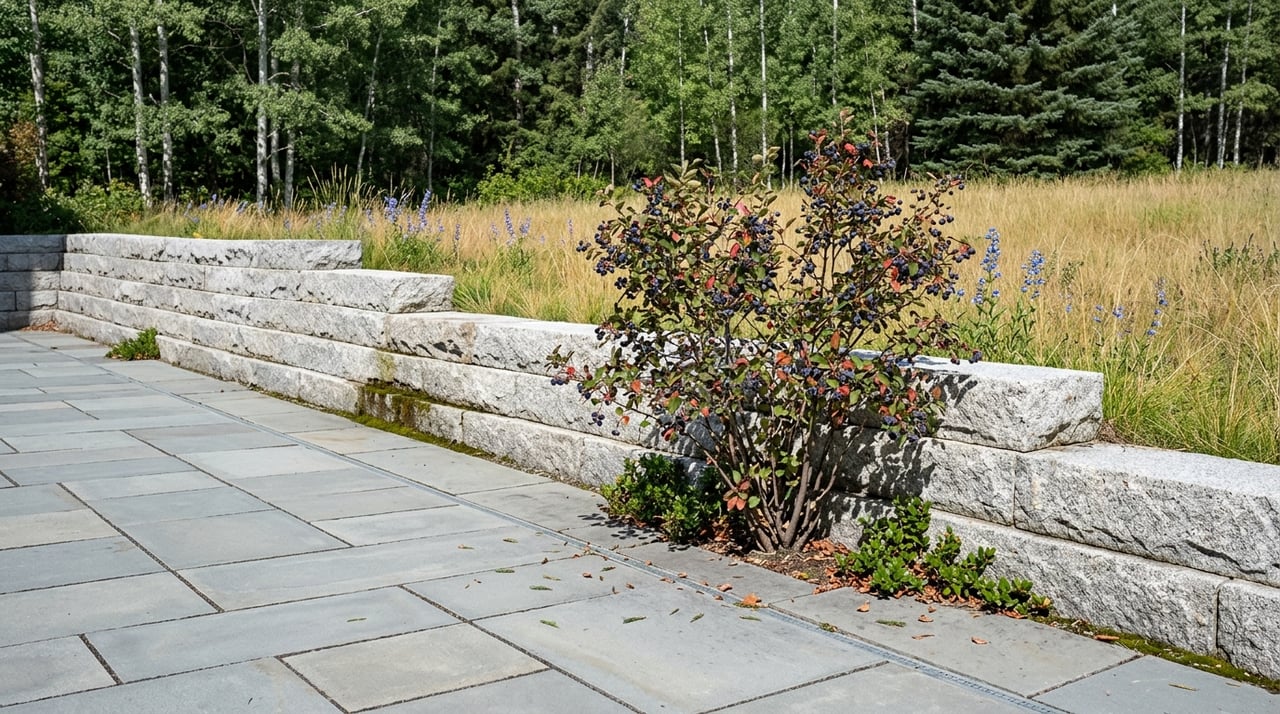
The landscape rules strongly favor native or low-water planting. Meadows and forest edges are intended to remain undisturbed, and tree removal requires SARC approval.
The guidelines also include practical stewardship measures. Pets must be leashed outside the immediate residence compound, and trash storage must be animal-proof to help protect wildlife.
Open space is a core planning principle
Conservation is built into the community structure. The guidelines state that open-space corridors were permanently set aside to preserve creeks, riparian areas, wetlands, and wildlife habitat.
Within natural open-space zones, uses such as trails, meadows, ponds, and roofed picnic shelters without walls may be allowed, but buildings, most grading, exterior lighting, and unapproved vegetation removal are prohibited. This is one reason the broader community retains a strong sense of landscape continuity.
Special lot conditions and build possibilities
Some homesites come with added conditions. The guidelines note that certain ridge or highly visible homesteads have special height and setback requirements.
Community materials also note that owners may build a main residence, a separate guest house, and an accessory building. In addition, some pre-designated lots allow horses, though barns, corrals, and related structures still require approval and must comply with both HOA and county standards.
If you are comparing lots, these differences are important. Two properties may offer very different design opportunities depending on visibility, topography, envelope layout, and any added restrictions.
Enforcement is part of the system
The standards at The Colony are backed by enforcement tools. Construction-management appendices include compliance deposits, site-protection rules, and penalties for violations.
Serious issues can lead to fines, job-site closure, stop-work orders, and notice to Summit County. For owners who value predictability and long-term quality, that level of enforcement is part of what gives the rules practical meaning.
What buyers should review before closing
If you are considering a purchase in The Colony, document review is an important part of due diligence. Utah’s HOA Homebuyer Checklist recommends reviewing the deed, CC&Rs, bylaws, design rules and fees, rental restrictions, and possible lender implications before closing.
The state also advises buyers to confirm whether an architectural design committee exists, because exterior changes usually require approval. If you have legal questions tied to association-specific documents, the checklist recommends consulting a Utah-licensed attorney.
For this community specifically, you will want to understand at least these points:
- Building envelope limits and how they affect the site plan
- SARC review requirements for new construction and exterior changes
- Height, massing, and material standards that may shape your design
- Rental policy restrictions tied to residential use
- HOA dues and governing documents that affect ownership expectations
The more clearly you understand these items upfront, the easier it is to match the right homesite or estate to your goals.
Why all of this matters for long-term value
The Colony’s HOA and design guidelines help shape more than the look of individual homes. They influence how the community feels over time, how privacy is preserved, how views are considered, and how open space remains part of daily life.
For many buyers, that is a major part of the appeal. The rules are designed to support a mountain community that prioritizes stewardship, restrained design, and a lasting sense of place.
If you are exploring homesites, custom-build opportunities, or estate ownership within White Pine Canyon, a clear understanding of these standards can help you make a more confident decision. To learn more or arrange a private introduction to available opportunities, connect with The Colony at WPC.
FAQs
What does the HOA at The Colony at White Pine Canyon do?
- The HOA is intended to serve and protect the collective interests of owners, and it handles responsibilities such as operations management, forest oversight and protection, seasonal social events, and owner communications as phases are completed.
What is SARC at The Colony at White Pine Canyon?
- SARC is the Site and Architectural Review Committee that reviews building and site-modification applications on behalf of the HOA, alongside required Summit County approval.
Do all homes in The Colony at White Pine Canyon have to look the same?
- No. The design guidelines are intended to preserve character, privacy, and environmental quality, not to standardize every home into the same style.
What is a building envelope in The Colony at White Pine Canyon?
- A building envelope is the designated area where most structures and site improvements must be located, while the rest of the lot is generally preserved as open space.
Are rentals restricted in The Colony at White Pine Canyon?
- Yes. The short-term rental policy says homesteads are limited to residential purposes and prohibits timeshare and shared-use programs, more frequent rentals than once every 28 days, and certain commercial-style events.
What should buyers review before buying in The Colony at White Pine Canyon?
- Buyers should review the deed, CC&Rs, bylaws, design rules, fees, rental restrictions, and architectural approval requirements, and they may want guidance from a Utah-licensed attorney for community-specific legal questions.