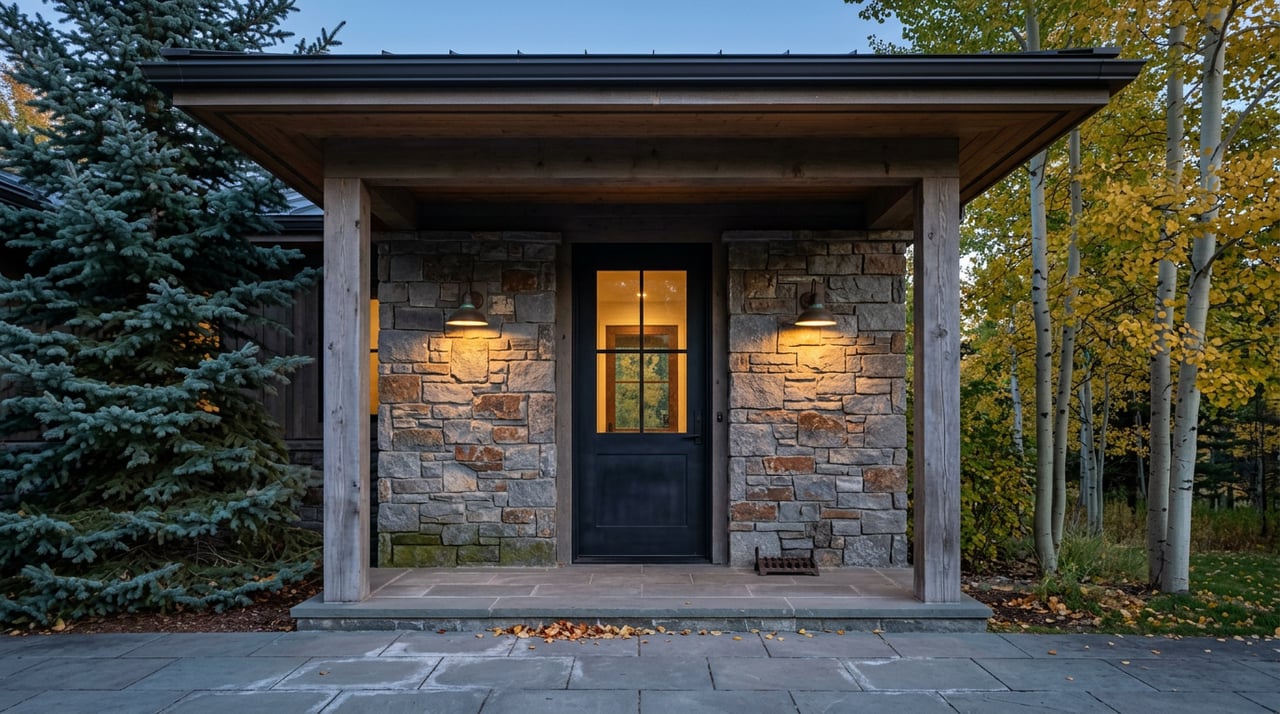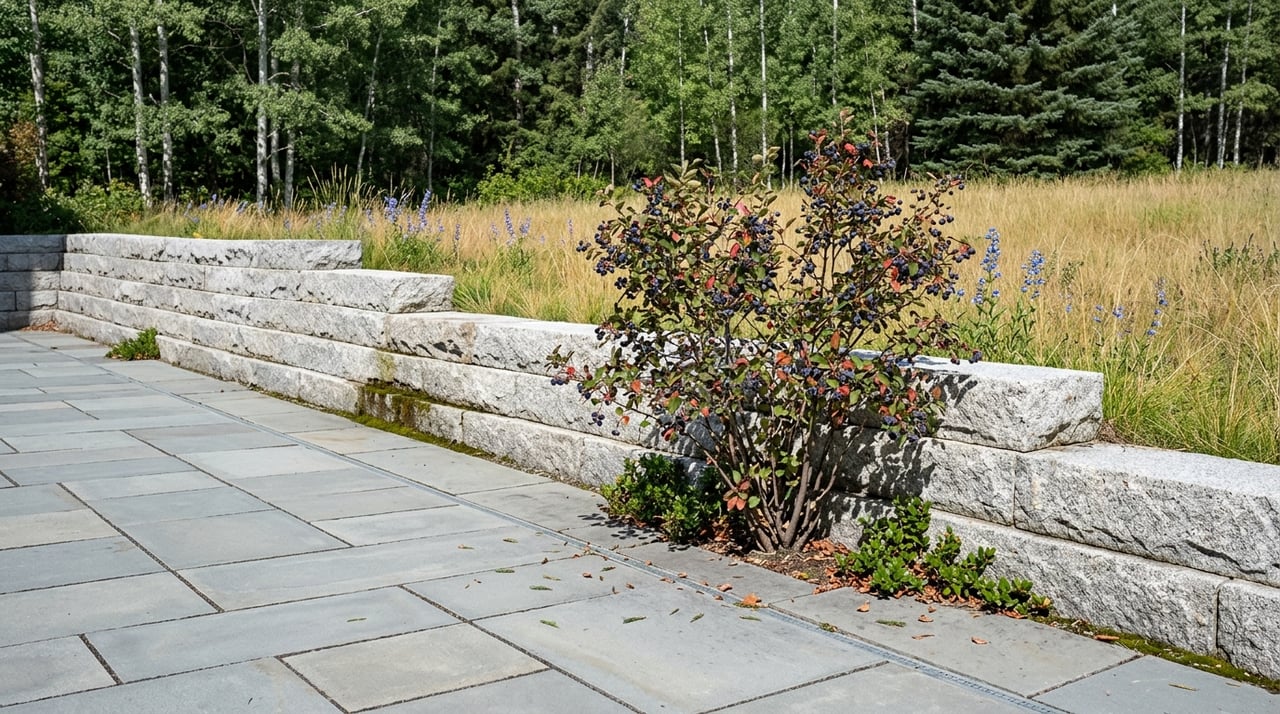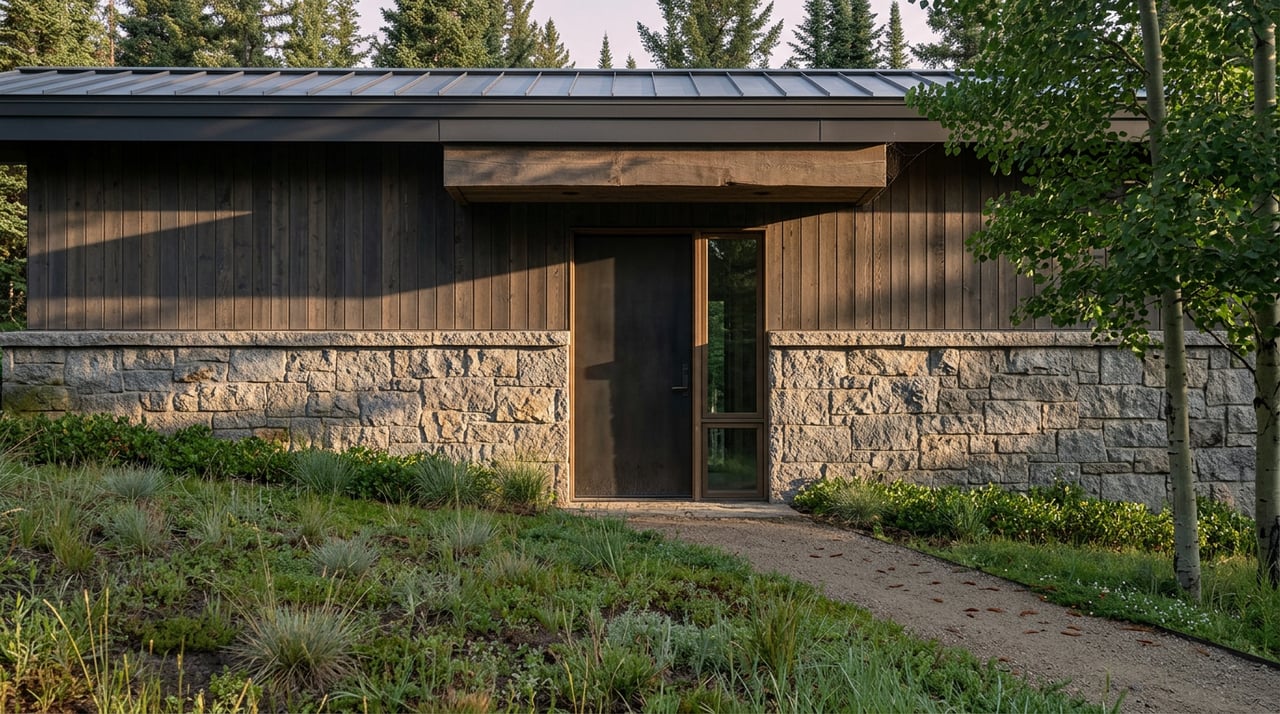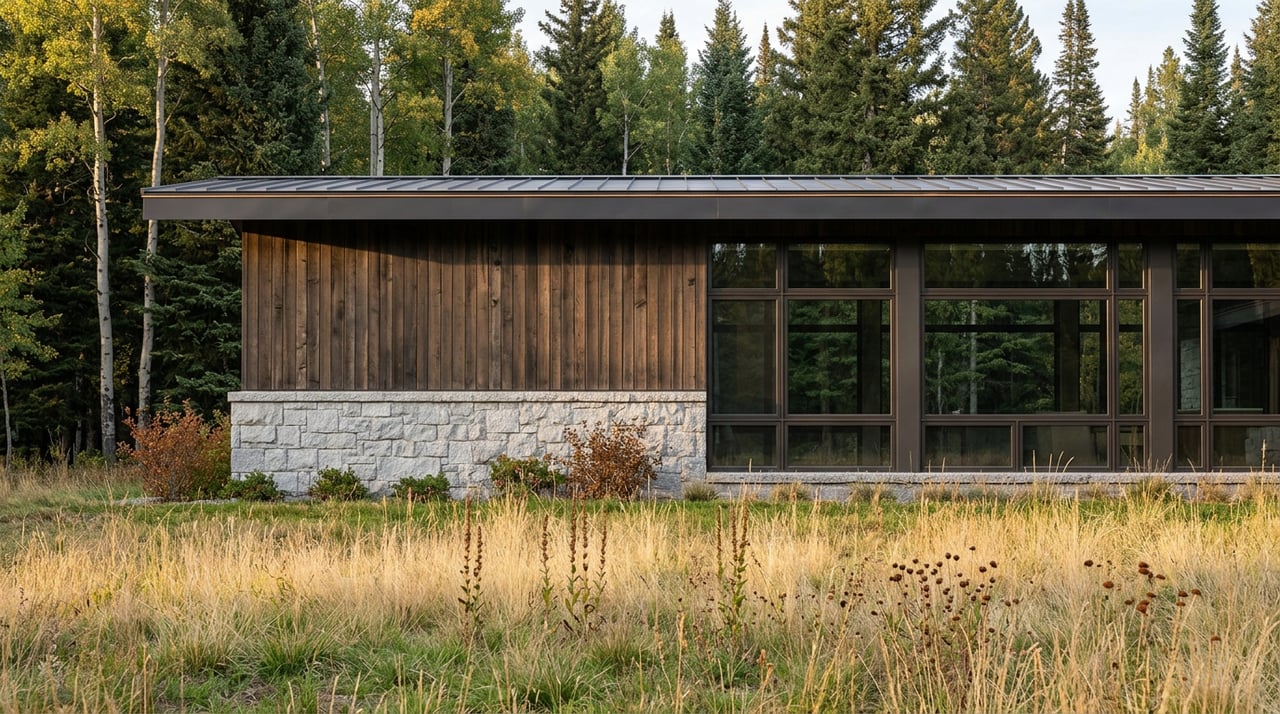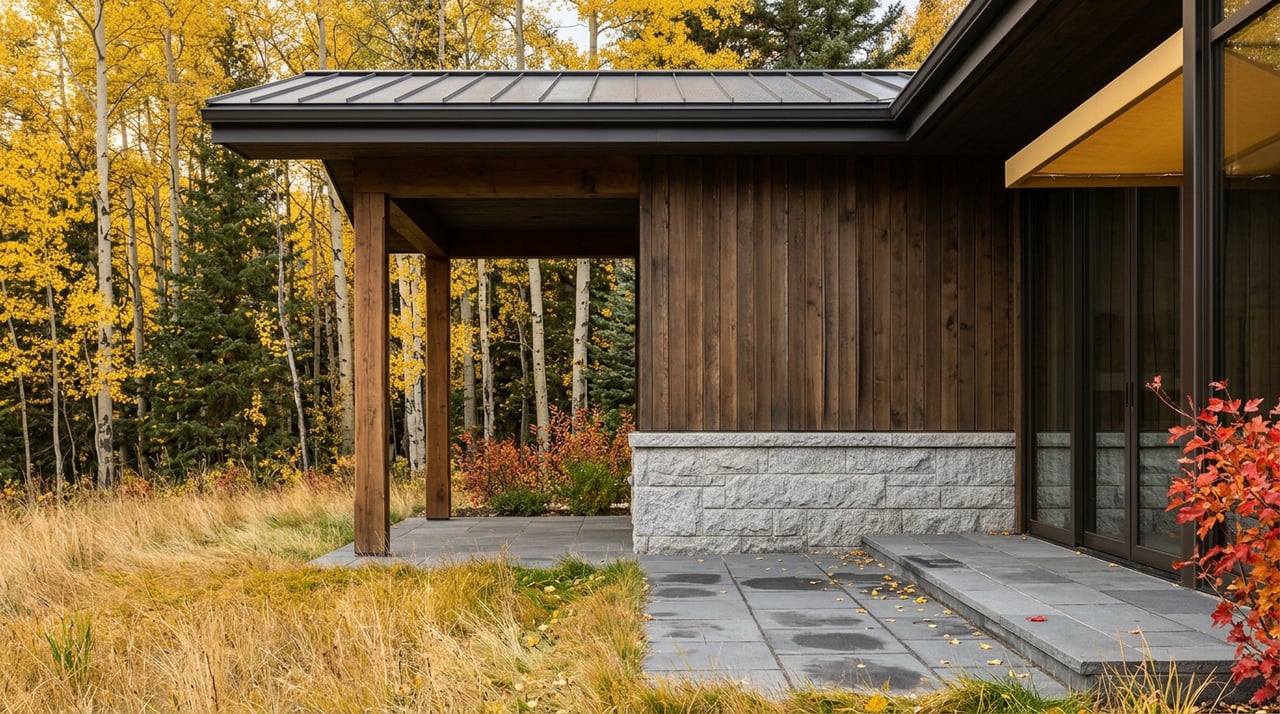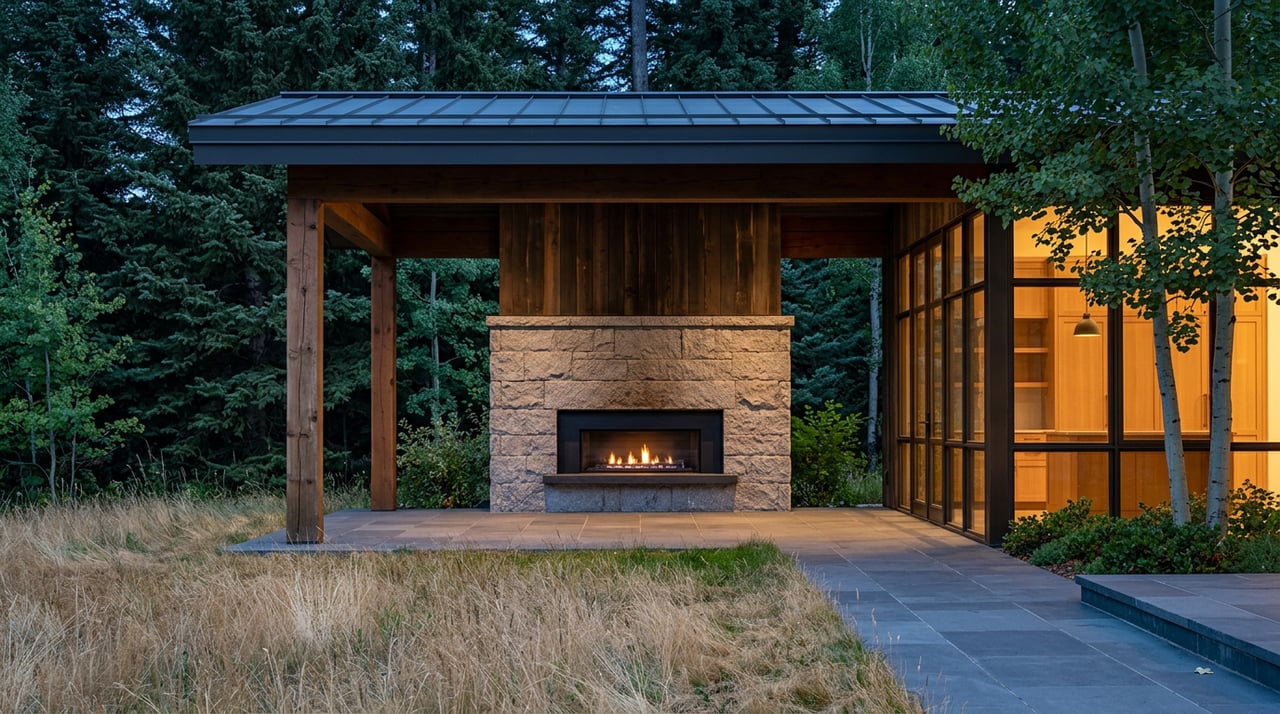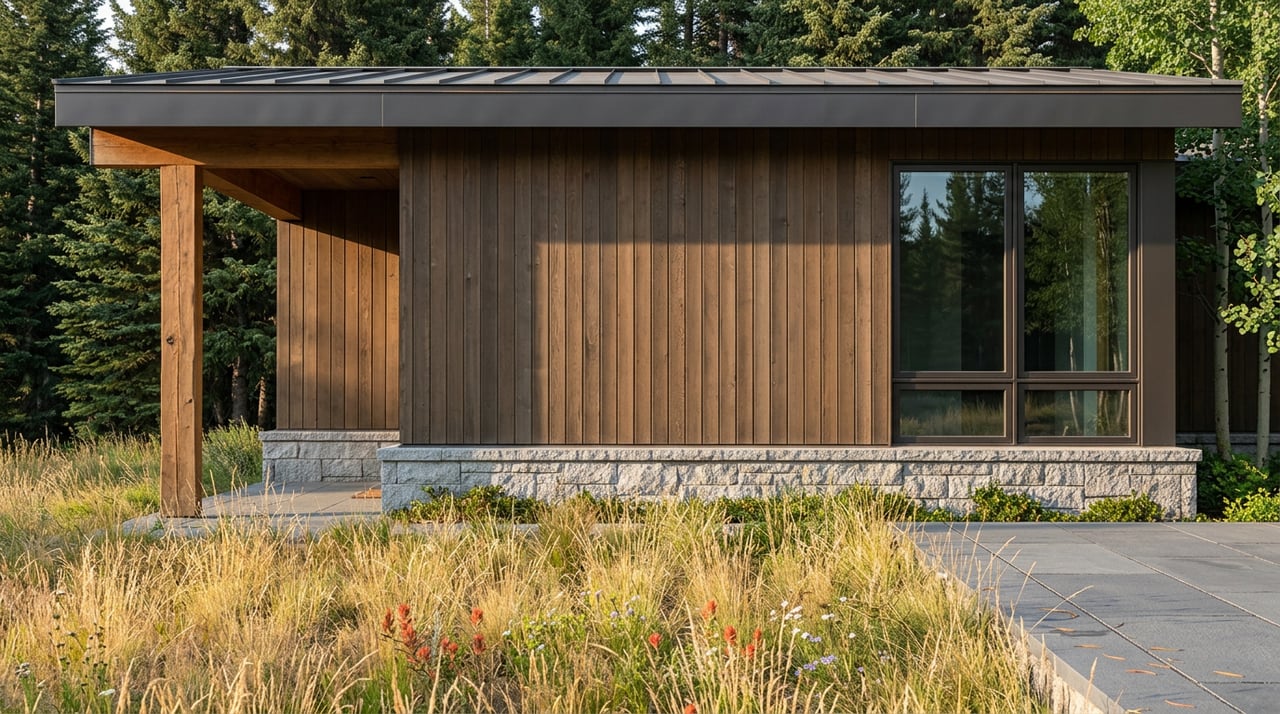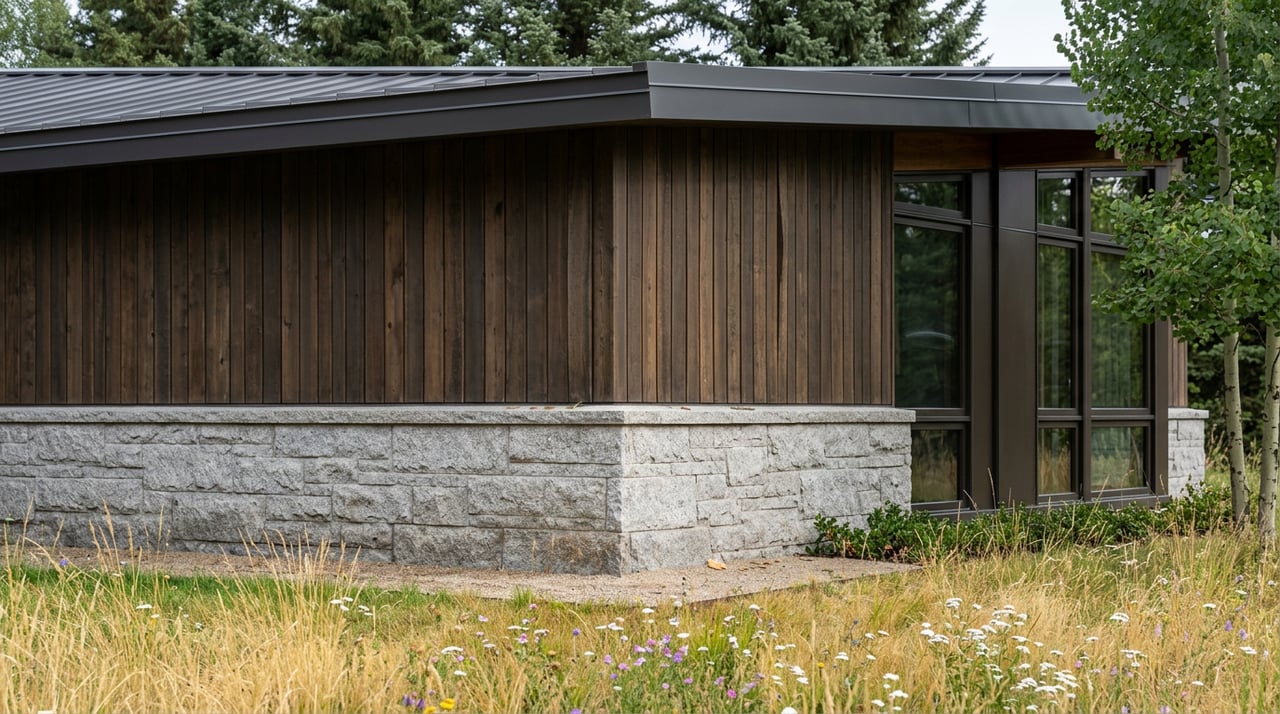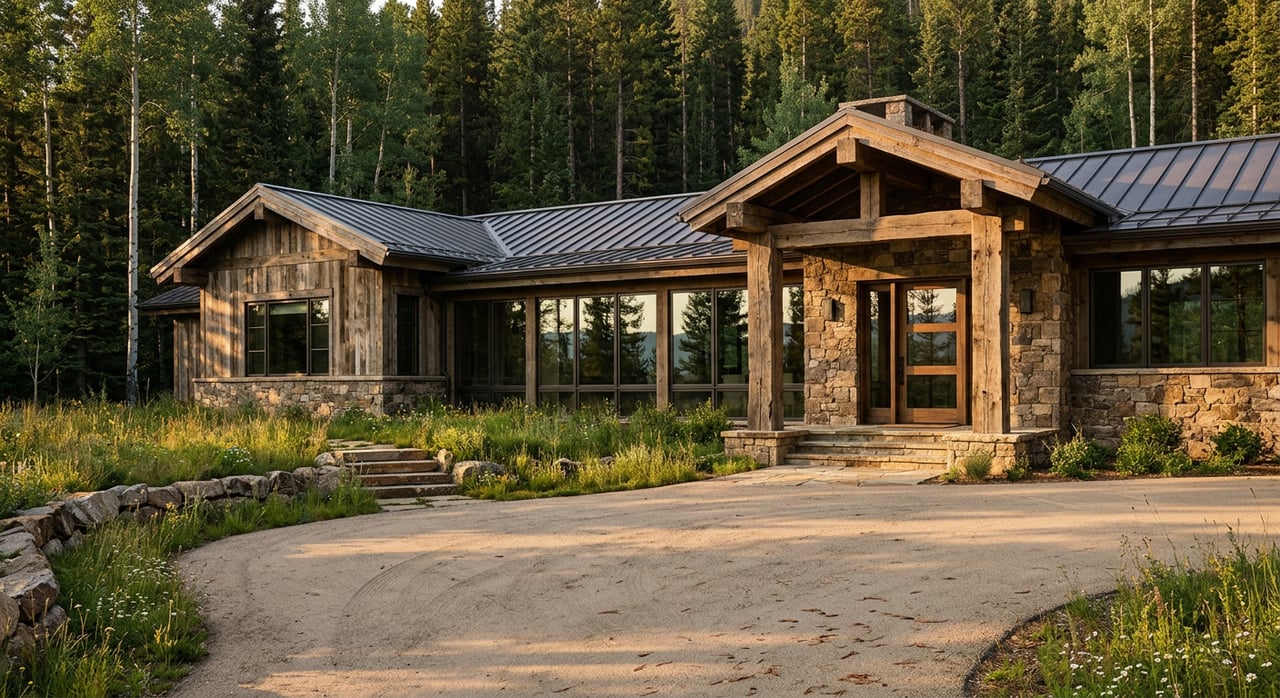
What if your backyard were thousands of acres of aspen, pine, and ski runs that stay wild by design? If you are considering a homesite in The Colony at White Pine Canyon, you are not just buying real estate. You are stepping into a role that blends privacy, access, and long-term stewardship. In this guide, you will learn how open space is protected, what day-to-day ownership looks like, and how to plan your due diligence and legacy approach with confidence. Let’s dive in.
The Colony at a glance
The Colony sits on the mountain above Canyons Village in Park City, in the Snyderville Basin. The master plan spans about 4,600 acres with roughly 274 homesites, and developer materials highlight that approximately 90% of the land is preserved as permanent open space. This conservation-forward framework shapes the lifestyle and the long-term value of ownership. You can see the community’s master-planning emphasis on open space in the project overview from the developer’s site in The Colony master-plan summary.
The vision dates to the 1990s, when developer Walt Brett and Iron Mountain Associates pursued large lots and low density instead of a dense resort village. The plan limited building envelopes and integrated ski connectivity into the natural terrain. For background on that intent, read Park City Magazine’s history of The Colony.
How open space stays protected
Recorded easements and perpetual open space
Open space in The Colony is not a marketing promise. It is implemented through recorded plat designations and easements such as “Perpetual Open Space,” “Ski Easement,” and “Lift and Ski Easement.” These instruments appear in subdivision plats and legal exhibits that document use rights and restrictions. For a window into the legal framework that supports ski access and land protections, see the SEC-filed lease exhibits that reference ski and open-space easements.
Planning controls and phase approvals
Subdivision approvals in the Snyderville Basin reference large building envelopes, slope limits, and density controls. Even small infill sub-phases, such as the “Last Chance” enclave, have been reviewed with explicit conditions that preserve the master-planning intent. You can see how county approvals reference development envelopes and settlement agreements in Snyderville Basin Planning Commission minutes.
Who monitors conservation protections
Permanent conservation easements are typically held by a municipality or an accredited land trust that monitors compliance and enforces terms. Locally, the Summit Land Conservancy and Park City Municipal Corporation have been tied to conservation projects on Iron Mountain. Their work underscores that monitoring and stewardship funding are real, ongoing responsibilities. Learn more from local reporting on Summit Land Conservancy’s efforts on Iron Mountain.
What ownership feels like day to day
Scale and privacy
Homesites in The Colony are often described as averaging 5 to 7 acres, with many parcels larger and some smaller. Spacing between homes, mature tree stands, and limited density create a quiet mountain experience. The landscape feels closer to a private ranch than a typical resort neighborhood. For an overview of lot scale and intent, review the community’s planning summary.
True ski connectivity
Many homes are designed for direct ski-in and ski-out living, with easements and runs linking properties to Park City Mountain terrain. These access rights are formalized on plats rather than handled informally. The legal structure supporting lift and ski connections is reflected in recorded exhibits and leases.
HOA services and operating budgets
The Colony is a gated community operated by an HOA that typically handles gate staffing, private roads, snow removal, and security. A clubhouse is in progress for newer phases. Annual HOA assessments for large estates are material, and property taxes on high-value parcels reflect the caliber of properties involved. Budgeting for these recurring costs is part of the ownership profile.
Use rules and quiet character
Many properties in The Colony are marketed as not allowing nightly or short-term rentals. That approach supports a private, non-commercial neighborhood feel. Rules vary by parcel, so you should confirm any restrictions directly in the recorded CC&Rs and HOA guidelines during due diligence.
Practical logistics for mountain living
Managing long drives and steep grades in snowy months, planning for backup power, and coordinating access for large construction projects are all part of ownership. Some listings note public water while other service details can vary by parcel. Expect to budget for year-round maintenance, snow strategy, and landscape management.
Stewardship as part of your legacy
Your responsibilities on the land
Stewardship blends legal constraints with practical land care. Building envelopes, open-space easements, and HOA rules may limit clearing, grading, and construction. On the ground, owners typically plan for aspen regeneration, invasive-species control, erosion management, and wildfire mitigation. Regional initiatives support this work. For example, Utah’s Watershed Restoration Initiative outlines projects in the Snyderville Basin that focus on fuels reduction and watershed health, as shown in this state project summary.
Conservation easements and stewardship funding
When a conservation easement exists, the holder will expect annual monitoring and baseline documentation. Stewardship is perpetual, and funding is not symbolic. Land trusts commonly request an endowment or other funding arrangement to cover monitoring and enforcement. Local reporting on Iron Mountain conservation confirms the cost and sustained effort involved in these protections. For context, review KPCW’s coverage of Summit Land Conservancy’s Iron Mountain work and guidance on typical stewardship costs in land-trust practice.
Practical ways to align ownership and conservation
- Coordinate with the HOA and the local land trust to keep parcel management aligned with easement terms and regional projects. Local organizations are active partners for monitoring and fuels-reduction work.
- If you plan to donate or negotiate an easement, size a stewardship endowment to the holder’s standards. Reference land-trust best practices for how endowments are structured and used. See stewardship funding arrangements explained.
- Consider a family stewardship fund or charitable vehicle to support ongoing land care, monitoring, and tax or estate planning.
Due diligence checklist for UHNW and legacy buyers
Use this list to streamline your pre-offer process. Ask for documents in writing and have counsel review them.
- Recorded plats and maps: Confirm lot boundaries, building envelopes, and all recorded designations such as “Perpetual Open Space,” “Ski Easement,” and “Lift and Ski Easement.” Recent planning approvals reference these instruments, as shown in Snyderville Basin Planning Commission minutes.
- CC&Rs and design-review guidelines: Verify rules for guest houses, exterior materials, vegetation clearing, and whether nightly rentals are prohibited. Get process timelines for architectural review.
- Easement holder and obligations: If an easement applies to your parcel, identify the holding entity and request the baseline documentation and recent monitoring reports. Local conservation partners and municipalities play defined roles, as seen in coverage of Summit Land Conservancy’s conservation work.
- HOA financials and reserves: Review the annual budget and reserve study. Look for line items tied to roads, snow management, security, and open-space stewardship. Confirm any planned assessment changes.
- Utilities and access details: Verify public water, sewer vs. septic, power capacity, and generator history. Check year-round access and snow-plowing agreements for your drive. County and assessor records are useful references, such as a Summit County property record page.
- Wildfire mitigation and environmental plans: Ask for HOA or county plans and past treatment maps. Regional project summaries outline fuels-reduction and watershed projects, such as this state watershed initiative report.
- Future phases and nearby land sales: Confirm how any adjacent parcels are governed and whether CC&Rs align. Recent approvals illustrate how small sub-phases integrate with the master plan in public planning records.
Sources of friction to plan around
- Trail access expectations: Public versus private use along nearby corridors can be sensitive. Gating and trespass concerns have surfaced on local private roads. If trail connectivity matters to you, confirm recorded public easements and rights of way. See reporting on a nearby neighborhood addressing trespassing with a gate.
- Stewardship costs: Monitoring and enforcement for conservation easements require reliable funding. Land trusts often request stewardship contributions. For clarity on structuring support, read about common stewardship funding approaches.
- Governance alignment: Small infill areas may need CC&R harmonization or settlement agreements to fit the broader master plan. Verify which HOA governs your parcel and how rules align, referencing county approval records.
Planning your first year on the land
- Meet with the HOA team to review CC&Rs, design-review timelines, and current wildfire mitigation plans.
- Walk your building envelope and access routes with your architect and builder to map construction logistics and winter operations.
- Commission a land management plan that covers fuels reduction, aspen regeneration, erosion control, and invasive-species monitoring.
- Confirm utility capacity and backup power. Align service contracts for snow removal, road maintenance, and seasonal inspections.
- If relevant, open a conversation with the local land trust or municipality about any easements or stewardship reporting on your parcel.
The takeaway
Owning land in The Colony means privacy, true on-mountain access, and the satisfaction of protecting a rare landscape. The same instruments that keep the community wild also guide what you can build and how you care for the land. With the right documents, budget, and partners in place, stewardship becomes a purposeful part of your family’s legacy.
If you are ready to explore a homesite or want to review how easements and open space intersect with your plans, connect with the on-site team. We offer developer-aligned guidance, technical support for custom builds, and private access to current and upcoming opportunities. Visit The Colony at WPC to Schedule a Private Tour.
FAQs
What does 90% open space mean in The Colony?
- Developer and county records describe a master plan of about 4,600 acres with roughly 274 homesites and approximately 90% preserved as permanent open space, implemented through recorded plat designations and easements.
How do ski easements work for homeowners in The Colony?
- Ski access and lift connections are formal rights documented on plats and legal exhibits, which means many homesites have true ski-in and ski-out connectivity tied to recorded easements rather than informal agreements.
Are short-term rentals allowed in The Colony?
- Many listings indicate short-term rentals are not allowed, but the authoritative source is the recorded CC&Rs and HOA rules for the specific parcel, which you should review during due diligence.
What ongoing costs should owners expect beyond the purchase price?
- Owners typically budget for substantial HOA assessments, property taxes on high-value estates, year-round road and snow management, utility capacity and backup power, and land stewardship such as wildfire mitigation and habitat care.
How can I contribute to long-term conservation at The Colony?
- Coordinate parcel management with the HOA and local conservation partners, and if you plan an easement donation, discuss a stewardship endowment that supports annual monitoring and potential enforcement needs in perpetuity.