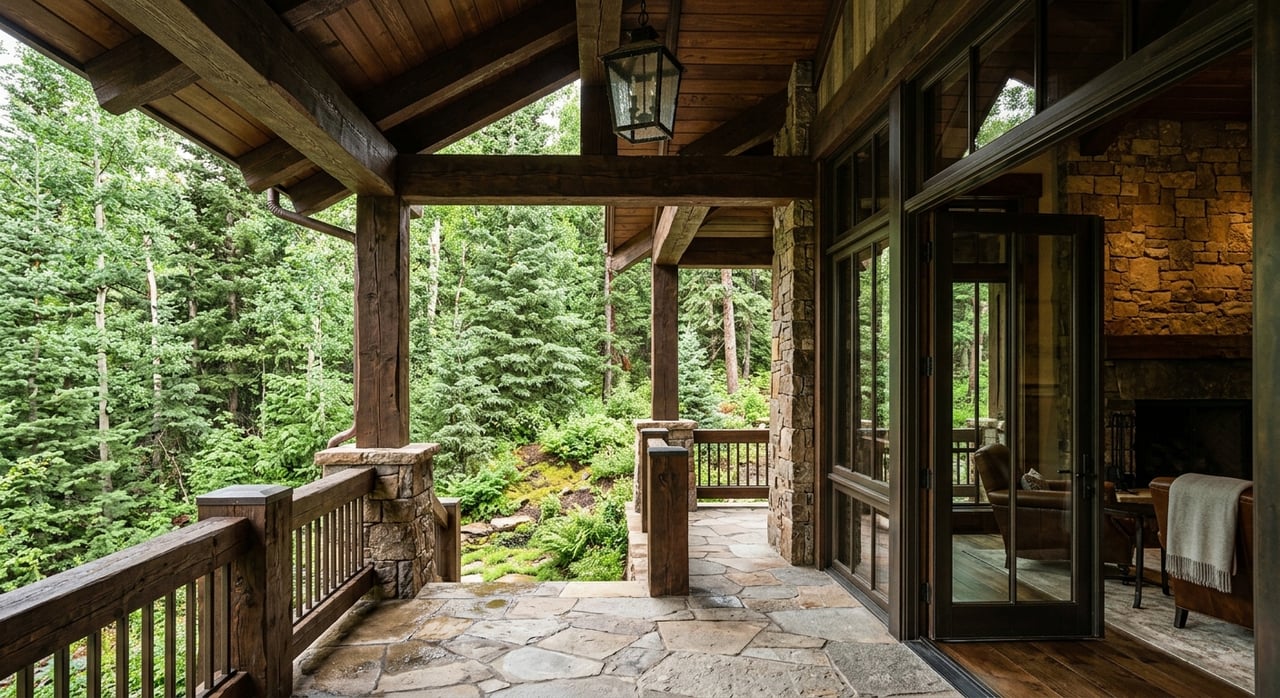
Building a custom home in The Colony at White Pine Canyon is exciting, but it is also a process that rewards careful planning from the very beginning. If you are considering a homesite here, you are likely thinking beyond a simple purchase and toward a long-term mountain retreat shaped around your lifestyle, your land, and the setting itself. This guide will help you understand how the build process works, what approvals to expect, and which early steps can make your experience smoother and more informed. Let’s dive in.
Start With The Homesite Framework
At The Colony, your homesite is not just a blank canvas. According to The Colony HOA, the community spans 4,600 acres in White Pine Canyon with a master-planned approach that preserves substantial open space and organizes homesites within a larger mountain landscape.
Each homesite is divided into three key zones: the development envelope, the driveway corridor, and the natural open space zone. Under the design guidelines, structures and site improvements are generally expected to stay within the development envelope, while the natural open space zone is protected from development activity except for land and ranch management. That framework matters because it shapes where your home can sit, how it relates to the land, and what is realistically possible before design even begins.
The community guidelines also note that a conceptual site analysis diagram was prepared for each homestead, and comprehensive site analysis diagrams are available for review before purchase. For buyers, that creates an important opportunity to evaluate the lot in practical terms before committing to a design direction.
Engage Your Team Early
One of the most important decisions you can make is when to assemble your design team. The Colony’s design guidelines are clear that the pre-planning meeting should happen after your design team is selected and before conceptual plans are drawn.
That means your architect should be involved early, not after you have already formed fixed ideas about the house. The guidelines require a licensed architect familiar with mountain design for any project involving structures, and they also encourage the use of a landscape architect. In a setting like White Pine Canyon, that early expertise can help you respond to terrain, access, snow, views, and the development envelope in a way that supports a smoother review process.
If you are still in the decision stage, prospective buyers may also seek non-binding pre-purchase input from SARC. That can be especially useful when comparing homesites or trying to understand how a particular building program may fit a lot.
Understand The Review Process
Design review at The Colony is detailed and structured. It is also additive to Summit County review, which means HOA approval does not replace county approval.
The Colony uses a three-step SARC review process:
- Pre-planning meeting
- Conceptual design review
- Final plan review
For both conceptual and final review, the guidelines require three weeks’ notice and a complete package one week before the meeting. After conceptual review, SARC provides a written response within one week. After final review, SARC must approve, conditionally approve, or deny the submission within 14 days.
The guidelines advise owners to expect a minimum 12-week full review process. In practical terms, that means design timing should be built into your purchase and planning strategy from the start, especially if you hope to align approvals with a seasonal construction window.
Know That County Review Is Separate
It is easy to assume that once a design is approved internally, construction can move ahead. In reality, Summit County has its own review role.
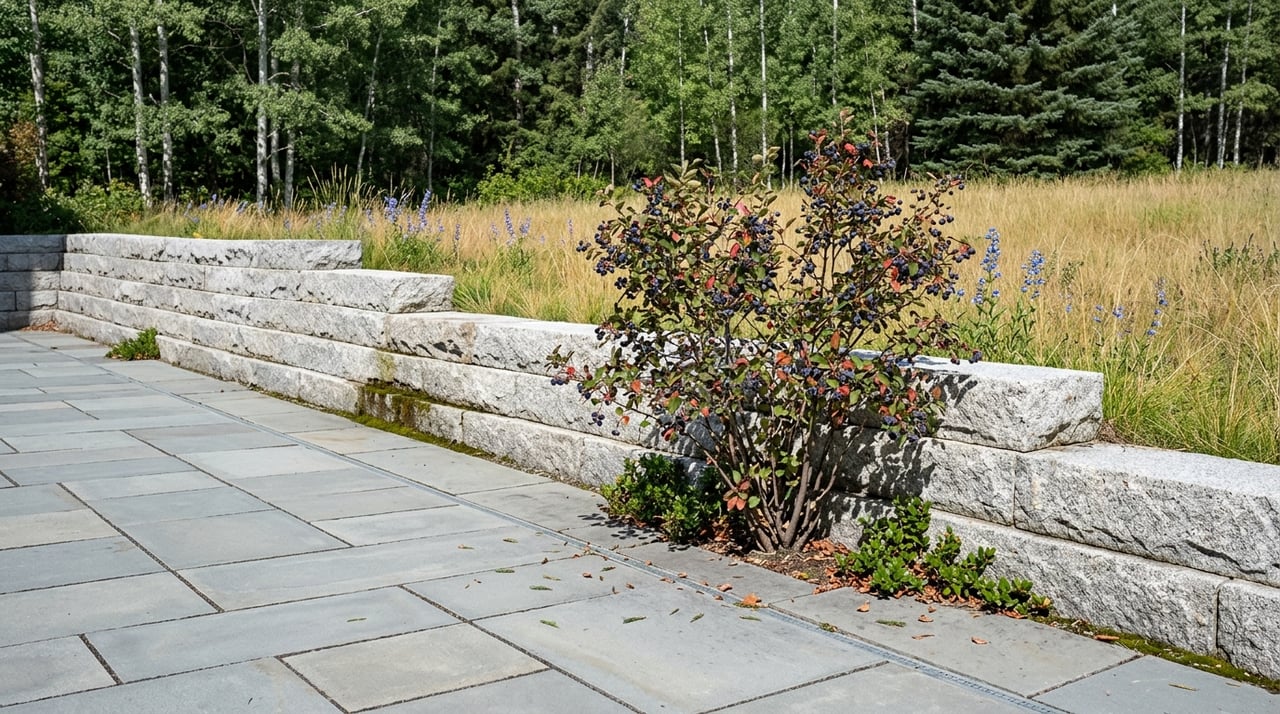
According to Summit County Engineering, the county reviews and supervises residential and commercial development projects, while the building department handles matters such as snow loads, easements, retaining walls, and heated driveways. For custom homes in a mountain environment, those are not small details. They can affect engineering, cost, site planning, and build sequencing.
This is one reason due diligence should include both community-level review requirements and county-level technical review. Looking at only one side of the process can create avoidable delays later.
Design Around The Landscape
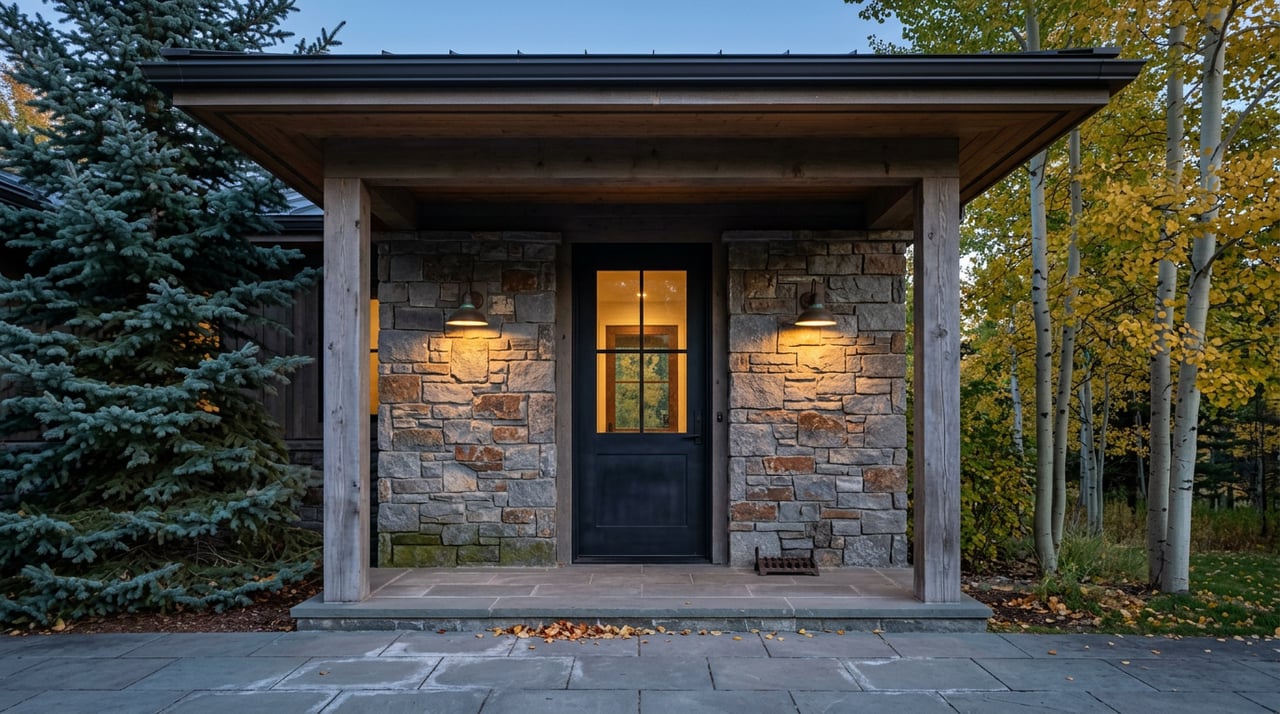
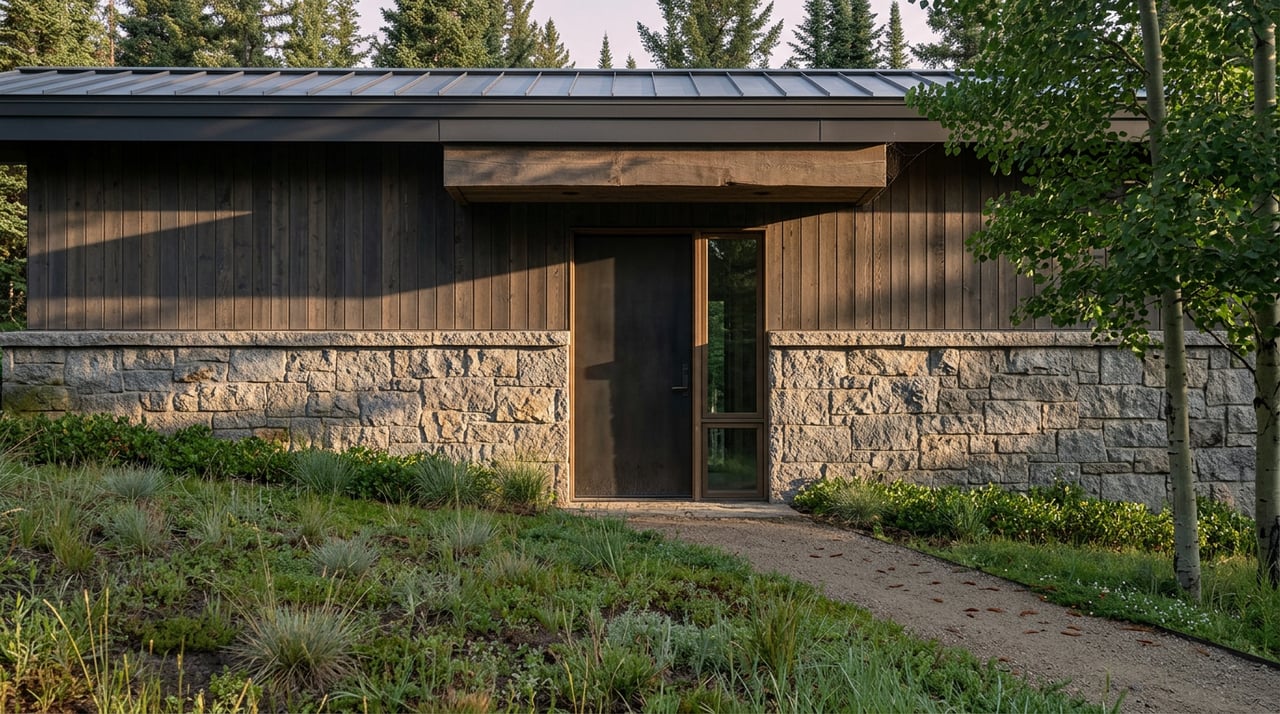
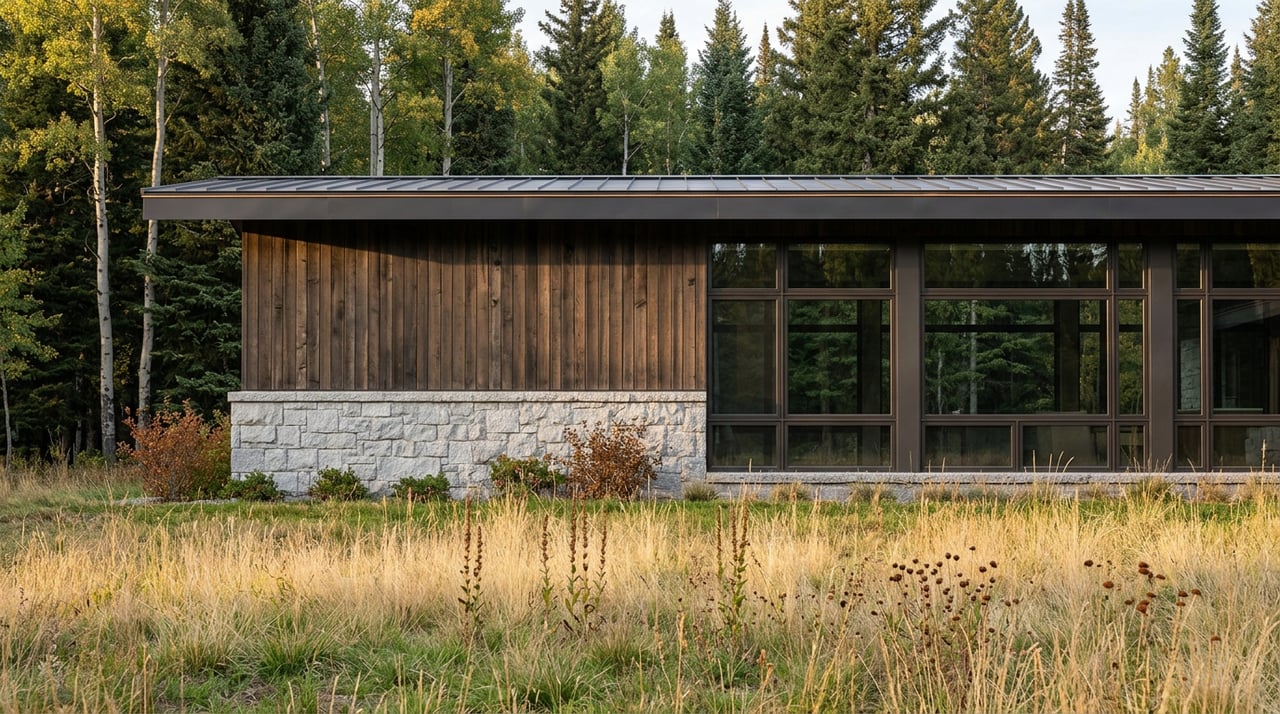
The architectural intent at The Colony is to keep the home subordinate to the mountain landscape. That principle shows up throughout the design guidelines and should influence the project from the first sketches onward.
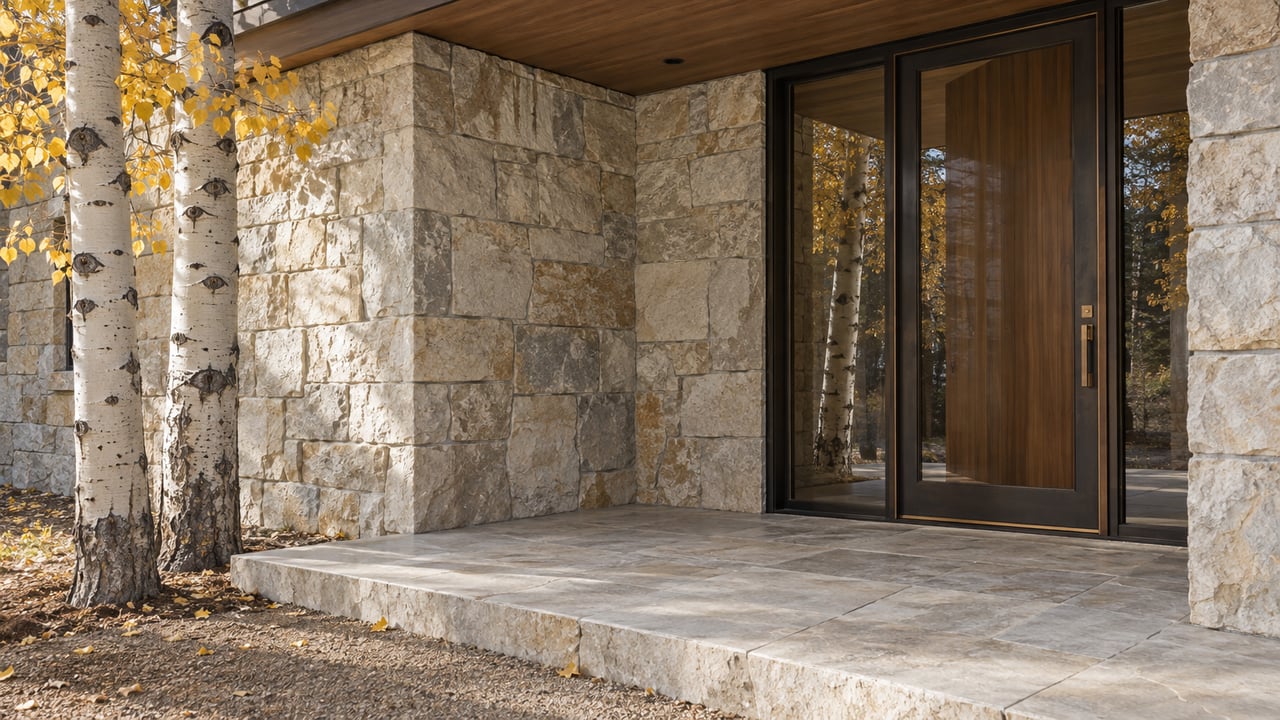
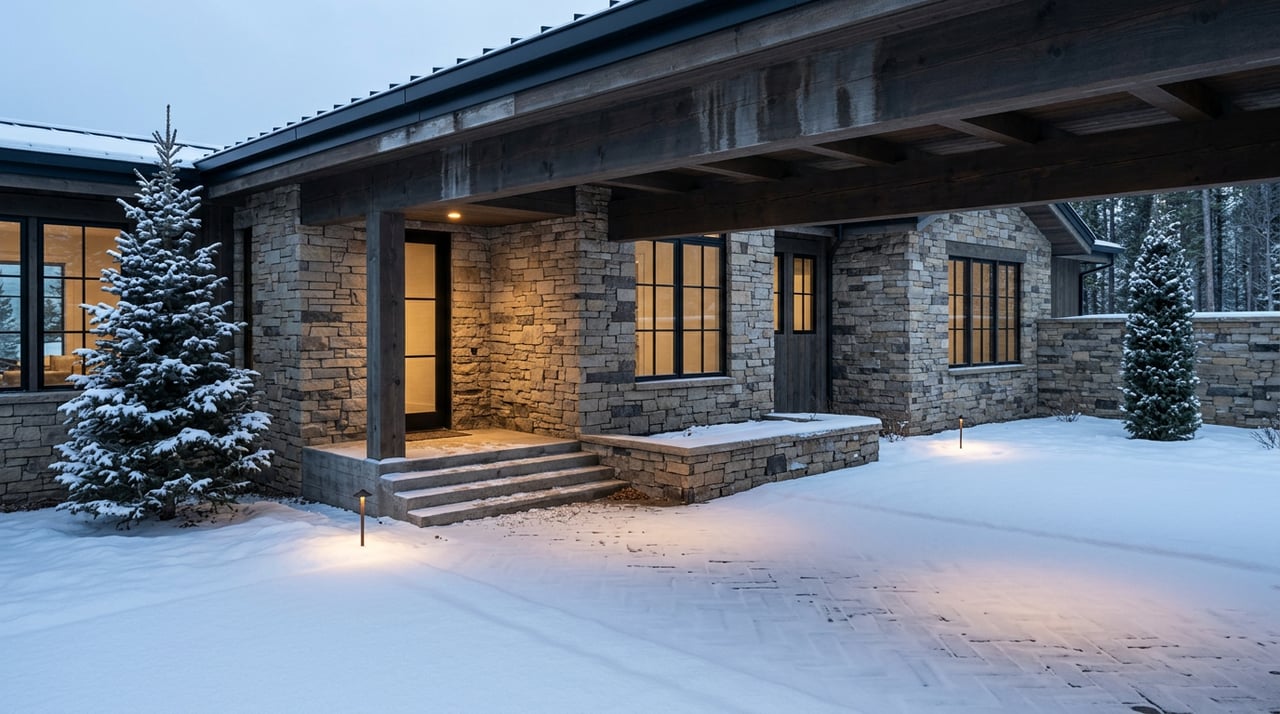
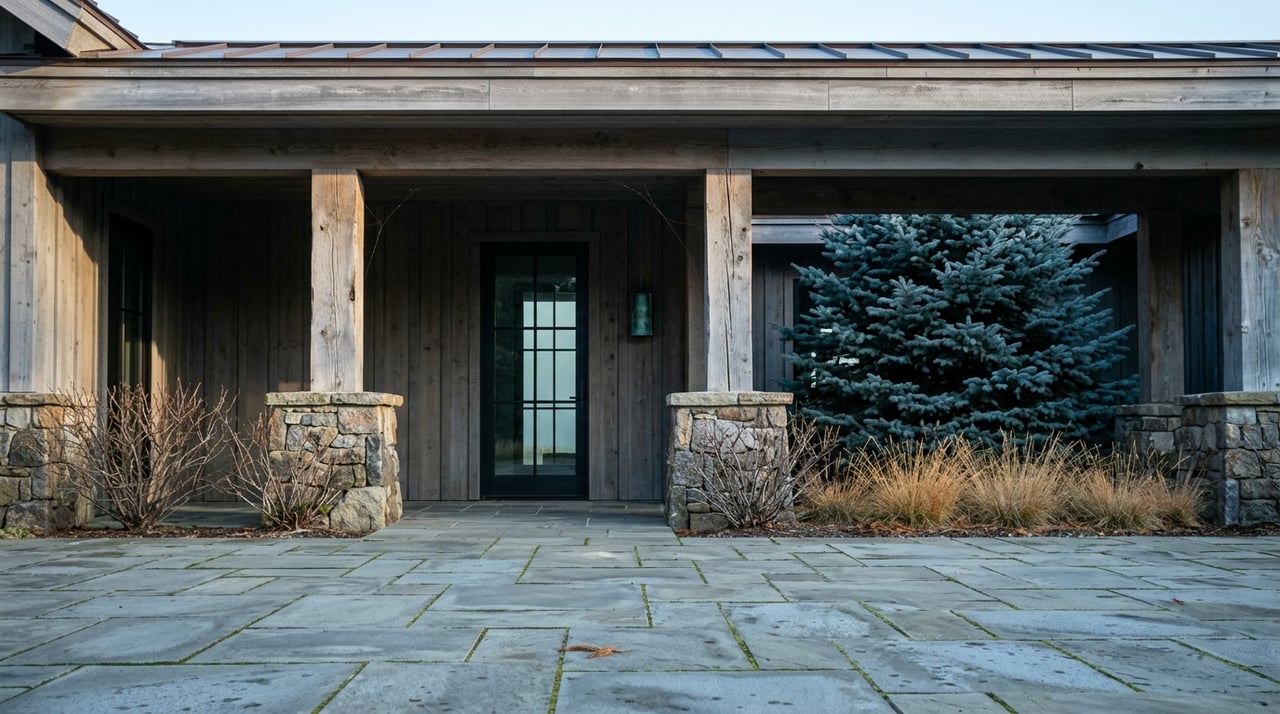
The guidelines call for durable foundation materials such as masonry, stone, or heavy timbers. They allow natural wood, stone, and logs as primary exterior materials, discourage synthetic or imitation claddings, and do not allow mirrored glass. Roofs and facades are also expected to break up large masses, avoid long ridgelines, and use non-reflective materials.
There is also a general maximum building height of 32 feet, with lower heights on flatter sites. So while the homes here can be substantial, the community’s design standards are focused on compatibility with the terrain and visual restraint rather than oversized forms that dominate the setting.
Confirm Size And Program Early
One of the most common buyer questions is how large a custom home can be. According to The Colony at White Pine Canyon FAQ, there is no minimum or maximum size requirement for the main house.
That said, size alone does not determine what is feasible on a given parcel. The building envelope, topography, access, lot-specific constraints, and review standards all shape what can actually be designed and approved. The same FAQ states that the guest house footprint cannot exceed 2,500 square feet, and accessory buildings are allowed.
For many buyers, the smarter approach is to start with the site and the approval framework, then tailor the program to fit. That usually leads to a design that works better both aesthetically and procedurally.
Watch For Lot-Specific Restrictions
Not every homesite follows the exact same rules. The design guidelines identify additional requirements for some Pinecone Lots and Upper Meadow Lots, including rules related to ridgeline setbacks, building height, tree removal, and view-sensitive design.
The guidelines also state that on some lots, a Low Impact Permit must be processed before a building permit can be issued for the main home, guest home, or accessory buildings. This is why early review of the plat, appendix materials, and lot-specific restrictions is so important.
Before you finalize your plans, make sure you understand:
- The exact development envelope location
- The driveway corridor layout
- Any lot-specific appendix requirements
- Whether a Low Impact Permit applies
- Site analysis and survey details
These details can directly affect massing, placement, construction timing, and budget.
Plan For Construction Logistics
In a community like The Colony, construction planning is about more than the house itself. Site logistics, seasonal access, and mitigation requirements all matter.
The final review package commonly includes items such as a construction mitigation plan, erosion-control plan, snow-removal and storage plan, landscape materials, and actual material samples. Tree removal and vegetation changes also require SARC approval.
The construction rules further restrict work hours, prohibit Sunday and certain holiday construction, and close ski trails to construction activity, including seasonal limits where work would affect the trail. In practical terms, winter conditions and trail-related access restrictions can materially influence the overall build timeline.
A Practical Due Diligence Checklist
If you are evaluating a homesite for a future custom build, it helps to think in sequence. The official materials consistently point toward a few early checkpoints that can reduce uncertainty.
Here is a practical checklist to use before moving too far into design:
- Review the homesite’s survey and conceptual site analysis
- Confirm the development envelope and driveway corridor
- Identify any lot-specific appendix rules or overlays
- Select an architect familiar with mountain design
- Schedule SARC pre-planning before conceptual drawings begin
- Understand separate Summit County review requirements
- Evaluate construction timing, access, and seasonal limitations
- Confirm whether prior approvals, if any, remain valid
This last point matters because final-plan approvals expire after two years if construction has not started. The guidelines also state that approved plans do not automatically transfer to a buyer unless the association receives explicit written permission from both the seller and architect.
Why Guidance Matters In The Colony
A custom home here is shaped by more than square footage or finishes. It is shaped by the land, the envelope, the design standards, the review process, and the timing of approvals. That is exactly why informed guidance matters at the very beginning.
When you understand the framework early, you can make better decisions about lot selection, design scope, and timeline expectations. You can also approach the process with more confidence, knowing that your plans are grounded in the actual rules and realities of building in White Pine Canyon.
If you are exploring homesites or planning a custom build, The Colony at WPC can help you evaluate opportunities, understand lot-specific considerations, and take the next step with clarity and discretion.
FAQs
What is the development envelope in The Colony at White Pine Canyon?
- The development envelope is the portion of the homesite where structures and most site improvements are intended to be placed under The Colony’s design guidelines.
How long does custom home design review take in The Colony at White Pine Canyon?
- The guidelines advise owners to expect a minimum 12-week full SARC review process, assuming submission requirements and notice periods are met.
Do you need Summit County approval for a custom home in The Colony at White Pine Canyon?
- Yes. The Colony’s design review is separate from Summit County review, so community approval does not replace county engineering and building review.
Is there a size limit for the main house in The Colony at White Pine Canyon?
- According to The Colony FAQ, the main house has no minimum or maximum size requirement, but the lot’s envelope, terrain, and review standards still shape what can be approved.
Can you build outside the envelope in The Colony at White Pine Canyon?
- The default rule is that structures and site improvements belong inside the designated development envelope unless SARC approves otherwise.
When should you hire an architect for a custom home in The Colony at White Pine Canyon?
- You should hire your architect before conceptual plans are drawn, since the pre-planning meeting is intended to happen after the design team is selected.
Are there lot-specific building restrictions in The Colony at White Pine Canyon?
- Yes. Some homesites, including certain Pinecone Lots and Upper Meadow Lots, may have additional requirements related to setbacks, height, tree removal, view-sensitive design, or permitting.
Do approved custom home plans transfer with the sale of a lot in The Colony at White Pine Canyon?
- Not automatically. The guidelines state that approved plans do not transfer to a buyer unless the association receives explicit written permission from both the seller and the architect.