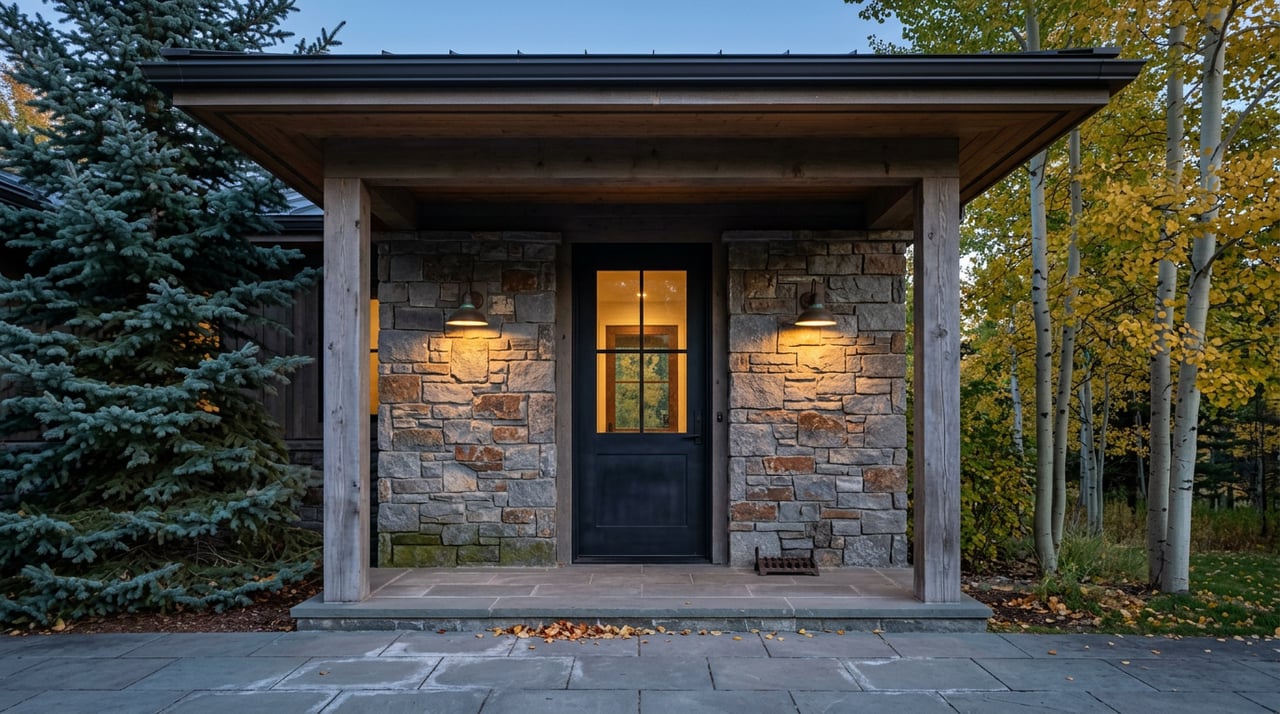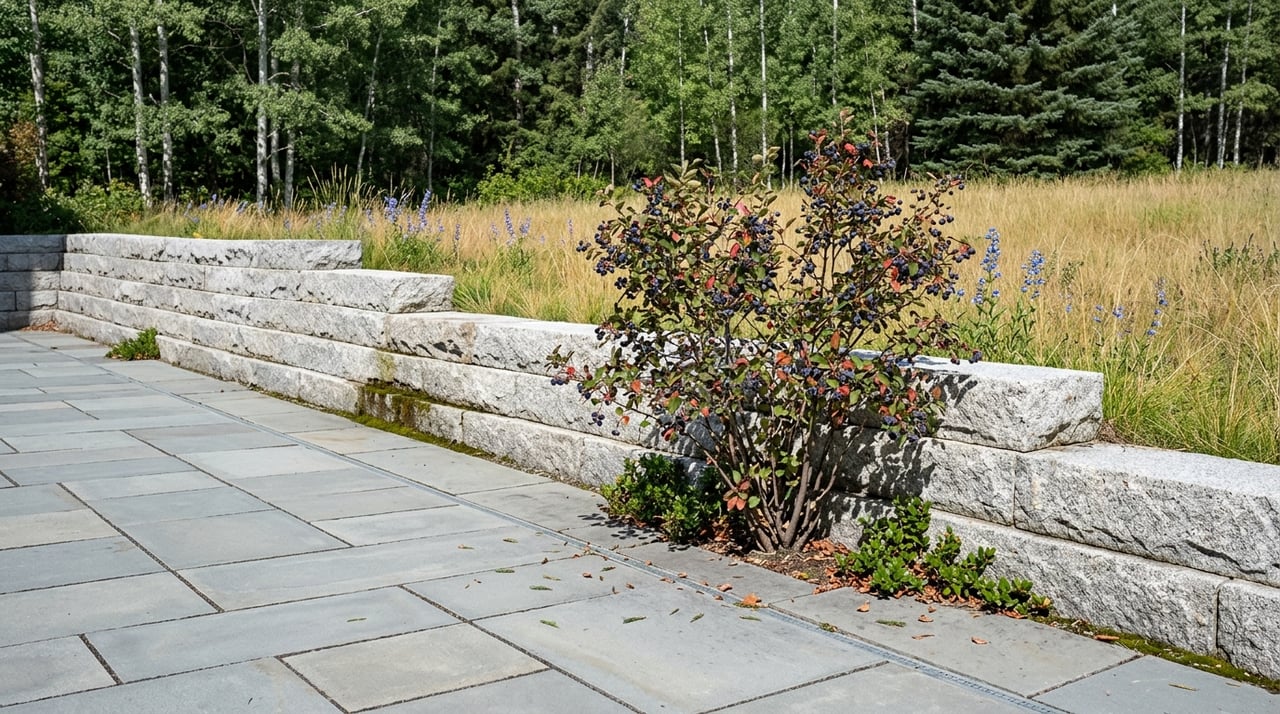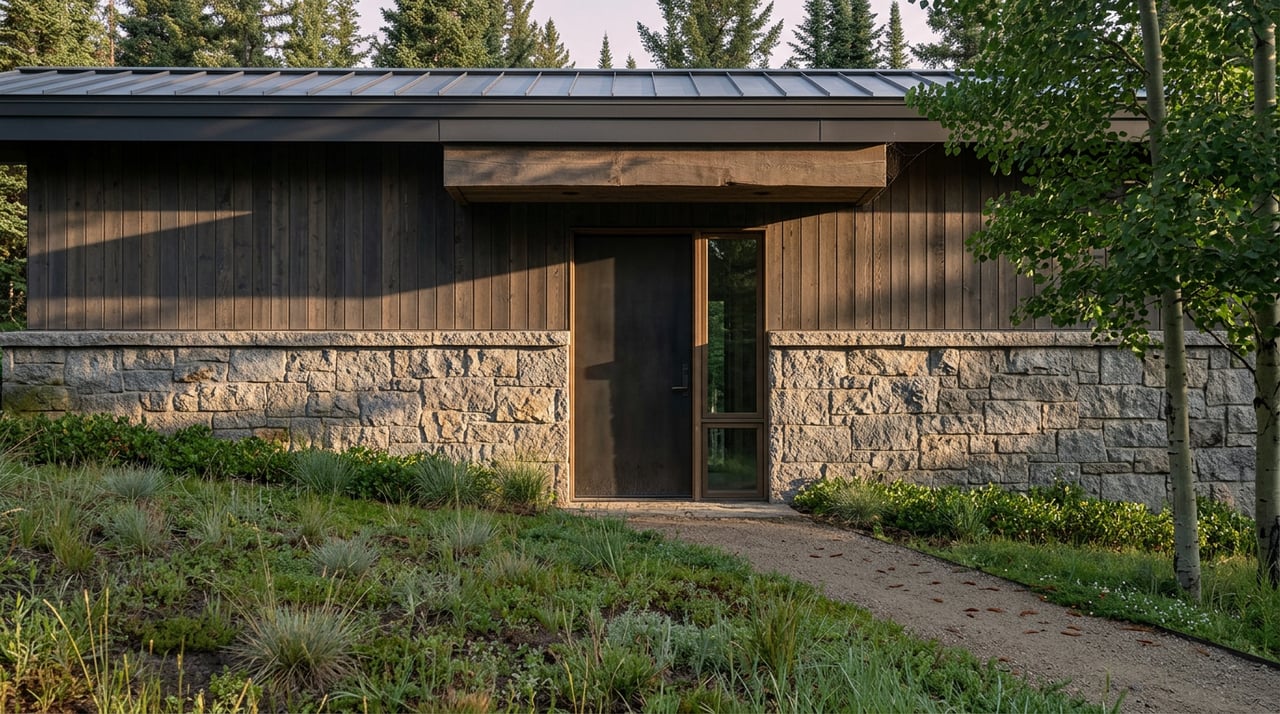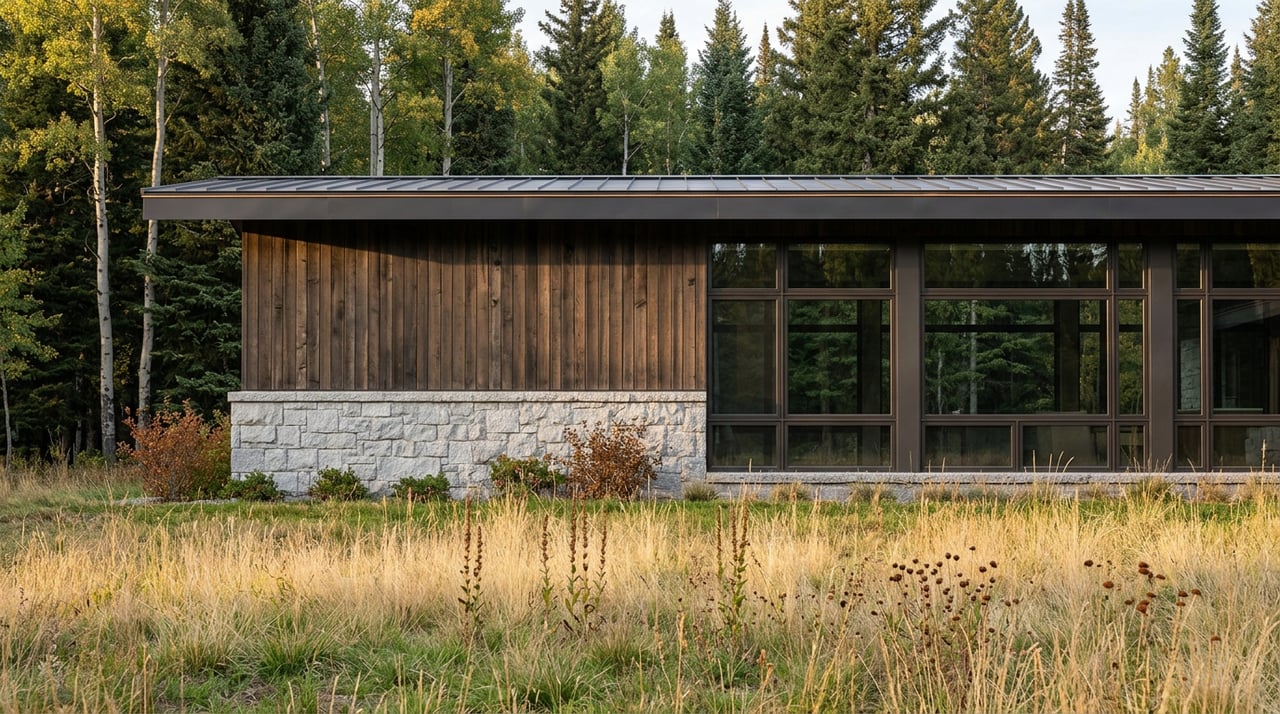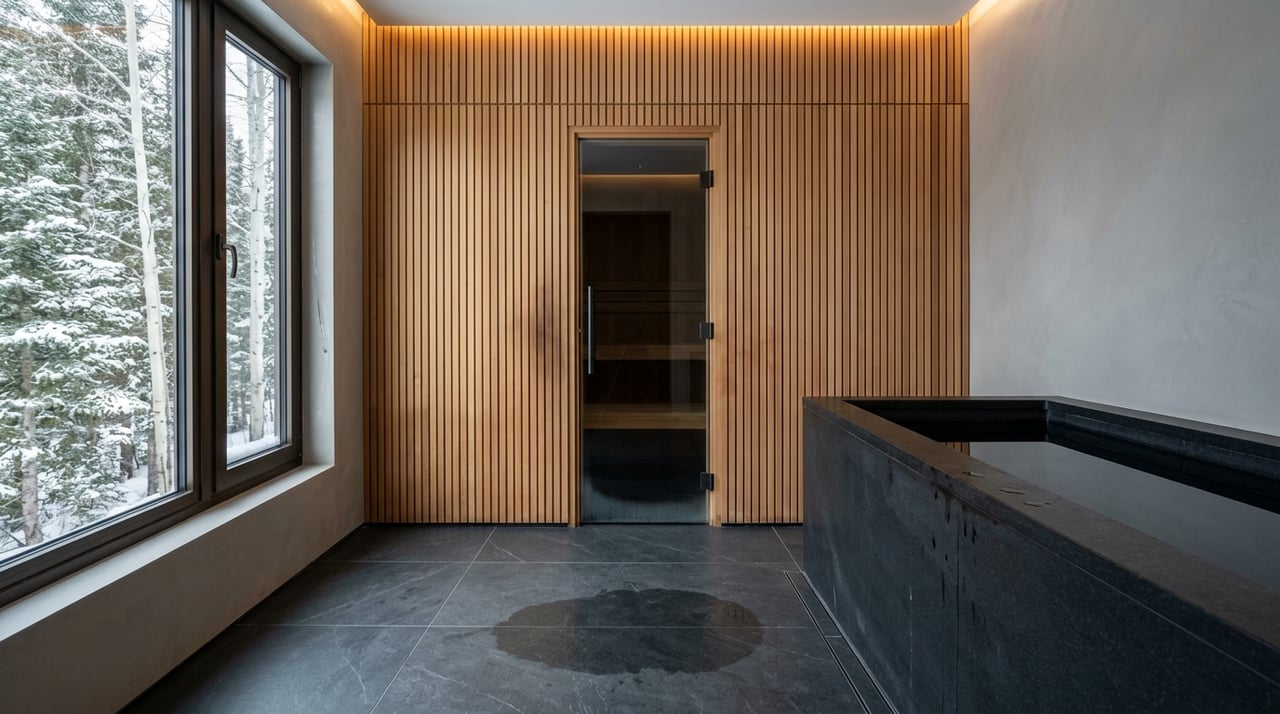
If you are planning a home that brings children, parents, and guests together under one mountain roofline, design matters as much as square footage. In The Colony at White Pine Canyon, a multi-generational estate needs to do more than feel spacious. It should support privacy, comfort, and long-term flexibility while fitting the land and the community’s design framework. This guide walks you through the key design ideas, site constraints, and planning priorities that can help you shape a lasting family compound. Let’s dive in.
Start With the Land
The Colony is not a typical luxury community. It spans roughly 4,600 acres with about 274 homesites, and community materials state that about 90% of the land is preserved as permanent open space through preservation easements. That larger conservation framework shapes how a home should sit on its lot and how a family estate comes together over time.
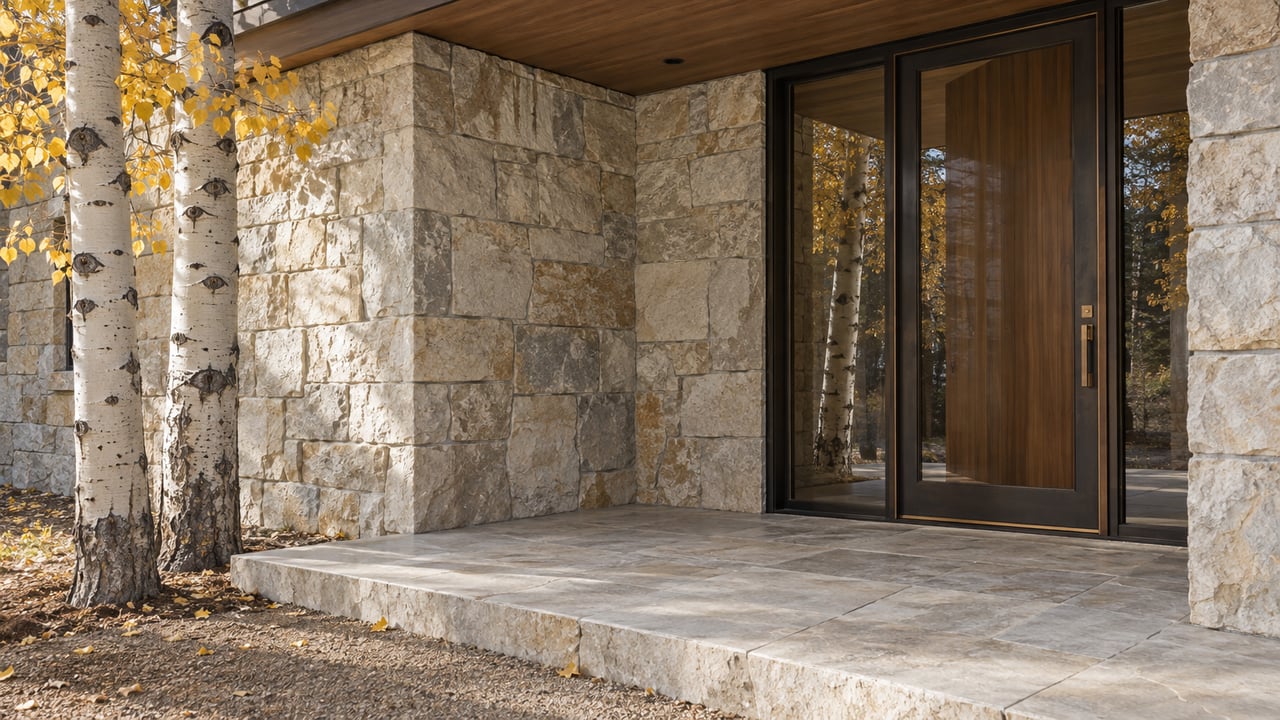
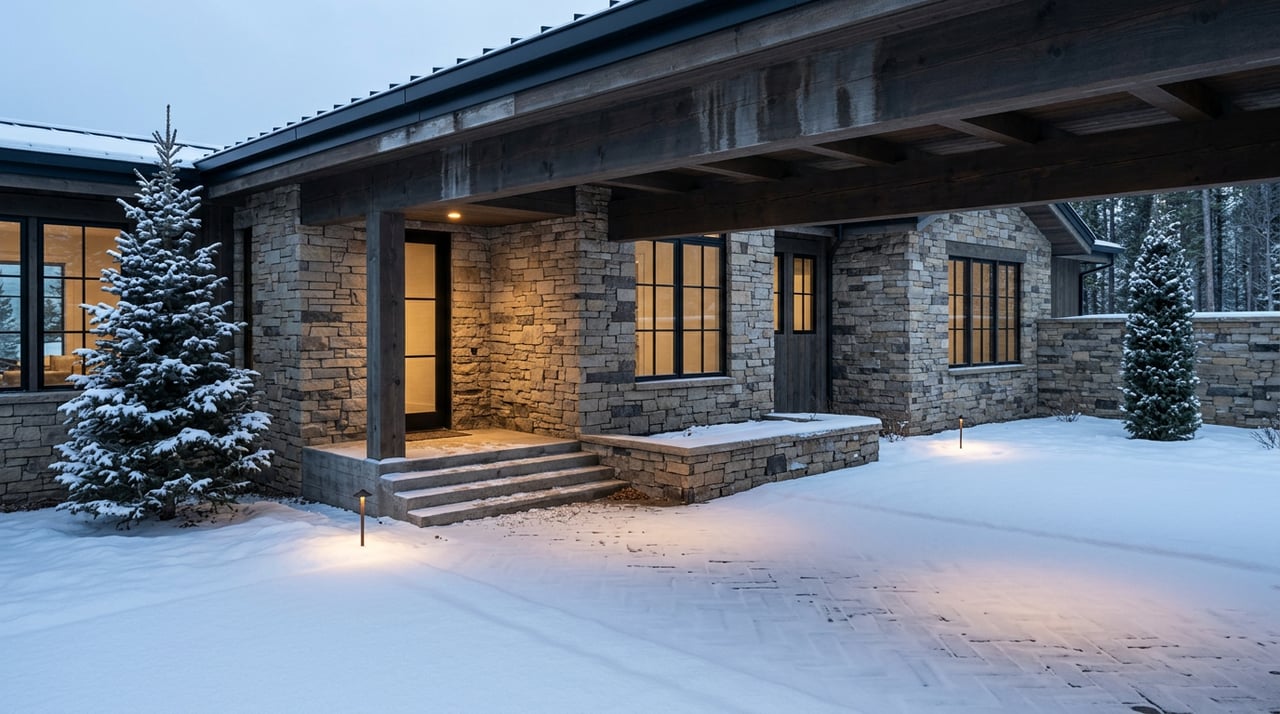
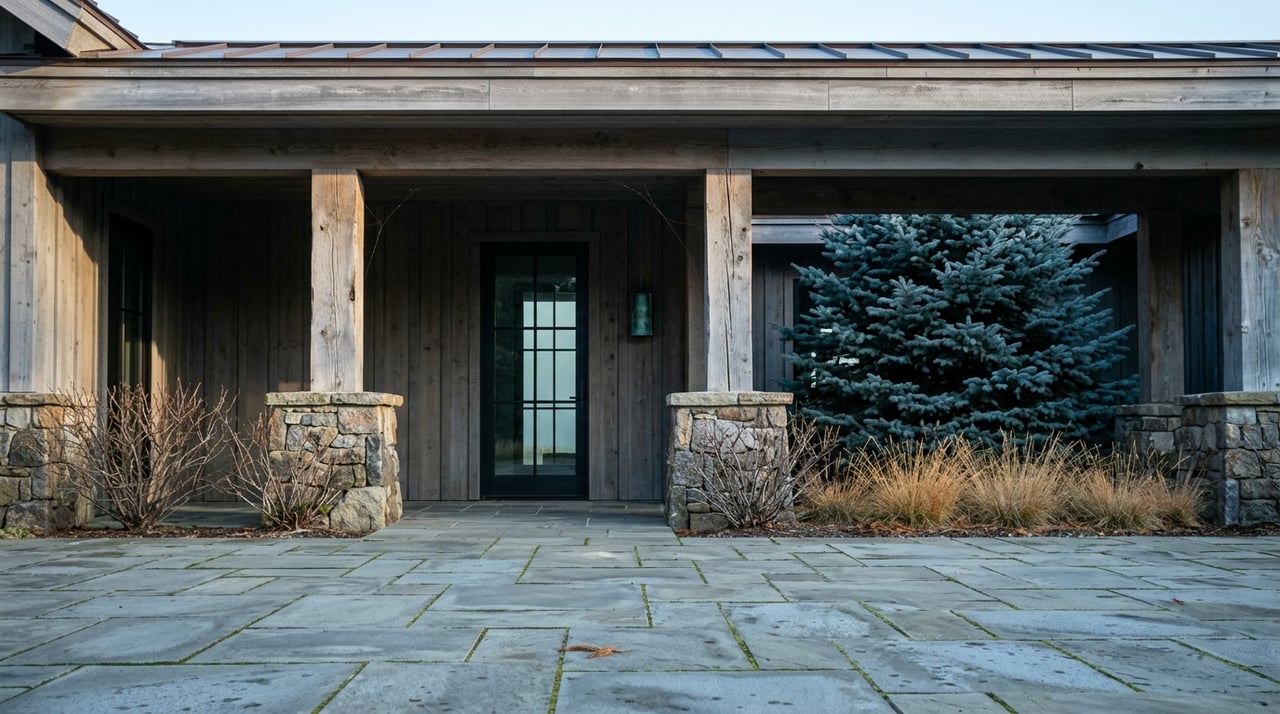
For you, that means the strongest multi-generational plan usually begins with restraint. Instead of spreading functions across the site, The Colony’s guidelines favor a clustered layout that responds to natural topography, mature trees, and rock outcroppings. The goal is a homestead that feels placed in the mountain landscape, not imposed on it.
Build Around Separation and Connection
A successful multi-generational estate usually balances two needs that can seem opposite at first. Your family wants shared spaces that bring everyone together, but you also want enough separation for quiet mornings, late arrivals, and different daily rhythms.
In The Colony, that often translates into a primary residence paired with a guest house or accessory structure, plus indoor-outdoor gathering areas that connect the whole compound. The community guidelines permit a single-family home, a guest house, barns and accessory outbuildings, caretaker quarters, pools and spas, approved fencing, and low-level site lighting within the development envelope.
That structure gives you room to plan for grandparents, adult children, frequent visitors, or long holiday stays without making the property feel crowded. It also supports a more graceful kind of family living, where togetherness is always available but privacy is never far away.
Know the Development Envelope Rules
One of the most important design concepts in The Colony is the development envelope. In general, all structures and site improvements except the driveway must stay inside it. That includes the main residence, guest house, accessory buildings, dog runs, gardens, lawns, paved areas, pools, and recreation spaces.
The guidelines also cap total site coverage inside the envelope at 20,000 square feet. That count includes structures, terraces, decks, patios, paved recreation areas, and hard-surfaced parking. On the largest homesteads, exceptions may be considered, but total site coverage still may not exceed 40,000 square feet.
For a multi-generational estate, this matters early. Your outdoor dining terrace, pool deck, arrival court, and family patio are not separate from the planning equation. They are part of the same site budget, so each one should earn its place.
Phase a Legacy Compound Thoughtfully
Many families do not want to build everything at once. That can work well here because The Colony guidelines state that a main home, guest home, and or barn may be built in any sequence. This gives you flexibility if you want to secure a homesite now and phase improvements over time.
That phased approach can be helpful for legacy planning. You might begin with a main residence designed for current use, then add a guest house later as your family grows or your hosting needs change. The key is to think about the final estate plan from the start so circulation, views, and outdoor living areas still feel coherent in every phase.
Prioritize Main-Level Comfort
Multi-generational design is no longer just about adding more bedrooms. Current buyer preferences highlighted by NAHB and universal design guidance from AARP point toward homes that are easier to use across age groups and stages of life.
Some of the most requested features include:
- A full bath on the main level
- Wider doorways and wider hallways
- Non-slip flooring
- An entrance without steps
- Walk-in showers
- Reachable everyday spaces such as kitchen, laundry, and bedroom areas on a primary living level
In practical terms, this means your estate should feel comfortable for everyone without looking overly specialized. A zero-step entry, a quiet guest suite on the main level, and a generous bath with a curb-less shower can support both day-to-day ease and long-term livability.
Design Guest Space as a Real Retreat
Guest accommodations often make or break a multi-generational home. In a setting like The Colony, a guest house should feel intentional, not leftover. The best examples use a simple layout with clear independence, comfortable sleeping arrangements, and easy access to shared outdoor areas.
The community guidelines permit a guest house with a footprint capped at 2,500 square feet. Within that limit, you can still create a highly functional retreat. Open living and kitchen space, one or more bedrooms, a bunk room program within the allowed building, laundry, and a porch or terrace can go a long way toward making extended stays feel natural.
This is especially useful for holiday gatherings and summer visits. Different generations can keep their own schedule while still feeling connected to the main home and the landscape around it.
Make Outdoor Living Part of the Core Plan
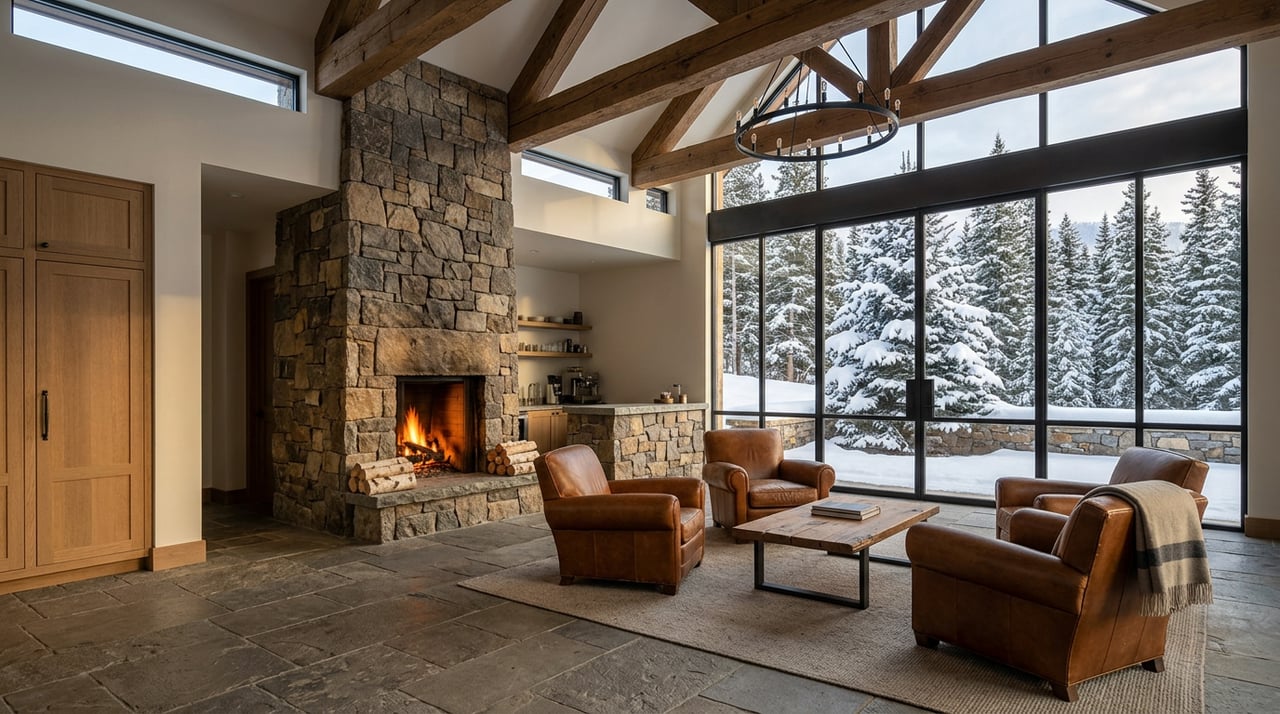
Outdoor living is central to how a mountain estate works. NAHB research shows strong buyer demand for patios, decks, porches, and exterior lighting, and interest in outdoor kitchens, fireplaces, and built-in grills rises with price point. In The Colony, these spaces should be planned from the beginning, not added at the end.
That is partly a design issue and partly a rules issue. Outdoor dining courts, fire features, pools, and gathering terraces belong inside the development envelope, where they can be reviewed as part of the approved site plan. Because they count toward site coverage, they should be organized as core living spaces that support the way your family actually uses the property.
A strong plan might include:
- A protected arrival court
- A main terrace linked to kitchen and great room spaces
- A quieter secondary patio near guest quarters
- A spa or pool terrace positioned for privacy and sun
- Paths that connect the structures without overbuilding the site
Respect the Mountain Setting
The Colony’s standards strongly favor architecture that responds to the land. Buildings should preserve mature forest stands and rock outcroppings where possible, with siting and massing shaped by the natural setting. The guidelines reference a county height standard of 32 feet, measured from natural or finished grade, whichever is lower, and note that lower-profile massing may be encouraged on more visible sites.
This is one reason multi-structure compounds often work so well here. A clustered arrangement can reduce visual impact and allow the home to step with the terrain. It can also create more sheltered outdoor rooms and a more natural transition between architecture and landscape.
Some homesites, especially Pinecone and Upper Meadow lots, may carry additional restrictions tied to setbacks, height, tree removal, and view-sensitive design. If you are evaluating land for a family estate, those details should be part of your earliest due diligence.
Plan Driveways, Parking, and Arrival Early
Arrival is a major part of the daily experience, especially for large families and guests. In The Colony, driveways are treated as design elements, not just utility infrastructure. The guidelines recommend locating them to minimize cuts and fills, with a recommended maximum 8% gradient and a 15-foot minimum width.
Parking requirements also matter. The guidelines require one parking space per bedroom, with at least two covered spaces. For a multi-generational estate, that can influence where you place garages, motor courts, and guest parking, especially if you want the approach to feel calm and understated rather than overly paved.
The guidelines also caution against excessive impervious surfaces and suggest gravel or pavers over porous settings where possible. That is another reason to coordinate site planning, architecture, and landscape design as one unified process.
Use Landscape as a Stewardship Tool
At The Colony, landscape is about more than appearance. The guidelines require native, low-water plant species outside the development envelope and strongly recommend them within it. They also limit new planting and vegetation removal outside the envelope or driveway corridor unless approved, and living tree removal generally requires SARC approval.
For your family estate, that means the landscape plan should work with existing meadows, forest edges, and mature trees rather than trying to remake them. Outdoor recreation and entertaining spaces can still feel refined, but they should support the site’s natural character. Disturbed areas should also be revegetated promptly, and natural drainages should be maintained.
Treat Lighting as Part of the Architecture
Nighttime use is a real design issue in a mountain compound. The Colony’s guidelines favor low-profile, shielded fixtures and reference dark-sky principles. Summit County also states that outdoor bulbs in Park City and unincorporated Summit County must be fully shielded, down-directed, and 3,000K or less as of December 31, 2024.
If you are thinking about hot tubs, path lighting, patios, or an arrival sequence, lighting should be addressed early in design. A well-planned approach can support safety and comfort while preserving the darker nighttime character that makes the setting feel so distinctive.
Expect a Detailed Review Process
Custom home planning in The Colony involves more than one approval path. The community uses a multi-step SARC review process that includes pre-planning, conceptual review, and final review. Conceptual plans must show the building program, massing, architectural character, views, grading, outdoor living and activity areas, and the extent of site disturbance.
Final review cannot happen before written conceptual approval. The final package must include site plans, floor plans, grading and drainage, landscape plans, and exterior material samples. Separate from that, Summit County requires building permits for construction and many related project types, and some projects also need planning approval before a building permit can be submitted.
The county also notes that lots with slopes of 15% or greater require geotechnical reports. On mountain land, that is an important consideration for both timeline and design strategy.
Think Beyond Bedrooms
Today’s family compounds often include more than sleeping space. NAHB trend coverage points to wellness rooms, home gyms, meditation spaces, tranquil bathrooms, prep kitchens, coffee stations, and stronger indoor-outdoor continuity. Most buyers who want a home office or exercise room also want at least 100 square feet for those spaces.
For a multi-generational estate in The Colony, the most effective program usually feels layered. You may want a prep kitchen that supports holiday meals, a quiet office for longer stays, a wellness room near the spa terrace, or a flexible bunk area inside the main house or guest house. The common thread is adaptability, with spaces that support both full-house gatherings and quieter daily routines.
Why This Matters for Long-Term Value
A well-designed estate in The Colony is not only about present comfort. It is also about stewardship, usability, and future appeal. As household patterns continue to evolve, homes that support multiple generations, universal access, and meaningful outdoor living are likely to stay relevant.
In this setting, the strongest properties tend to do a few things well. They cluster structures carefully, keep the profile low, preserve the landscape, and treat terraces, lighting, and circulation as part of one integrated composition. That is the formula that helps a compound feel timeless.
If you are considering a homesite or custom estate in White Pine Canyon, the right guidance can make the process clearer from the start. For tailored insight on homesites, design envelopes, custom-build planning, and discreet opportunities within the community, connect with The Colony at WPC.
FAQs
What makes a multi-generational estate in The Colony different from a standard luxury home?
- In The Colony, a multi-generational estate needs to balance family gathering space with privacy while also fitting strict development-envelope, site-coverage, and design-review requirements tied to the mountain setting.
What structures are allowed for a family compound in The Colony?
- The public guidelines permit a single-family home, a guest house, barns and accessory outbuildings, caretaker quarters, pools and spas, approved fencing, and low-level site lighting within the development envelope.
What is the site coverage limit for a homesite in The Colony?
- The guidelines cap total site coverage inside the development envelope at 20,000 square feet, including structures and many hardscape elements, with possible exceptions on the largest homesteads up to a maximum of 40,000 square feet.
Can you build the main house and guest house in phases in The Colony?
- Yes. The public guidelines state that a main home, guest home, and or barn may be built in any sequence, which can support phased legacy-estate planning.
What design features help a multi-generational home work well in The Colony?
- Features such as main-level full baths, wider hallways and doorways, step-free entries, walk-in showers, flexible guest accommodations, and well-planned indoor-outdoor gathering spaces can improve comfort and long-term usability.
What approvals are needed to build a custom estate in The Colony?
- A custom estate generally goes through The Colony’s SARC review process, and Summit County also requires building permits, with some projects needing planning approval first and steeper lots requiring geotechnical reports.